Illia Polosukhin On Inventing The Tech Behind Generative AI At Google
28 Jun 2024 · almost 2 years ago
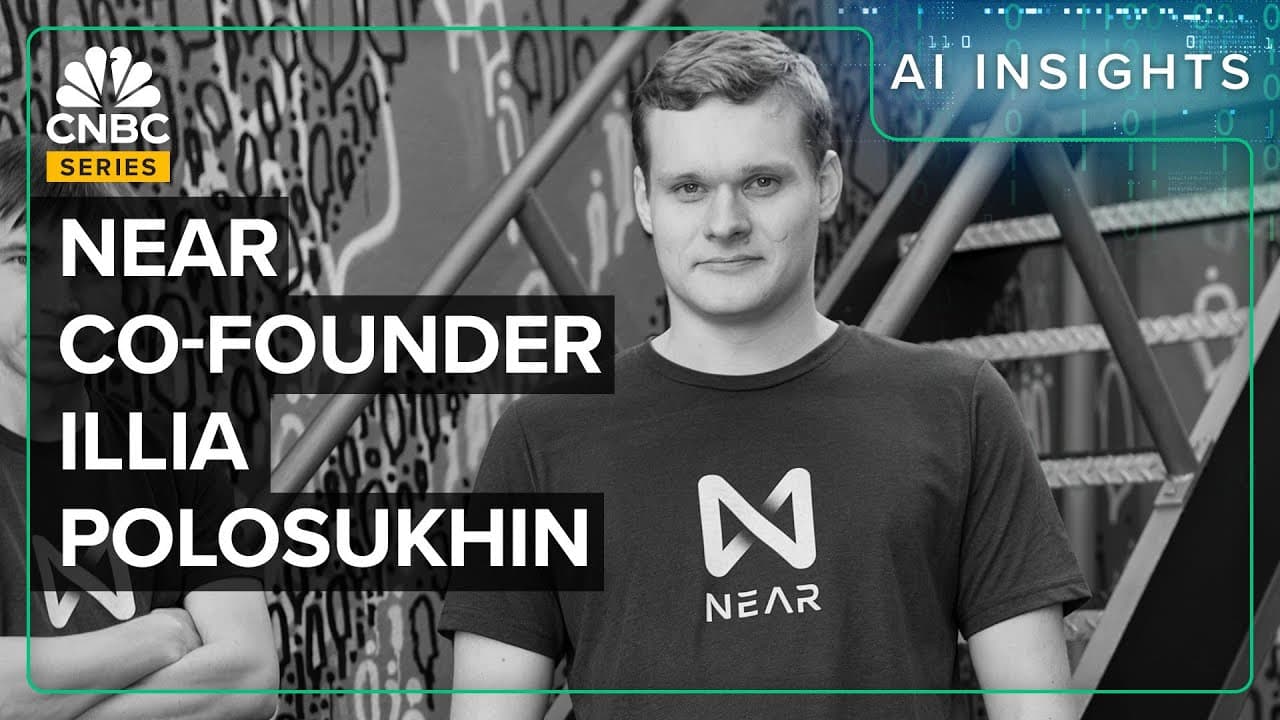
Transformer Architecture
- The Transformer paper, co-authored by Illia Polosukhin and others at Google in 2017, introduced the concept of transformers, which are now widely used in generative AI.
- Transformers are named based on their ability to transform input into the desired output.
- The idea for transformers came from Jakob Uszkoreit, who proposed using an attention mechanism to answer questions by reading the entire document in parallel rather than sequentially.
- Polosukhin quickly built a prototype of the transformer architecture, which became the foundation for further development and refinement.
Generative Pre-trained Transformer (GPT)
- The Generative Pre-trained Transformer (GPT) model builds on the transformer architecture by predicting the next word in a sequence, leading to impressive results in learning about the world and reasoning.
Near Protocol
- Near Protocol was initially created as a solution for paying computer science students around the world who were helping to gather training data for Near AI.
- Google was not directly involved in the creation of Near Protocol, but there have been talks with Google's VC arm from time to time.
Open-Sourcing and Democratization of AI
- Open-sourcing the transformer concept made sense from a research perspective, as it allowed others to build upon and leverage it as a platform.
- OpenAI took a risk by open-sourcing ChatGPT and was rewarded for it, gaining brand recognition and a first-mover advantage.
- Democratization of AI models is necessary, allowing individuals to choose and train models based on their preferences.
Challenges and Concerns
- Google's recent AI product releases have faced challenges due to the statistical nature of these models, which reflect the data they are trained on.
- The concept of "sleeper agents" in AI models raises concerns about potential malicious code injection or bias introduction, emphasizing the importance of open-source training data and processes.
- Profit-driven companies may optimize their AI models for revenue generation, which could lead to a focus on increasing user time on the platform rather than user benefit.
Future of AI
- AI will continue to advance, with improvements in reasoning, training efficiency, and application to personal and corporate data while preserving privacy.
- The Doomsday scenario of AI eliminating humans is unlikely as AI systems have specific goals and are not inherently destructive.
- The more realistic concern is addiction to dopamine-driven entertainment systems, hindering personal growth and intellectual development.
- Addressing confirmation bias is crucial to ensure diverse perspectives and convergence of information.
Browse more from
AI

The music industry’s AI fight | The Vergecast
Are We Headed For AI Utopia Or Disaster? - Nick Bostrom

David Luan: Why Nvidia Will Enter the Model Space & Models Will Enter the Chip Space | E1169
Matt Clifford: The Bull & Bear Case for China's Ability to Challenge the US' AI Capabilities | E1172

AI Demos: Sunny’s Back with Luma Labs, Kling, Claude Sonnet & Getting AI Native | E1976
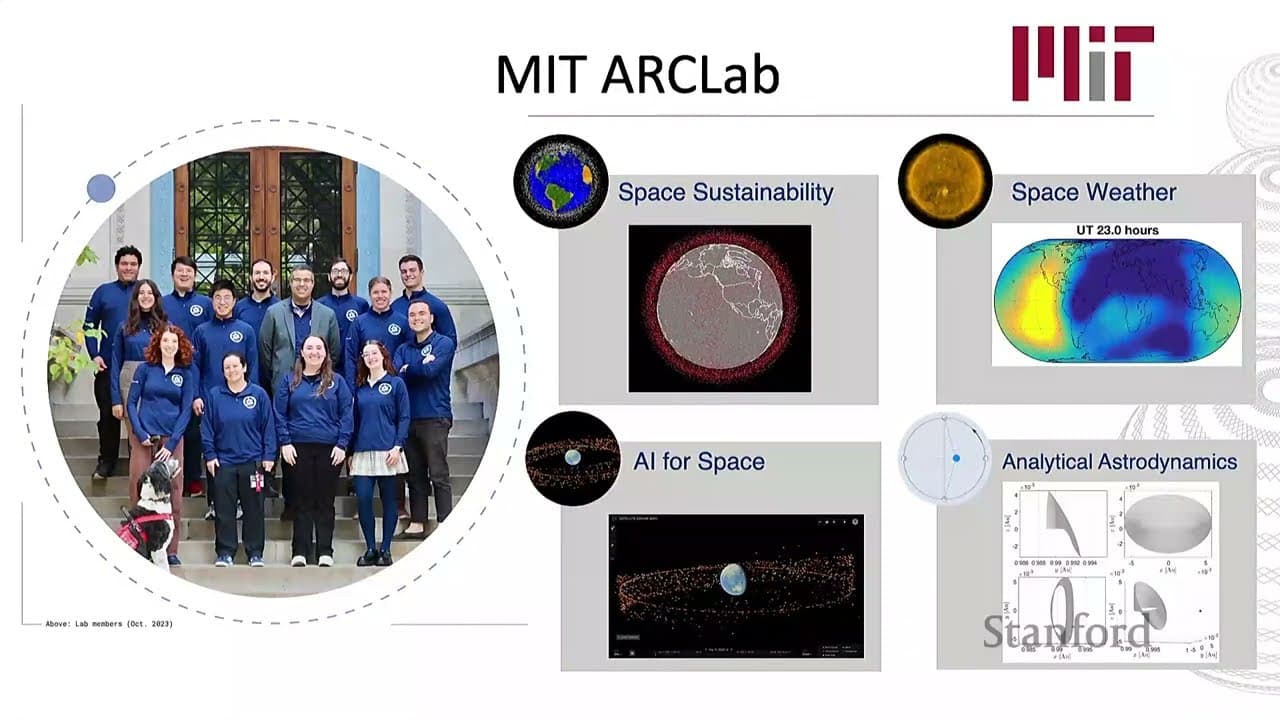
Stanford Seminar - Improving Computational Efficiency for Powered Descent Guidance
Ready to get started?
Save, summarize & chat with your content.
GET STARTED
IT'S FREE
No credit card required · 30 Day Refund on Premium · 24 Hour Support