The War that Reshaped the Middle East Forever
31 May 2024 · almost 2 years ago
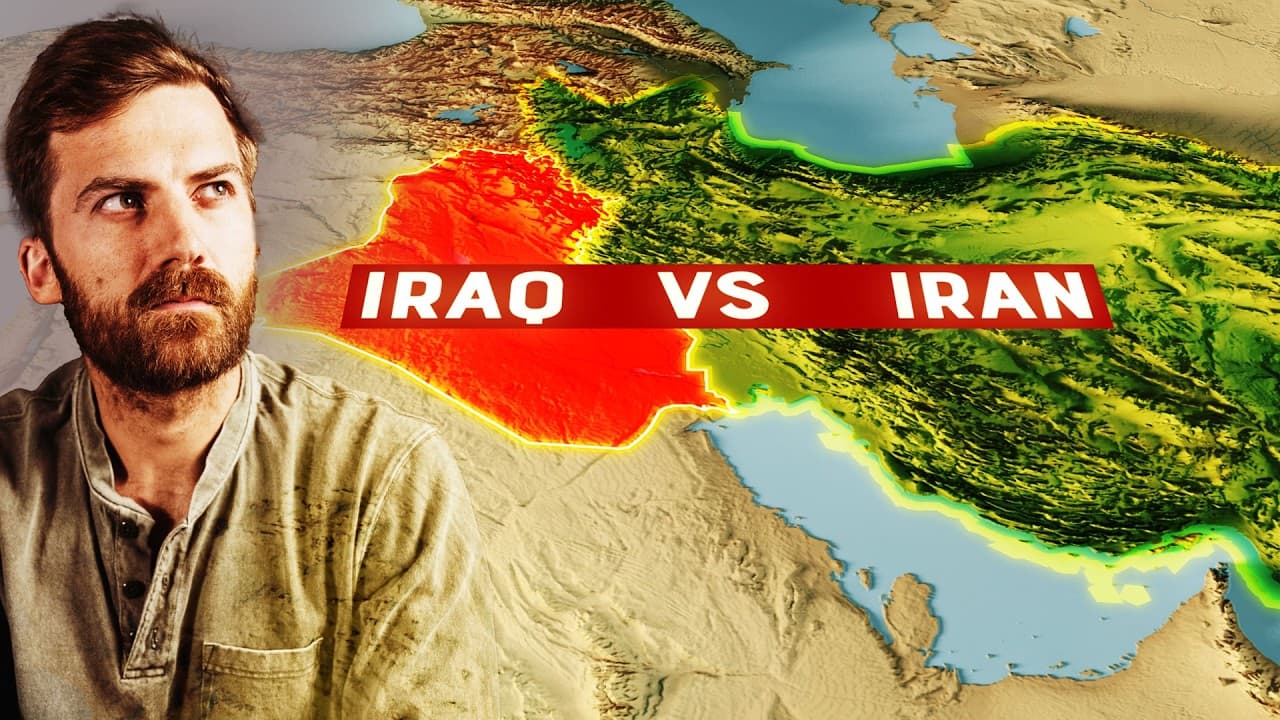
Causes of the Iran-Iraq War
- Iraq, led by Saddam Hussein, invaded Iran in 1980 to regain control of disputed border territories and weaken Iran's revolutionary government.
- Iran, led by Ayatollah Ruhollah Khomeini, resisted the invasion and aimed to export its Islamic Revolution to neighboring countries.
International Involvement in the War
- Regional and global powers became involved in the conflict, with Israel, Saudi Arabia, and Kuwait supporting Iraq, while Syria and Libya backed Iran.
- The United States and the Soviet Union, despite being on opposing sides of the Cold War, both provided support to Iraq.
Escalation of the War
- Iraq used chemical weapons against the Kurds and Iranians, despite international laws prohibiting their use.
- The US supported Iraq by providing technology and money, enabling Iraq to develop chemical and biological weapons.
- The war expanded into an oil war, with Iraq attacking Iranian oil tankers and Iran retaliating, resulting in hundreds of civilian sailor deaths.
- Saddam escalated the war by bombing Iranian cities, leading to massive civilian casualties and retaliatory strikes from Iran.
US Involvement and the Iran-Contra Scandal
- The US engaged in double-dealing by selling missiles to Iran while supporting Iraq, using the profits to fund an anti-communist militia in Nicaragua, which later became known as the Iran-Contra Scandal.
Chemical Attack on Halabja and US Response
- In 1988, Iraq launched a chemical attack on the Kurdish town of Halabja, killing over 5,000 civilians and prompting a broader campaign of genocide against the Kurdish people.
- The US turned a blind eye to Saddam's war crimes, blaming Iran instead, causing fear and suspicion in Iran.
End of the War and its Impact
- The war ended in a ceasefire in 1988, with no significant border changes, but it set the stage for ongoing conflicts in the Middle East.
- The war shaped Iran's relationship with the world, particularly the US, leading to a belief that they could not trust outside powers and emphasizing the importance of nuclear weapons for self-defense.
- Saddam Hussein emerged from the war weakened, facing internal resistance and huge war debts, which led to his invasion of Kuwait and subsequent downfall.
- The US, which had supported Saddam during the Iran-Iraq War, turned against him after the invasion of Kuwait, leading to his defeat and the ongoing instability in the Middle East.
Browse more from
International Relations

The Rise of India as a Global Economic Power | Bloomberg Originals Marathon

Indian Elections: Last Week Tonight with John Oliver (HBO)

An American in China; A Quiet Invasion | 60 Minutes Full Episodes

Why Everyone’s Talking About the Houthis Lately

How Narendra Modi Took Power in India

Veteran faces assassination threat after plan to help North Koreans defect
Ready to get started?
Save, summarize & chat with your content.
GET STARTED
IT'S FREE
No credit card required · 30 Day Refund on Premium · 24 Hour Support