Billy Hult: 27 Years of Compounding Growth Leading to the Market Leader with $1.4BN in Revenue|E1134
29 Mar 2024 · 2 years ago

Billy’s Career Journey (1m3s)
- Billy Hult excelled in subjects he was interested in but struggled with those he found uninteresting.
- His challenging first job as a betting clerk in the South Bronx taught him valuable skills in quick thinking and interpersonal communication.
- Billy emphasizes the importance of focusing on one's strengths and pursuing passions, as this leads to better outcomes.
- While following one's passion is crucial, it's also essential to consider one's abilities and willingness to work hard.
- Billy Hult held traditional jobs as a bond broker and a sell-side bond trader before starting his own company.
- He found these jobs unfulfilling, possibly due to a lack of passion for them.
- Being CEO was a different experience for Billy compared to his previous roles.
The Path to CEO (6m22s)
- A CEO's role involves managing people, considering their egos, opinions, and personalities, and finding effective ways to motivate them.
- As the external face of the company, a CEO represents it at the highest level, sets the strategic direction, and ensures its execution.
- While hiring great people is important, a CEO should empower them to excel in their roles and make a positive impact.
- Engaging with key investors, clients, and industry leaders can help a CEO become a difference maker for their company.
- Effective communication and valuing others are essential for a CEO's success.
- People reveal themselves for a reason, and it's important to believe them and observe their growth over time.
Leadership and Management Insights (12m30s)
- Billy Hult, CEO of Tradeweb, emphasizes direct communication and setting clear expectations for employees.
- He believes in authenticity and understanding, while acknowledging the challenge of balancing decision-making between individual intuition and seeking input from others.
- Hult values consensus-building and input from smart individuals, but ultimately makes the final call when necessary.
- Tradeweb's success came from organic investments and growth rather than mergers and acquisitions, highlighting the importance of embracing change and making transformative deals.
- Hult encourages using ambitious language and pursuing big goals, comparing the process to the awkward feeling of adjusting one's golf swing during a lesson.
Cultivating a Talent Brand (20m15s)
- Billy discusses the importance of employer branding and attracting top talent, particularly in the competitive tech industry.
- Tradeweb aims to enhance its brand recognition and exposure to attract skilled technologists and business professionals.
- The company's history as a private entity has provided advantages, including a low-key profile that allowed it to navigate the complex dynamics of its clientele.
- Tradeweb's success lies in its ability to understand and adapt to the hierarchical structures of its clients, prioritizing their prominence over its own brand visibility.
- As a public company, Tradeweb recognizes the significance of increasing its brand presence while maintaining its focus on delivering value to clients.
Strategy in Positioning and Branding (23m53s)
- Billy Hult, the CEO of a company, discusses the challenges of managing his ego in a competitive business environment.
- Hult emphasizes the importance of balancing confidence and humility in leadership, ensuring that a casual approach does not undermine the perception of results.
- He acknowledges the need to check his ego and maintain self-awareness to avoid complacency and ensure his leadership style does not create a perception of casualness that undermines the company's achievements.
- Hult discusses the concept of pressure and how it can affect individuals, particularly in terms of feeling distracted and unable to relax.
Work-Life Harmony (31m35s)
- Billy Hult feels guilty when he goes home because he is not interested in conversations about everyday topics after being mentally stimulated all day at work.
- He struggles to maintain engagement and feels like he runs out of gas at the end of the day.
- He is aware of the details of his business issues but struggles to remember personal details like the name of his daughter's history teacher.
- He admits that he has not been the father he would have liked to be due to his commitment as CEO of a public company.
- He missed important events like his daughter's basketball games because he prioritized work.
- He questions whether his overwork was necessary and suggests that pressure may have influenced his decisions.
- He acknowledges that he may never know if his sacrifices were worth it and expresses regret for missing out on personal moments.
Parenting with Ambition (34m9s)
- Billy's parenting style has evolved over the years.
- He tries to balance providing love and support with encouraging his children to be ambitious and independent.
- He believes in teaching his children the value of hard work and personal achievement rather than relying on inherited wealth.
Valuing Money, Fame, and Power (37m37s)
- Billy ranks fame as the least important of the three.
- He believes that power is important but should not be dismissed or underestimated.
- He prefers to prosper below the radar and avoid excessive attention.
Wealth’s Influence on Leadership (38m28s)
- Wealth can remove downside fear, allowing leaders to be more courageous.
- Richer leaders may have more wisdom and credibility.
- Steve Schwarzman, a wealthy investor, advised Billy to enjoy his success and not lose sight of his hard work.
Public Company Pros and Cons (41m19s)
- Being a public company CEO can be challenging, with time spent on corporate governance and regulations.
- Public companies have a higher profile and can attract interest and connections.
- The stock price can serve as a daily measure of a company's performance.
Stock Performance and Well-being (42m49s)
- Billy finds it challenging to separate his mental state from his company's performance since there's no ticker for his company.
- He feels down when his company is down and struggles to detach from its performance.
- Billy tries to differentiate between market repricing and subpar business performance when his company's stock is down.
- He acknowledges that while his company has generally performed well, there have been moments of negative reactions to their business.
Betting on People as a Leader (43m54s)
- Billy Hult, the CEO, emphasizes the significance of investing in people as a key strategy for the company's growth.
- He takes calculated risks in building relationships, including hiring decisions and board member selections, with an estimated 50% success rate.
- When bets on individuals don't work out, it's often due to misaligned expectations, chemistry issues, or pushing people beyond their comfort zones.
- Hult stresses the importance of clear communication, direct feedback, and collaborative dynamics in these relationships.
- Replacing individuals who don't fit can be time-consuming, involving removal, finding replacements, and onboarding new hires.
- The time to recognize a bad bet varies, but there are instances where individuals turn things around.
- Hult believes in second chances and pushing people to reach their full potential, seeing qualities in them that they may not recognize themselves.
- He sets high standards and is demanding but fair in his approach.
Young Generation Work Ethic (49m53s)
- Billy believes the younger generation is entitled and prioritizes work-life balance, making it challenging to replicate the demanding work environments of the 80s and 90s.
- He acknowledges the benefits of hustle, grit, and perseverance, observing that exceptional individuals show early signs of exceptionalism.
- Billy explains that he prefers unwavering hustle over unwavering intelligence, emphasizing the importance of offset skills.
- Billy prefers to invest in individuals who have demonstrated consistent success throughout their lives, rather than those who achieve success later in life.
- He believes that those who have experienced challenges and setbacks are more resilient and motivated to succeed.
- Billy is attracted to highly intelligent individuals but is cautious of those who are overly intelligent, as they may lack other important qualities.
Balancing Hiring Strategies (54m28s)
- Billy made hiring mistakes by initially focusing on pedigreed individuals and then switching to inexperienced and overly ambitious candidates.
- He emphasizes the importance of finding a balance between experience and hunger, as well as grit, resilience, and street smarts.
- Billy reflects on the decline of the "old-fashioned" ethos that valued these qualities at Bear Stearns.
Financial Market Challenges (Assigned to Luca) (56m12s)
- Billy compares current economic concerns to past crises such as 9/11, the 2008 financial crisis, and recent shocks to regional banks.
- He acknowledges the fragility of the current financial system and expresses concern about geopolitical tensions and global instability.
- Billy discusses the impact of geopolitical events on Tradeweb's business, particularly in emerging markets like China.
Quick-Fire Questions (59m23s)
- Billy Hult, the CEO of a successful company, now believes that Trump will win the election.
- Despite geopolitical challenges, Hult remains optimistic about his company's future and personal growth.
- Hult recommends Tom Wolfe's "Bonfire of the Vanities" as the best book on financial markets.
- Hult advises new CEOs to set boundaries and preserve time to maintain a healthy work-life balance.
- Hult envisions his company as a high-powered global marketplace in ten years, emphasizing the importance of customer focus.
- Continuous growth and innovation are crucial for maintaining market leadership, warns Hult.
- Hult is determined to prevent complacency and office politics from hindering idea generation and company culture.
Browse more from
Leadership

2023 Ernest C. Arbuckle Award dinner honoring Kenneth A. Hersh, MBA ’89
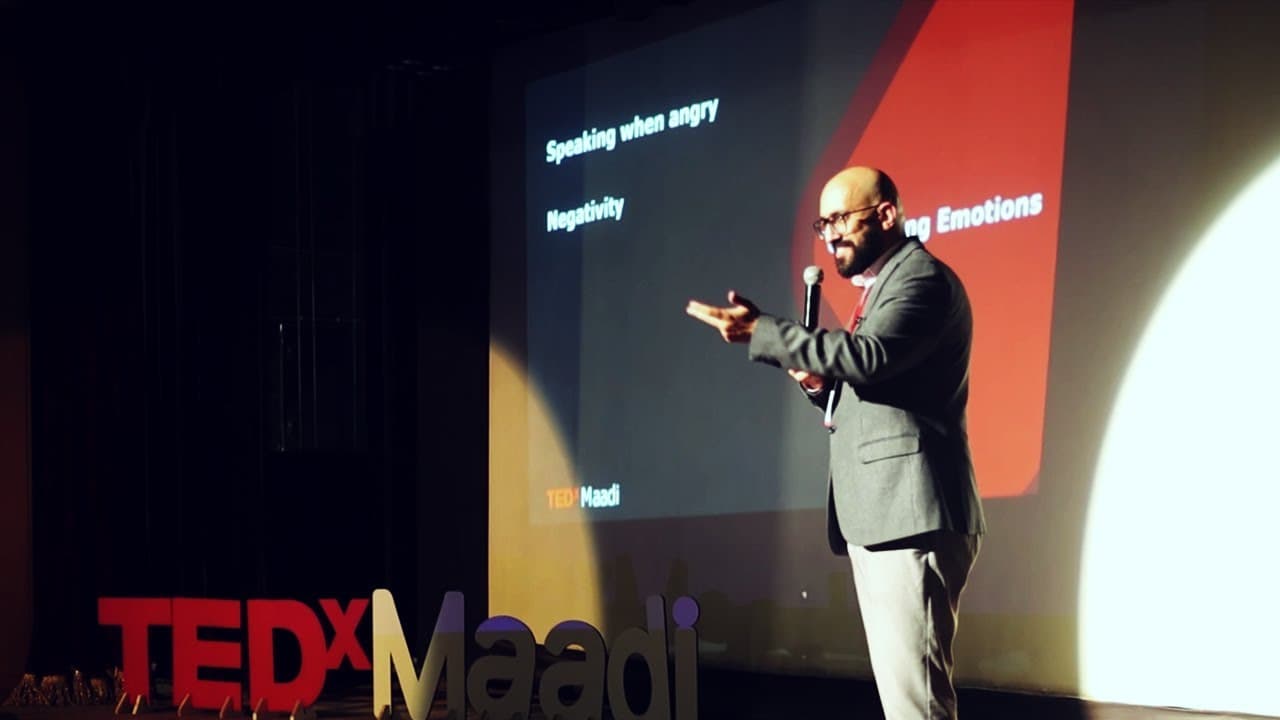
The Power of Emotional Intelligence | Ahmed Shoala | TEDxMaadi
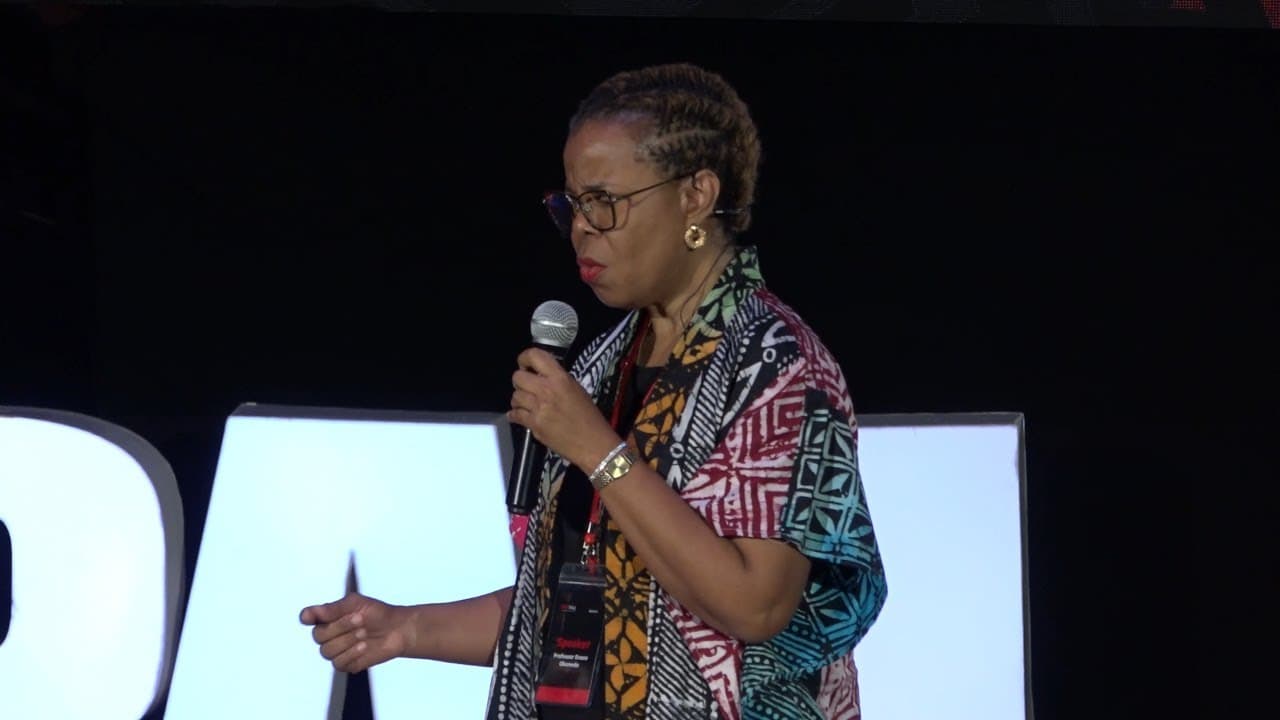
The Power of Ethical Leadership in Today's Complex World | Enase Okonedo | TEDxPAU
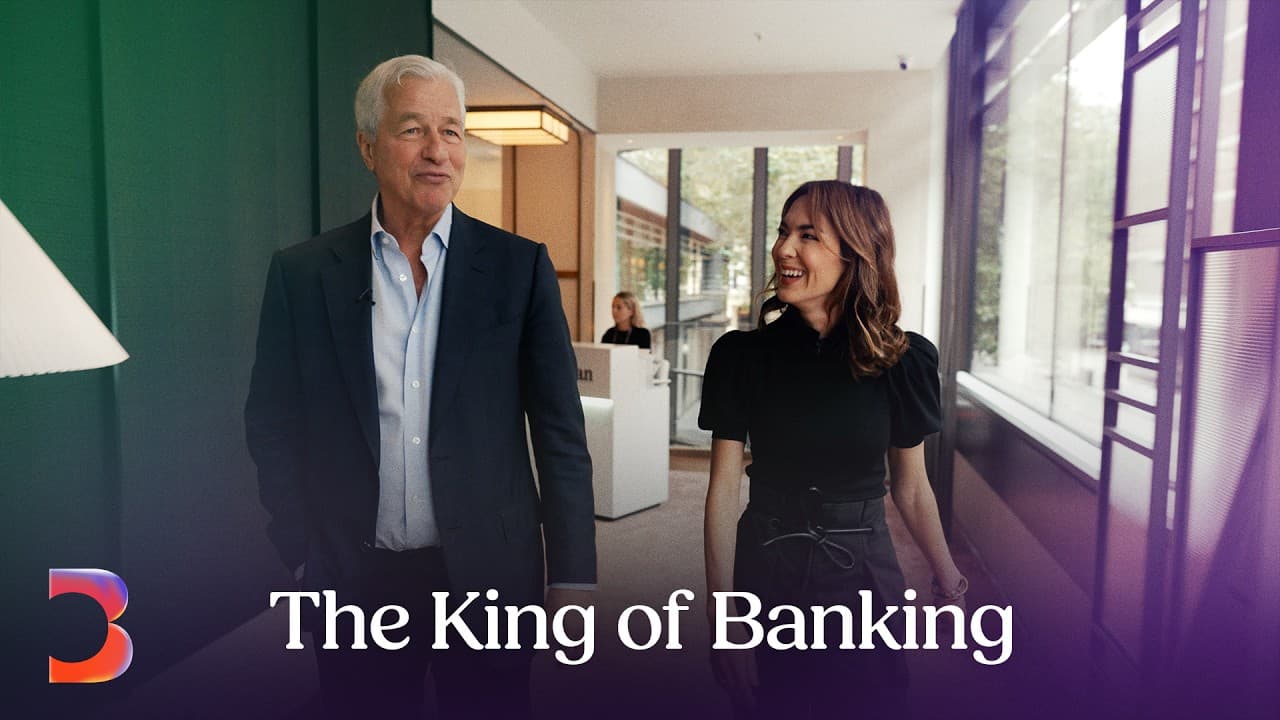
When JPMorgan CEO Jamie Dimon Speaks, the World Listens | The Circuit
“How to Become a Friction Fixer,” with Professor Bob Sutton and Professor Huggy Rao

Jensen Huang, Founder and CEO of NVIDIA
Ready to get started?
Save, summarize & chat with your content.
GET STARTED
IT'S FREE
No credit card required · 30 Day Refund on Premium · 24 Hour Support