- OpenAI's business model relies on unfettered access to copyrighted material, but it is not crucial for society to allow it for free.
- The New York Times and other publishers believe they should be compensated for their content that OpenAI uses.
- There may be a need for revenue sharing deals or a royalty scheme in order to utilize large language models without infringing on copyright.
- Google's profitability would not be significantly impacted by paying more for content or less, so the distribution of resources and money is important.
- The Times took legal action because they did not find negotiations with OpenAI productive, and they want to challenge assumptions early on.
- The media industry is struggling to find profitable models, and if there is no partnership or royalty agreement with AI, it could further contract.
- The paywall model may not work if AI can access information regardless, posing a challenge for media companies like the Times.
YouTube video summary
AI's content use battles: What you need to know
Artificial intelligence
28 Dec 20231 min summary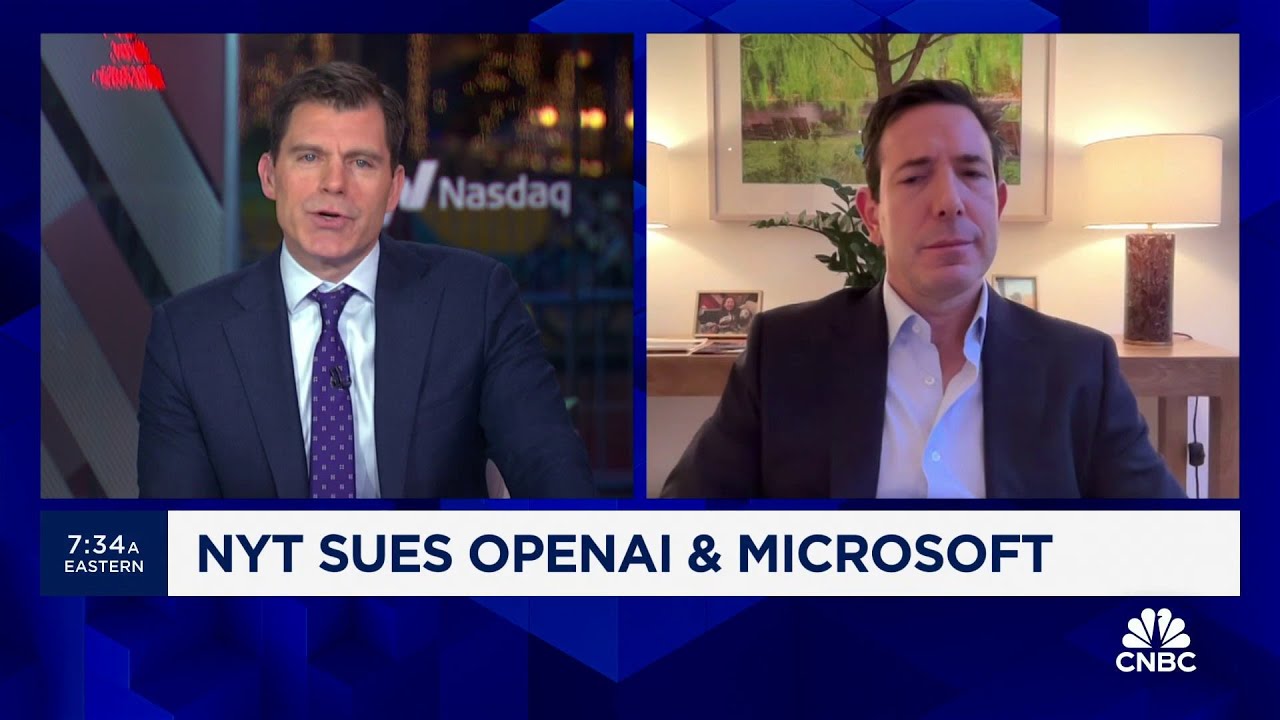
Free · no signup
Get the key points of a YouTube video or podcast in 30 seconds
Paste a YouTube, Spotify, or Apple Podcasts link and jump straight to what matters, with timestamps, instead of watching the whole thing.
 YouTube Videos
- Spotify Podcasts
- Apple Podcasts
Trusted by 700,000+ researchers, students, and professionals
Free · no signup
Do this for your own videos and podcasts
You just got the key points without sitting through the whole thing. Paste a YouTube, Spotify, or Apple Podcasts link and get the same summary in under 30 seconds.
- YouTube Videos
- Spotify Podcasts
- Apple Podcasts
Trusted by 700,000+ researchers, students, and professionals
More from Artificial intelligence
Browse all Artificial intelligence →




Ready to get started?
Save, summarize and chat with your content.
GET STARTEDIT'S FREE
No credit card required · 30 Day Refund on Premium · 24 Hour Support
