Intro 0s
- Tom Hopper's breakfast on the day of the conversation consisted of coffee and exogenous ketones, and he was fasting at the time 3s.
- A normal day of eating for Tom Hopper varies depending on his current role or goals, but he generally eats when he's hungry and avoids processed foods 49s.
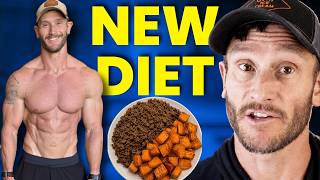
- Tom Hopper's diet typically consists of animal-based foods, including a lot of steak and ground beef, as well as avocado, and occasionally incorporates fruits, sweet potatoes, and root vegetables 1m20s.
- He occasionally consumes minimally processed foods, such as whey protein, but generally prefers to eat whole, unprocessed foods 1m6s.
- At the time of the conversation, Tom Hopper was in a maintenance phase and was eating to maintain his current shape, rather than trying to gain or lose weight 47s.
- Tom Hopper's diet at the time of the conversation was high in fats, with a focus on embracing the fats found in meat, as well as incorporating fruits like avocado for additional fat intake 1m40s.
Free Sample Flavors Pack of LMNT 1m53s
- LMNT offers a new sparkling electrolyte drink in a can, containing 1,000 mg sodium, 200 mg potassium, 60 mg magnesium, and zero calories, making it suitable for diets, fasting, and workouts 1m57s.
- The sparkling electrolyte drink is a nice alternative to the normal stick packs, providing a similar experience to having a soda but with added electrolytes 2m16s.
- Having electrolytes, especially when cutting calories, helps reduce appetite and provides a feeling of satisfaction 2m24s.
- A free variety pack of LMNT stick packs, including flavors such as grapefruit salt, watermelon salt, citrus salt, mango chili, and chocolate salt, can be obtained with any purchase using the link provided 2m33s.
- The link to get the free sample variety pack is LMNT.com/Thomas, and it can be accessed to receive the offer with purchase 2m50s.
5 Foods Tom Would Bring to a Desert Island 2m59s
- Eggs are considered a top choice due to being "Nature's multivitamin" and "Nature's protein bar," offering versatility and a range of essential nutrients 3m4s.
- Avocados are chosen for their nutritional value, with a specific mention of avocado butter 3m12s.
- Grass-fed beef, particularly ground beef, is selected as a staple food for its high-quality protein content 3m20s.
- Exogenous ketones, such as MCT, are preferred for providing sustained brain energy and high-quality fats 3m32s.
- These food choices suggest a plan for long-term survival on the desert island, focusing on nutrient-dense foods that provide energy and support overall health 3m42s.
Tom's Go-To Carbs 3m45s
- Sweet potatoes are a go-to carbohydrate source, providing sustained energy without causing high blood sugar spikes 3m52s.
- Fruits such as berries (including blueberries, raspberries, and blackberries), apples, kiwi (specifically golden kiwi), and mango are considered great options 4m6s.
- Eating the whole fruit, including the peel, is recommended to get the fiber content 4m17s.
- Trial and error is used to determine which fruits and vegetables work best 4m23s.
- Beetroot is a great post-workout carbohydrate source, helping to replenish glycogen stores 4m29s.
Foods that Affect Tom Negatively 4m37s
- Foods that cause sabotage in performance and cognitive function include certain carbohydrates that can cause brain fog and sluggishness when consumed excessively, such as oatmeal, which can be beneficial in moderation but detrimental in large quantities 4m37s.
- Consuming oatmeal every now and again can be beneficial, but a buildup of it can lead to feelings of sluggishness and brain fog, highlighting the importance of being in tune with one's body to determine what foods are beneficial and what should be staples 5m21s.
- Higher protein and higher quality fats from meat are staples that function well year-round, allowing for optimal performance and cognitive function 6m11s.
- Higher carbohydrate intake can aid in gaining size, but it comes with a trade-off of not feeling as good mentally, whereas a ketogenic state makes it harder to gain size but allows for better mental clarity 6m35s.
- The balance between carbohydrate intake and mental performance is a trade-off, with higher carbohydrates making it easier to gain size but potentially causing brain fog and sluggishness 6m41s.
Carbs for Muscle Growth 7m0s
- Carbohydrates are not a prerequisite for building muscle, but they can make it easier by providing additional fuel and stimulating appetite, which can lead to increased muscle fullness and internal leverage 7m3s.
- Eating carbohydrates can have an inflammatory effect, which may vary from person to person, and some individuals may experience more inflammation in their joints when consuming higher amounts of carbs 8m2s.
- A ketogenic state can result in less inflammation, and some people may find it easier to maintain muscle mass while eating fewer meals per day when following a high-protein, high-fat diet 8m21s.
- When consuming a more carb-based diet, it's common to feel less satiated and require more frequent meals, whereas a high-fat diet can lead to increased feelings of fullness and reduced cravings for food 8m40s.
- Consuming carbohydrates post-workout can have some benefits, but it may come at the cost of reduced cognitive function, and it's essential to regulate carb intake based on the day's activities and demands 9m30s.
- The "rest and digest" effect, mentioned by Dr. Mike Isel, suggests that consuming carbs can lead to a state of relaxation and reduced alertness, which may not be ideal for cognitively demanding tasks 10m5s.
- A high-protein, high-fat diet makes one feel sharper compared to a high-carb diet, which can cause a massive glycemic load and lead to feelings of sluggishness after consumption 10m58s.
- Consuming high-carb meals, such as a big Christmas dinner, can cause a massive dump of carbohydrates, resulting in feelings of lethargy, especially for those not used to it year-round 11m3s.
- Making a lifestyle change to eat healthier can be addictive, as it allows one to feel good and maintain that feeling, which is a big motivator for sustaining a healthy diet 10m32s.
- It's scary to jump out of the norm and cut out foods that have been considered a primary fuel source, but seeing others thrive on alternative diets can be a great motivator 11m59s.
- Some people may struggle to sustain a high-fat diet due to inadequate fat or ketone levels, leading to sugar cravings and feelings of sluggishness 12m41s.
- Having a platform or protocol to follow can be beneficial for those looking to make a lifestyle change and sustain a healthy diet 12m28s.
- It's essential to remember that everyone's nutritional needs and responses to different diets are unique, and what works for some may not work for others 12m19s.
How Cutting Carbs Affected Tom 12m54s
- Transitioning to a low-carb or ketogenic diet can take time, and it's common to experience the "keto flu" or a period of adjustment, but some people may adapt more easily than others 13m19s.
- Initially, reducing carbohydrate intake can lead to a period of feeling weak, especially during high-intensity workouts, but the body can adapt over time 14m49s.
- It's essential to keep fat intake high enough to benefit from a low-carb diet, as not consuming enough fat can lead to brain fog and other negative effects 14m5s.
- Once adapted to a low-carb diet, some people may experience increased mental clarity, physical energy, and improved workout performance, including increased strength and endurance 14m28s.
- The body has a clear distinction between being optimized for fat adaptation and being more glycolytic, and there's no in-between state, so it's essential to choose one or the other 16m6s.
- Eating a lot of carbohydrates can optimize the body for utilizing those carbs, while a low-carb diet can optimize the body for utilizing fat 16m27s.
- Some people may find that they can lift more weight and achieve personal bests on a low-carb diet, even without consuming any carbs 15m12s.
- Metabolic purgatory is a state where the body is not optimized for either fat adaptation or glycolysis, and it's essential to avoid this state by choosing a clear diet approach 15m49s.
- A low-carb state is described as a "danger zone" where individuals consume around 100 grams of carbs per day, which is enough to provide some anerobic or glycolytic energy but not enough to truly thrive in that state 16m49s.
- To achieve optimal results, it's recommended to commit to either a low-carb or moderate-carb diet for a finite period, such as 90 days, to allow the body to adapt and find enzymatic efficiency 17m18s.
- When going low-carb, the body takes time to upregulate other processes and become more efficient at utilizing fats, but this also means that the ability to utilize carbohydrates effectively is lowered 17m56s.
- Conversely, when consuming a higher carbohydrate diet, the body becomes less efficient at utilizing fats as effectively 18m2s.
- The goal is to find a pattern that works for the individual, as everything comes at a cost, and what works for one period may not work forever 17m34s.
- Training goals, such as fat loss, should be taken into consideration when deciding on a diet, and a recent study (unspecified) may provide insight into this 18m15s.
High Carb vs Low Carb for Fat Loss vs Muscle Growth 18m18s
- A study found that higher carb intake was more beneficial for muscle growth, while lower carb intake was more effective for fat loss, with fat oxidation rates being higher on a low-carb diet, resulting in a meaningful amount of fat loss 18m18s.
- The study's findings were independent of calorie deficit, and the results were statistically significant and meaningful 18m37s.
- For individuals who are overweight, the primary focus should be on losing weight in a sustainable manner, but for those aiming to achieve a very low body fat percentage, such as 7%, the differences between high-carb and low-carb diets become more relevant 19m15s.
- Bodybuilders often use a low-carb or ketogenic diet to cut down to very low body fat percentages, with an estimated 60-70% of bodybuilders using this approach 21m11s.
- Many bodybuilders switch between low-carb and high-carb diets, using low-carb for cutting and high-carb for bulking 21m17s.
- The bodybuilding community is willing to experiment and push the boundaries of what works, but it's essential to consider the role of performance-enhancing drugs and individual variability in their approaches 20m50s.
- Flex Lewis, an eight-time or six-time bodybuilding champion, has followed and been interested in the speaker's work, particularly during his cutting phases 20m13s.
Remember What Your Goal Is 21m27s
- It's essential to remember what your goal is, whether it's feeling good, losing body fat, or being able to function at a high level, as knowing this helps guide your approach to diet and fitness 21m39s.
- Finding a default setting where you feel content and happy with how you look is crucial, and this should be your goal, rather than constantly striving for something more 22m0s.
- Having a goal of being able to function well, such as having enough energy to spend time with your kids, is important, and this can be achieved by finding a balance in your diet and training 22m7s.
- Being in a calorie deficit for too long can lead to negative effects, such as feeling sluggish and having poor performance, and it's essential to find a balance that works for you 22m15s.
- A ketogenic state, with high fat intake, can be beneficial for maintaining a lean physique and feeling sharper, even when not in a calorie deficit 22m40s.
- Eating a high-fat and high-protein diet can help maintain a weight you're happy with year-round, and it's essential to find an approach that works for you and not get too attached to any one particular method 23m16s.
- It's crucial to be flexible and adapt your approach as needed, rather than sticking to one specific method or diet 23m21s.
Why People Abandon Keto 23m29s
- People often become attached to a specific dietary strategy, such as keto, after it helps them through a difficult time or health crisis, and they can become "tribal" about it 23m29s.
- The body adapts to changes in diet, including the levels of reactive oxygen species, which can lead to oxidative stress, and it tries to counteract this by increasing resilience, but only to a certain degree 23m42s.
- Long-term keto diets can lead to a tipping point, where people start to feel unwell after 6-8 months or a year, and they may abandon the diet and reintroduce carbohydrates, which can make them feel better 24m9s.
- After reintroducing carbohydrates, some people may view their previous low-carb phase as a mistake and return to a high-carb diet, but this can be a mistake, as different diets may be suitable for different seasons or periods of life 24m26s.
- It's essential to give oneself "grace" and not abandon a particular diet entirely, as people respond differently to diets epigenetically, and just because a diet stops working doesn't mean it's bad or won't work again in the future 24m35s.
- Rotating diets or strategies can be beneficial, as seen in the Primal diet, which involves rotating foods and strategies to achieve optimal health 24m54s.
Primal Eating 24m56s
- In a primal setting, people would find and binge on food sources like fruit and honey seasonally, but these wouldn't be daily staples 24m56s.
- Meat would be available year-round, and people would have to survive on it for long periods, with seasonal access to fruits and other foods 25m22s.
- The idea is to adopt a diet that mimics what would be available in a primal setting, with flexibility to adjust based on what's available seasonally 25m20s.
- Paul Saladino, a proponent of the carnivore diet, has switched to a more animal-based diet that includes fruit, honey, and raw dairy, but it's unclear how long he'll stick to this approach 26m8s.
- The key is to experiment and find what feels right for the body, rather than following a strict diet or set of rules 26m46s.
- People have lost the ability to determine what they need to eat at a given time due to the availability of hyperpalatable foods and the hijacking of their taste buds 27m21s.
- Trusting one's gut and being in tune with the body can help determine what foods are needed, but this requires a heightened level of awareness 27m37s.
- In a primal setting, people would have more self-control and ability to determine what and how much to eat, as they wouldn't have access to food sources all the time 28m10s.
- The constant availability of food has led to a loss of self-control and the ability to determine what's needed, with people often relying on dopamine hits rather than listening to their bodies 28m41s.
Tom Used to Eat 12 Donuts a Day 28m48s
- Highly processed and hyper-palatable foods can lead to overconsumption and contribute to obesity, as they are often cheap and accessible 28m48s.
- The addictive nature of these foods can cause individuals to binge on them, as seen in the example of eating 12 crispy creams in a day 29m20s.
- Despite being active and playing sports like rugby and football, a high consumption of unhealthy foods can still result in a higher body fat percentage, in this case, around 14-15% 29m43s.
- Having a high activity level can mask the negative effects of a poor diet, but it's essential to consider how one feels and their recovery, not just their physical appearance 30m21s.
- It's possible to achieve a low body fat percentage while consuming unhealthy foods, but this may not necessarily translate to overall health and well-being 30m11s.
- A balanced diet and consideration of overall health, rather than just physical appearance, are crucial for maintaining a healthy lifestyle 30m26s.
Calories vs Nutrient Density 30m30s
- Calories have a place and matter, but nutrient density is also important, and it's often a matter of trial and error to find the right balance 30m36s.
- Chasing nutrients over calories can lead to better results and improved overall well-being, including lower cortisol levels and increased satiety 30m52s.
- A nutrient-dense meal, such as a few berries, an avocado, and two grass-fed beef burgers, may not be enough in terms of calories, but it can still provide good energy, mental clarity, and weight maintenance 31m10s.
- Tracking macros can be stressful and may be more beneficial for people who are overweight and need to understand their calorie burn and deficit 31m50s.
- For long-term benefits and weight maintenance, focusing on feeling satiated and chasing nutrients can be more effective than constantly tracking macros 32m15s.
Tom's Workout Split 32m28s
- A typical weekly split consists of three times a week of metcon (metabolic conditioning) workouts, such as interval weight training, with a focus on short and sharp sessions, especially when training at home 33m7s.
- When training at home, workouts often include German volume training style, with 10 sets of exercises like front squats, super sets with rows, and rope exercises 33m20s.
- During shoots, the training split is more traditional, with a bodybuilder-style split, due to the crazy hours and need to avoid burnout from high-intensity metcons 33m48s.
- When on a shoot, training is typically six days a week, with one rest day, and includes a mix of intense and lighter sessions, with a focus on maintaining a physique 34m25s.
- Active rest days or light hypertrophy work are used to get blood pumping in the muscles, especially during night shoots, which can be draining 34m33s.
- Blood Flow Restriction Training is found to be beneficial on these days, as it's easy on the joints and central nervous system 35m3s.
- Nutrition is crucial during night shoots, with a focus on eating properly and maintaining fasting to manage cortisol levels 35m15s.
- Fasting is utilized to help with lack of sleep, as it's found to be beneficial in promoting wakefulness, especially when in a fat-adapted state 35m28s.
- Training is often adjusted based on how the body feels, with the help of a WHOOP device to track recovery and other metrics 35m35s.
- Fasting during night shoots can help improve wakefulness and reduce the feeling of sluggishness, making it easier to get through the night and perform tasks that require sharpness, such as acting 36m2s.
- When working night shifts for a short period, it's beneficial to eat during daylight hours and fast during dark hours to make it easier to transition back to a normal schedule 36m26s.
- Fasting can help alleviate some of the stress associated with night shoots, but it doesn't eliminate the fact that night shoots are extremely stressful and can disrupt sleep patterns 36m46s.
- Adapting to sleeping during the day and waking up at unusual hours can be challenging, and it may take a long time to adjust to this new sleep schedule 36m56s.
- Getting enough sleep is crucial, but when sleep is limited, fasting can help improve mental clarity and reduce the feeling of sluggishness, making it easier to function on lower sleep 37m10s.
- Maintaining mental sharpness is vital for tasks that require focus and concentration, such as acting, and fasting can help achieve this 37m25s.
Where to Find More of Tom 37m30s
- Tom Hopper can be found on Instagram under the handle "Tom Hopper hops" where he shares various aspects of his life, including his kids, training, and eating habits 37m45s.
- He is active on other social media platforms as well, although the specific platforms are not mentioned 37m48s.
- Tom Hopper has been involved in the production of The Umbrella Academy, with season four currently available 38m2s.