
Multilingualism and Code-Switching
- The brain of a multilingual person can function like a group chat, where different languages are utilized depending on the context, such as making jokes, sharing news, or discussing serious topics 0s.
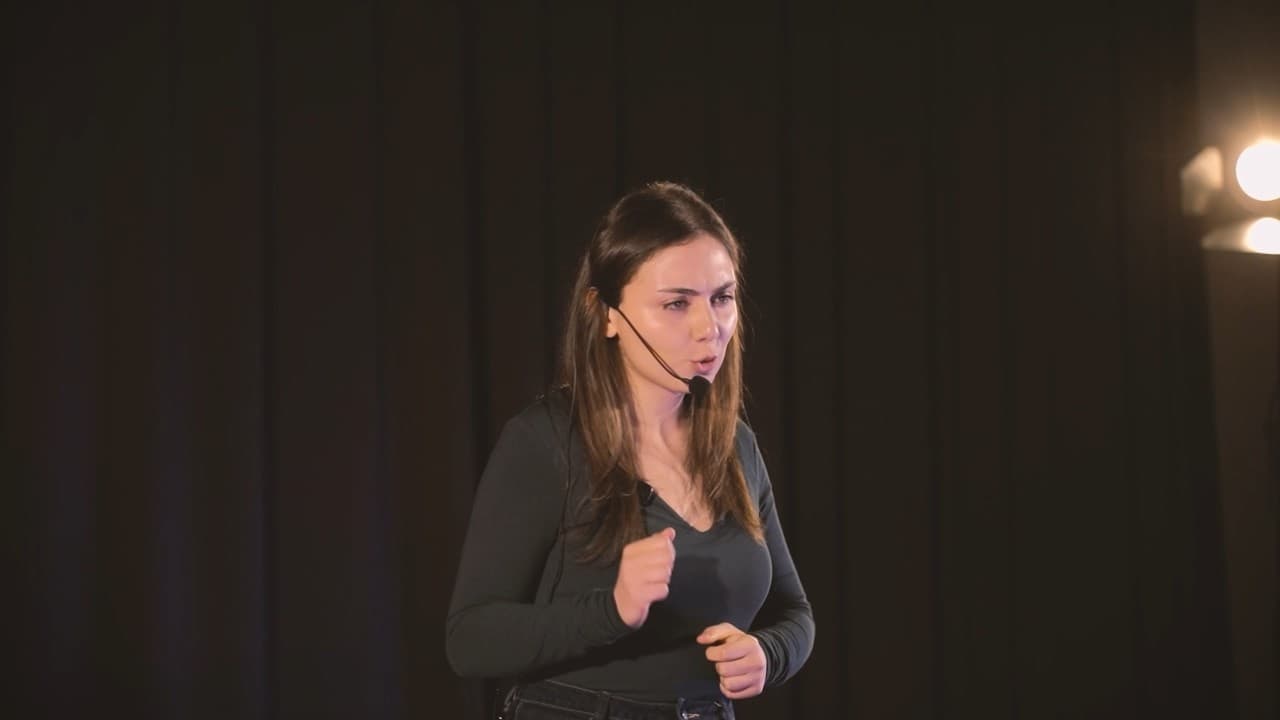
- Nelly Ghukasyan, who is from Armenia, speaks three languages—Armenian, Russian, and English—which belong to different branches of the Indo-European language family 15s.
- Armenian is the native language spoken at home, while Russian was a constant presence in daily life, including cartoons and everyday speech 35s.
- Armenian speakers often incorporate Russian words by adapting them to Armenian pronunciation, such as the word for tomato, which is "pomidor" in both languages 48s.
- English became a part of daily life starting in kindergarten, serving as the primary language for internet usage and education 1m5s.
- After moving to Lithuania two years ago to attend an international university, English became the dominant language for daily communication and education 1m25s.
- The process of switching between languages within a single day or even a single sentence is known in linguistics as code-switching, which is a natural process indicating that languages are interconnected 1m45s.
First Language Attrition
- Upon returning home after living abroad, simple, everyday Armenian words like "garden" or "fishing" began to disappear from vocabulary, and the language became slower and simpler 2m6s.
- People who have not experienced language attrition often perceive the use of foreign words as an attempt to sound fancy or modern, rather than a genuine struggle with vocabulary 2m25s.
- A specific moment of realization occurred when the brain provided the English word "sunset" instead of the Armenian word "my ramut" while looking out a kitchen window 2m45s.
- The experience of forgetting parts of a native language felt like losing a significant internal connection, causing feelings of disappointment and fear 3m5s.
- Despite having a mother who is a teacher of Armenian language and literature and having taken extra classes to master the language, the native tongue still began to fade 3m20s.
- The phenomenon of a native language gradually weakening when a foreign language becomes dominant in daily life is known in linguistics as first language attrition 3m45s.
Recovering and Maintaining Languages
- The brain does not erase a neglected language, but it makes the vocabulary more difficult to access 0s.
- Neglecting a language can lead to a loss of fluency, which highlights the importance of actively maintaining one's native tongue 15s.
- Reading books in one's native language can help recover forgotten vocabulary and reconnect with personal identity 35s.
- The novel Retreat Without Song depicts an immigrant in Paris who, during a moment of grief, finds himself unable to complete the Lord's Prayer in his native Armenian, illustrating the potential consequences of linguistic neglect 1m5s.
Language and Identity
- The Sapir-Whorf hypothesis suggests that the language a person speaks influences their thought processes and shapes their worldview 2m6s.
- Multilingual individuals often find that they express different aspects of their personality or emotions more effectively in different languages 2m18s.
- Languages are comparable to relationships in that they require consistent attention and effort to remain vibrant and intimate 2m55s.
- Maintaining multiple languages requires intentionality, such as dedicating specific spaces or relationships to each language 3m15s.
- Friendships can serve as a vital anchor for a language, as regular conversation prevents the language from weakening over time 3m45s.
- Languages remain more alive and retain their warmth when used for personal expression, laughter, and arguments rather than solely for functional tasks like translation or work 4m15s.
The Value of Dialects
- Beyond speaking three languages, a distinct Armenian dialect was acquired through childhood summers spent in a small town where parents originated. 0s
- Dialects are characterized as intimate languages that preserve the humor, uniqueness, and local memory of their respective communities. 15s
- Certain descriptive words exist exclusively within dialects, such as specific terms for individuals who lack physical flexibility or those who disturb others. 28s
- Young people moving to cities or formal environments often feel ashamed of their dialects, leading them to hide the way their elders speak. 45s
- The loss of dialects results in the loss of culture and the specific ways in which communities perceive the world. 55s
Overcoming Linguistic Shame
- Personal experience with being mocked for using a dialect at age 12 illustrates how shame can cause individuals to become silent. 1m3s
- Silence is identified as the primary step toward the fading of a language. 1m25s
- An individual's attitude toward their native language is the dominant factor in determining language attrition. 1m30s
- It is suggested that people should listen to those speaking with accents or dialects rather than laughing at them. 1m37s
Preserving Linguistic Heritage
- Distance from one's home environment highlights that language is a core component of personal identity, serving as a key to understanding broader culture, such as food, music, and traditions. 1m45s
- Multilingualism is viewed not only as a practical tool for education, networking, and travel but as a personal responsibility to maintain. 2m6s
- Languages should be actively practiced through reading, listening, and speaking to prevent them from falling into silence. 2m20s
- Languages are not separate, isolated boxes in the brain but are interconnected threads that function like muscles, collectively forming an individual's identity. 2m32s