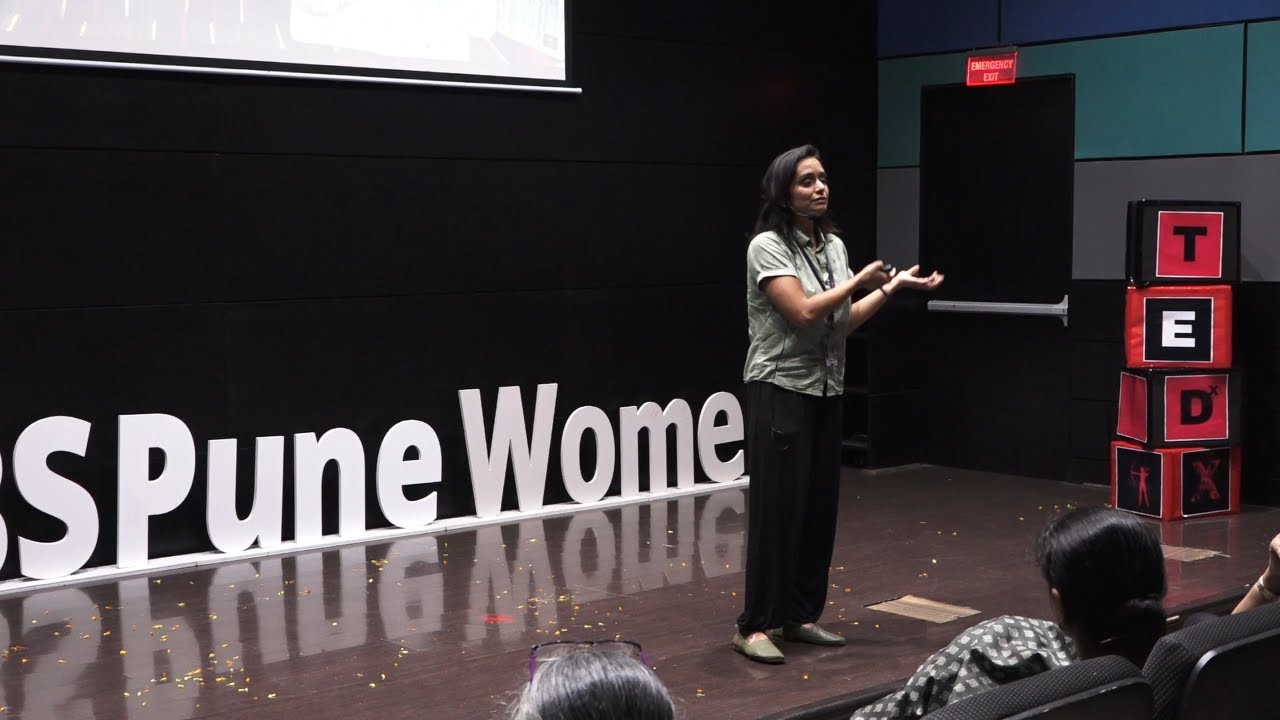


The Speaker's Journey
- The speaker grew up in Silvassa, a small town where shopping trips meant traveling to Mumbai. 57s
- The speaker later moved to Pune, a city with many shopping options, and then to Chicago, where they continued to shop despite studying sustainability. 1m45s
The Inspiration for Reka
- Upon moving back to India, the speaker traveled and became interested in the work of artisans, particularly the "barab balar" or 12 Craftsmen, after witnessing their declining presence. 5m36s
- The goal was to address the problem of plastic waste, but traditional recycling methods were not appealing. 6m53s
The Connection Between Craft and Plastic Waste
- A connection was made between craft and plastic waste, leading to the discovery of weaving plastic waste. 7m14s
- This initiative was named Reka, inspired by the historical significance of Chara in rural life and the freedom struggle. 7m42s
The Importance of Sustainable Practices
- The journey involved questioning consumer habits, focusing on the necessity and sustainability of purchases. 8m15s
- The process of making products was scrutinized for sustainability, including the materials and methods used. 9m38s
Rara's Sustainable Practices
- Rara's processes were designed to be sustainable, using organic and natural materials, and minimalistic resources. 10m11s
- The questions of why, how, and what were central to the brand's development, considering the lifecycle and recyclability of materials. 11m16s
Weaving Plastic Waste
- Weaving was used as a technique to create products from plastic waste, utilizing handlooms and traditional methods. 12m12s
- The persistent issue of plastic waste was a concern since childhood, leading to efforts to reduce and manage its use. 12m28s
Upcycling and Waste-Free Living
- Knowledge about living a waste-free life is important, and this can be applied to the products we make. 13m13s
- Various materials like cassette tapes, plastic waste, Flex banners, waste foam, and bubble wrap are used in upcycling to create products. 13m20s
The Decline of Artisans
- The role of artisans in the economy has diminished over time, but historically, they were crucial, especially in a barter system where goods were exchanged without currency. 14m3s
- The market has replaced traditional artisan products, leading to a decline in the village economy and the disappearance of artisan work. 14m59s
The Importance of Fair Trade
- It is important to know the origins of products, as many are made in sweatshops or by unknown artisans, and fair prices often do not reach the creators. 16m9s
- Rea works in rural areas to train women, who are essential to family and economic growth, to bring them back into the mainstream economy. 16m40s
The Role of Creativity in Design
- Creativity in design, whether using organic, recycled, or upcycled materials, is crucial for making appealing products that people want to buy and pay a fair price for. 17m52s
- Developing systems for a company involves more than just computer work; it includes design and creativity to make products desirable. 18m34s
Understanding the Story Behind Products
- It is important to understand the story behind the products we buy, including clothing, shoes, bags, and food, to appreciate their origins and the effort involved in their creation. 19m4s
- The discussion covers the reasons, methods, and people involved in making products in rural areas, highlighting the impact of the Industrial Revolution on rural economies and subsequent migration to cities. 19m34s
Distress Migration and Sustainable Development
- Migration to cities, often due to lack of employment in villages, is termed as distress migration, which is not by choice but necessity. 20m0s
- Providing employment in villages can decentralize development, reduce stress on urban resources, and lead to cleaner environments. 20m22s
- Sustainable development is emphasized as a holistic approach driven by the consumer economy. 20m40s
Training Programs and Tours
- Various training programs are provided to women in rural areas, teaching them weaving and other crafts to earn a livelihood. 20m57s
- Tours to the Craft Center near Pune are organized for students, families, and corporate employees to understand and experience the craft-making process. 21m35s