

Introduction to the Vocabulary Gap
- The topic of discussion is the vocabulary gap, also known as the literacy gap, which refers to the difference in the number of words heard by students from high literacy households and those from low literacy households by the age of 4, with a gap of 30 million words 10s.
- This research, which originated in the 1990s, focused on socioeconomic groups, but it can also be applied to students who are second language English learners and may hear fewer English words at home 4m30s.
- Vocabulary is a key predictor of success in education, affecting not only reading and writing but also mathematics, chemistry, physics, and art, making it a crucial factor in determining a student's overall success 6m40s.
- Reading well is often associated with being a successful student, but it is actually the other way around: reading a lot makes a student successful, and this is evident in the fact that students who read more tend to perform better in various subjects 10m10s.
The Long-Term Impact of the Vocabulary Gap
- The 30 million word gap by age 4 can balloon into a massive chasm by the time students reach high school, making it essential to address this issue early on to prevent a significant gap in literacy 12m20s.
- It is never too late to make an adjustment and improve literacy, as the phrase "the best time to plant a tree is 20 years ago, the second best time is today" suggests, emphasizing the importance of taking action to address the literacy gap 14m30s.
Case Study: The Importance of Vocabulary in Learning
- A student, referred to as Bob, struggled to understand the difference between summary and analysis, highlighting the need for clear explanations and guidance to help students develop their critical thinking skills and improve their literacy 16m40s.
- The story of Bob is used to illustrate the impact of vocabulary on learning, where understanding the difference between the words "analysis" and "summary" significantly improved his performance in various subjects like science, mathematics, physics, English, and arts 10s.
- A single word can make a massive difference in a student's performance, and not knowing one vocabulary word can stop them from learning, as seen in the example of Bob learning the word "analysis" 42s.
Vocabulary and Emotional Expression
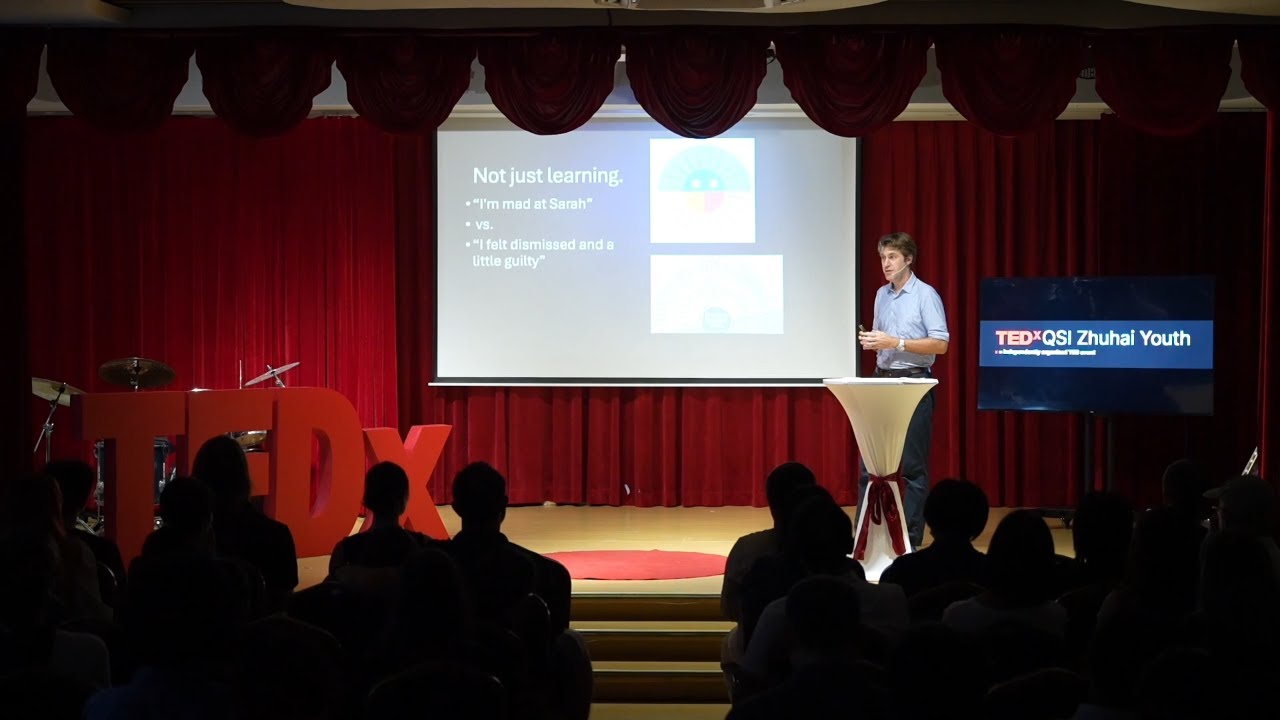
- The color wheel is used to describe emotions, and students with limited vocabulary may use simple words like "mad" to express their feelings, while those with a bigger vocabulary can use more descriptive words like "dismissed" or "guilty" 2m6s.
- Having a larger vocabulary enables students to express their emotions more accurately, leading to emotional granularity, which is the ability to name and regulate feelings, and this can be achieved by learning and organizing words in a way that creates connections between them 4m30s.
The Snowball Effect of Vocabulary Learning
- The process of learning and organizing words can create a snowball effect, where understanding one word leads to learning more words and concepts, such as Bob learning "analyze" and then moving on to related words like "analytical" and "reanalyze" 6m40s.
- This snowball effect is also known as the Matthew effect, where the acquisition of new words and concepts builds upon previous knowledge, allowing students to become more successful in their learning 8m50s.
- Organizing words in a way that creates connections between them is essential, and students should imagine their words as being in a wardrobe, where they can be easily accessed and used to create new combinations and understandings 10m10s.
The Matthew Effect and Vocabulary Growth
- The Matthew effect, also known as the "rich get richer" phenomenon, suggests that the more knowledge a person has, the more they can learn, and this cycle can expand rapidly, but it can also work in favor of those who start with less knowledge and make an effort to learn 10s.
The Sapir-Whorf Effect and Vocabulary's Influence on Thought
- The Sapir-Whorf effect is a scientific theory that proposes that words shape thoughts, and having a vocabulary to describe something enables a person to think about it, as seen in the example of Bob being unable to analyze something if he doesn't understand the word "analysis" 2m6s.
- Having a better vocabulary enables a person to think more structured thoughts, as illustrated by the example of a student who knows words like "assumption," "evidence," "implication," and "nuance," and can create more coherent thoughts, such as "The author assumes X, the evidence suggests Y, and that implies Z" 4m30s.
- Expanding vocabulary is not just about knowing more words, but also about learning to think better, and it is an essential skill for tasks like essay writing, which requires making coherent thoughts as much as writing itself 6m20s.
Overcoming Social Barriers to Vocabulary Expansion
- Some people may object to expanding their vocabulary, fearing they will sound like a "nerd" or be made fun of, but research suggests that using precise words can make a person appear confident and approachable 8m40s.
- Expanding vocabulary has several benefits, including improving learning, emotional happiness, and thinking abilities, and it is not uncool to use complex words, as nerds are now considered hip and using fancy words can make a person fit in with modern society 12m10s.
Practical Strategies for Vocabulary Improvement
- To start improving vocabulary, it is suggested to pick one word per week, learn it, use it, and teach it to someone else, such as the word "apathy," which means a complete lack of interest or concern about something 16m30s.
- The idea is to share a new word with others, such as colleagues, co-workers, students, friends, mother, or wife, in order to start a positive trend, and this can be done in just 10 minutes 10s.
- By teaching someone a new word, there is a potential for them to pass it forward, creating a snowball effect that can help bridge the 30 million gap in vocabulary 42s.
- The goal is to close the vocabulary gap by exposing people to more words and encouraging them to use more words, which can have a significant impact 2m6s.