

Diagnosis and Early Challenges
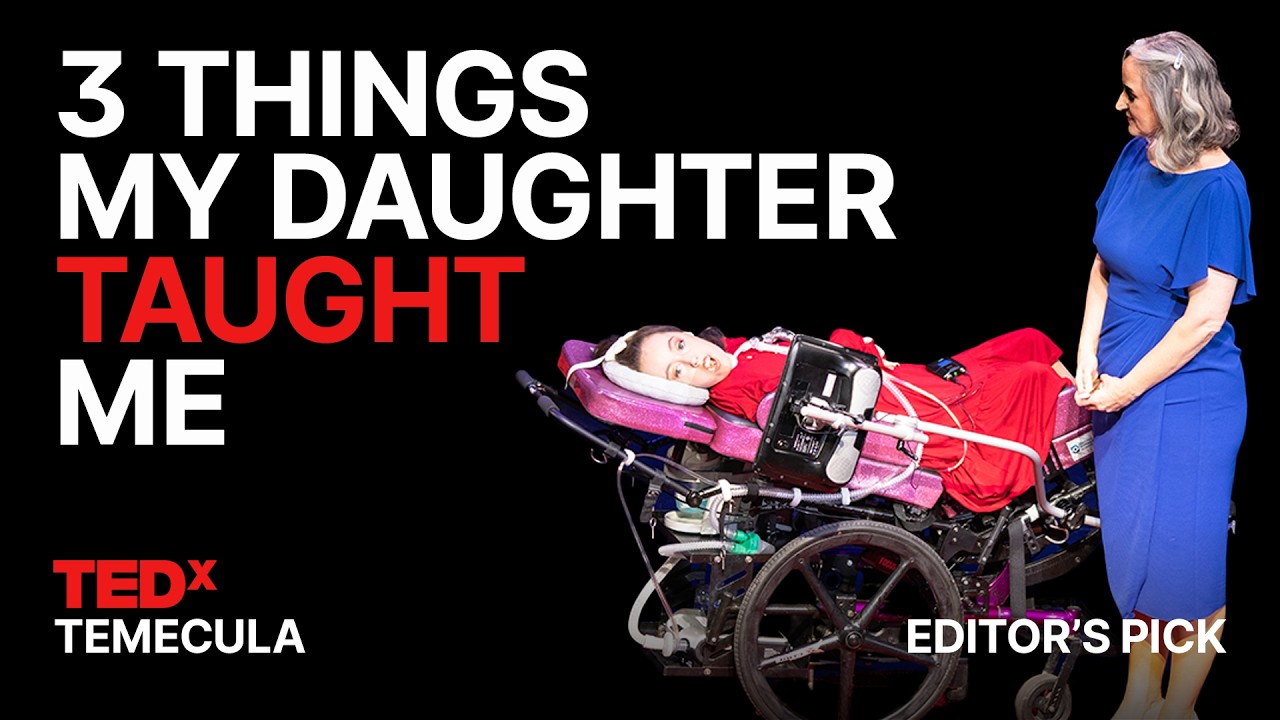
- Kennedy was diagnosed at nine months old with spinal muscular atrophy (SMA), a progressive terminal neuromuscular condition often described as the childhood version of ALS 25s.
- The diagnosis indicated that Kennedy would lose the ability to breathe, swallow, cough, and move, requiring 24-hour care and multiple daily respiratory treatments while her cognitive abilities remained intact 35s.
- Within months of the diagnosis, Kennedy required a feeding tube, breathing support, and experienced her first hospitalization for pneumonia 50s.
- To protect Kennedy from life-threatening illnesses, the family lived in a state of "perpetual lockdown," avoiding public gatherings and strictly limiting visitors to their home 1m5s.
- The family experienced significant strain, with the parents balancing work, caregiving for their son, and frequent, weeks-long hospital stays for Kennedy 5s.
Shifting Perspectives on Living with SMA
- Despite medical advice against it due to the risks associated with her unstable airway and susceptibility to pneumonia, the family decided to take a Disney cruise 1m45s.
- During the cruise, Kennedy’s positive reaction to meeting princesses and experiencing the trip led to a shift in perspective regarding the balance between safety and living a full life 2m15s.
- Following the cruise, the family began traveling extensively and allowed Kennedy to participate in various activities, including in-person school, musical theater, show choir, color guard, and visits to Disneyland 2m45s.
Kennedy's Active Lifestyle and Social Engagement
- Kennedy, now 15 years old, identifies as a singer, dancer, actress, and social butterfly who remains active despite the muscle weakness caused by SMA 3m20s.
- Kennedy’s experiences include traveling to the Bahamas, Jamaica, and Hawaii, as well as camping and participating in various social activities 3m35s.
- Kennedy maintains a busy social life, which includes making friends in public, scheduling regular FaceTime calls with people across the country, and visiting the mall 4m0s.
Caregiver Transformation and Personal Growth
- Individuals are encouraged to pursue what they love regardless of their current life circumstances, as everyone is meant to enjoy their life 0s.
- The primary caregiver for Kennedy experienced exhaustion and a heavy mental load, leading to the belief that personal dreams and aspirations had to be put on hold 15s.
- Over time, the caregiver felt confined and defined by the caregiving role, while simultaneously feeling guilty because other parents had lost children to the same disease 42s.
- A turning point occurred when the caregiver overheard Kennedy asking her nurse daily if she had laughed that day 1m5s.
- Realizing that Kennedy was living a full life despite physical limitations, the caregiver began to pursue personal goals, including returning to work as a constitutional lawyer, earning a black belt in karate at age 46, traveling independently, and launching a coaching business 1m15s.
Framework for Overcoming Circumstances
- Many people allow their circumstances to define them or delay their goals until a later time, but there are no guarantees in life, as evidenced by instances where children with SMA have outlived their parents 1m55s.
- A three-step approach to rising above circumstances consists of allowing, deciding, and daring 2m20s.
- The first step, "allow," involves accepting uncontrollable circumstances without resistance, resentment, or romanticizing what should have been 2m30s.
- Kennedy demonstrates this by never wishing to remove her SMA when asked what she would do with a magic wand, instead focusing on human connection 2m45s.
Choosing Meaning and Taking Risks
- The second step, "decide," involves choosing the meaning of a circumstance, as meaning is not inherent but determined by the individual 3m15s.
- Kennedy acknowledges her physical limitations—such as needing a ventilator, assistance with movement, and help with basic tasks—but chooses not to let SMA dictate her capabilities 3m30s.
- Kennedy finds joy and purpose in activities like performing on stage, where she embraces her unique appearance and encourages others to be comfortable with who they are 4m5s.
- The third step, "dare," involves taking risks that align with an expansive life rather than the risk of inaction 4m30s.
- Kennedy has not been hospitalized with an illness in nearly 12 years 4m40s.
Aligning Actions with Personal Passions
- Focusing on hardship and struggle often leads to the expectation and manifestation of those same difficulties 0s.
- Taking actions aligned with personal passions can make life easier and more enjoyable, despite the inherent risks involved 5s.
- Elements of life that do not align with one's true path tend to fade away when one pursues what brings them to life 12s.
Practical Application of Courage and Risk
- During a respiratory virus outbreak in junior high, a doctor advised Kennedy to stay home from school due to health risks 20s.
- Kennedy refused to stay home because she wanted to attend her sixth-period art class to see a boy she liked 30s.
- The doctor and Kennedy reached a compromise that allowed her to continue attending school in person, and she did not contract the virus 40s.
- Taking risks is sometimes necessary to achieve what one desires 55s.