

Introduction to Menopause and its Impact
- The topic of discussion is menopause clinics, which is related to middle-aged and elderly women, and it's essential to talk about it now because the audience, who are young boys and girls, may have mothers who are facing menopausal problems like hot flashes, irritability, anxiety, depression, sleeplessness, and urogenital problems 40s.
- Multiple problems are associated with menopause, and the vision is to address these symptoms to help women in middle age have healthy aging with the help of menopause clinics, which can give women a symptom-free menopausal year along with a quality of life 1m4s.
- The stages of a woman's life start from childhood, puberty, pregnancy, and motherhood, but there is less talk, research, and management about middle-aged and elderly women, which is because of the female life expectancy 1m40s.
- Before 1947, the average life expectancy of an Indian woman was just 35 years, but today it has surpassed 72 years, and it is more than that for women, and now women want a quality of life, they want to live their life and enjoy it 2m17s.
- All women are going to get menopause in their life, some get it early, some get it late, and previously menopause was known as the age when women become irritable, anxious, depressed, sleepless, and forgetful, but the goal is to change this scenario and make middle-aged and elderly women happy 2m46s.
- Previously in India, aging was believed to be a natural process, but now the goal is to make middle-aged and elderly women happy and healthy 3m17s.
Defining and Understanding Menopause
- Menopause is a retrospective diagnosis made after 12 months of amenorrhea, which is the absence of menstruation, and it marks the beginning of a new era in a woman's life 3m27s.
- The new definition of menopause is not just about the cessation of menstruation, but also about the various symptoms and health issues that women experience during this phase 3m52s.
- In India, the median age of menopause is 47 years, which is lower than the global average of 52 years 4m20s.
- Indian women experience menopause two years earlier than the global average, and this can have significant implications for their health and well-being 4m17s.
Health Implications of Menopause in Indian Women
- It was previously believed that non-vasomotor symptoms, such as sleeplessness, anxiety, and hot flashes, were not dominant in Indian women, but recent studies have shown that these symptoms are indeed prevalent 4m28s.
- Indian women are at a higher risk of developing non-communicable diseases, such as diabetes, thyroid disorders, cardiovascular diseases, and osteoporosis, during menopause 4m49s.
- The incidence of breast cancer is also higher in Indian women, especially at an early age, compared to global women 5m0s.
- Indian women are living in a country with dietary excess on one side and dietary deficits on the other, which can exacerbate health issues during menopause 5m10s.
- The incidence of premature ovarian failure is also higher in Indian women, which can lead to infertility and other health problems 5m30s.
The Wide-Ranging Effects of Menopause
- Menopause can have a significant impact on various aspects of a woman's life, including her work, social life, and relationships, with 45% struggling at work, 33% feeling that their social life has taken a backseat, and 51% feeling that sex is off the menu 5m55s.
- Osteopenia and osteoporosis are also common health issues during menopause, with 81% of women experiencing these conditions 6m4s.
- There is a two-fold increase in the risk of cardiovascular diseases during menopause, and estrogen plays a crucial role in protecting against these diseases 6m13s.
- Estrogen is like an umbrella that protects against cardiovascular diseases, and once this umbrella is removed, women are at a higher risk of developing these diseases 6m18s.
- A woman is prone to developing heart disease during menopause due to the fall in estrogen levels, which leads to disturbances in the hypothalamus and pituitary glands, and an increase in other hormones 6m26s.
The Role of Estrogen in Menopause
- The main culprit for menopausal symptoms is estrogen deficiency, where estrogen receptors are not activated, and estrogen receptors are situated from top to toe in the brain, central nervous system, skin, cardiovascular system, breast, liver, gastrointestinal tract, urogenital tract, and bones 6m52s.
- There are two types of estrogen receptors: alpha receptors and beta receptors, and estrogen is usually believed to be responsible for only reproductive functions 7m27s.
- However, estrogen receptor deficiency can give many symptoms, and it is not that there is no need for estrogen after reproductive functions are over 7m45s.
Causes and Types of Menopause
- Menopause occurs due to ovarian aging, which happens because of overutilization, and menopause occurs in women at the age of 40, 45, and 50, whereas men do not suffer from andropause until the age of 60 and 70 8m14s.
- The ovaries do not produce reproductive functions that can last up to 70 or 80 years, and the reason for this is that ovarian aging is two times faster than that of men 8m29s.
- There are different types of menopause, including natural menopause, premature menopause, pathological menopause, surgical menopause due to ectomy with bilateral salpingo-oophorectomy, medical menopause seen with chemotherapy agents, and menopause due to irradiation 8m56s.
Symptoms and Progression of Menopause
- Radiation therapy in certain cancers can induce menopause, but menopause typically starts before the actual onset, around the age of 40, with vasomotor symptoms in the form of hot flashes, a feeling of intense heat followed by sweating and chills, then sleep disorders, mood changes, irritability, depression, and anxiety 9m32s.
- Menopause is followed by urogenital atrophy, vaginal itching, vaginal dryness, and difficulty in intercourse, then later changes in the form of osteoporosis, a cerebrovascular accident, atherosclerotic changes, and later on, disorientation and senility 9m50s.
Midlife Fertility Concerns
- Middle life fertility issues are a significant concern because people get married after the age of 35 and have issues at the age of 45, so premature infertility and own infertility are important subjects 10m20s.
- Late marriages and a long period of primary infertility are common, and people start thinking about the deferred second child after the first child, whom they have between 25 to 30 years of age, and the second child after the age of 35 10m44s.
- These issues are related to middle life infertility, and most patients in the infertility clinic are in the menopause transition and post-menopausal age group 11m4s.
Sexuality and Menopause
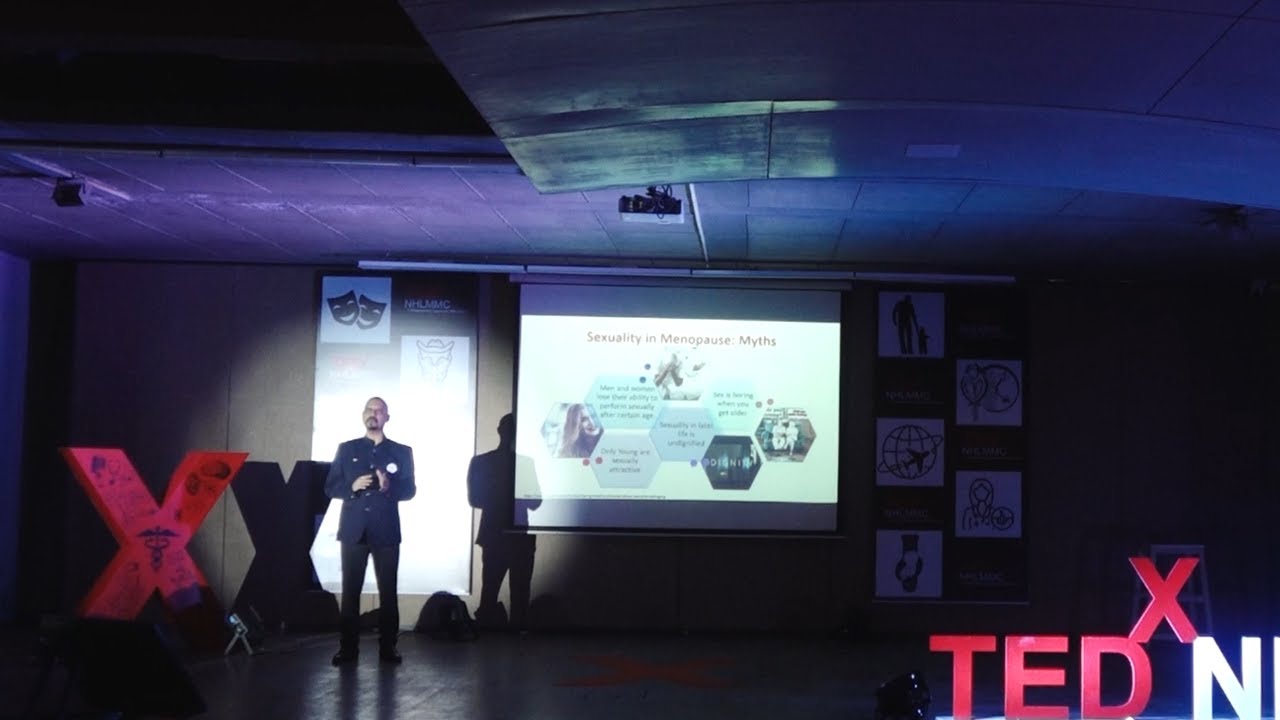
- Sexuality at the time of menopause is also very important because the previous myths were that men and women lose their ability to perform sexually after a certain age, and only the young are sexually attractive 11m26s.
- However, people at the age of 60 and 70 are having sex lives, and a healthy sex life is an important parameter of healthy aging in couples, but to some extent, menopause can affect your sex life indirectly by reducing vascularity to the vaginal lightos 12m1s.
- Menopause affects various aspects of a woman's life, including urethral blood flow, insomnia, irritability, altered skin sensitivity, and hot flashes, which also impact her sex life due to comorbidities like high blood pressure, hypertension, and diabetes 12m19s.
The Need for Dedicated Menopause Clinics
- At the age of 45 and 50, menopause affects sex life, and women want to look, feel, and perform their best, which is why laser, cosmetics, and degenerative clinics are available for them 12m44s.
- Dedicated menopause clinics are the future for menopausal ladies, as they cater to their needs and provide specialized care 13m2s.
Current Challenges in Menopause Management
- The current scenario is concerning, especially for the rural population, where there is a lack of healthcare facilities, illiteracy, ignorance, poverty, and busy working hours 13m9s.
- In contrast, the urban population has more information, but it is not knowledge, leading to confusion, and people are often unsure of their options 13m25s.
- Women are often confused about menopause and its management, which is why discussing it with a menopause specialist is essential 13m45s.
The Future of Menopause Management
- Managing menopause is crucial, as over 20 crore women in India are living in the 40-plus age group and want to remain young, useful to society, and do their best 13m51s.
- In the future, menopause will be a significant public health issue, and there is a need for more menopause specialists, as even senior gynecologists do not want to practice menopause care 14m9s.
Expectations from Menopause Specialists
- A study on what women in India expect from menopause specialists found that they want respect from the specialist, as gynecologists often have busy working hours and dismiss menopausal issues 14m33s.
- Women experiencing menopause symptoms want knowledge from menopause specialists, a supportive attitude, and empathy, as well as communication and support throughout the menopause journey 15m7s.
- All gynecologists know about menopause, but they do not have the time to dedicate to menopause patients, which is why very few gynecologists practice as menopause specialists 15m29s.
The Role and Benefits of Menopause Clinics
- A menopause clinic will serve as a bridge between patients with distinguishing menopausal symptoms and menopause specialists, providing a crucial role in offering specialized and individualized well-being 15m59s.
- Dedicated menopause clinics will provide quality of life and regular check-ups, offering healthy aging options and preventive health care options 16m17s.
- Menopause clinics will not only treat physical symptoms but also mental, social, and spiritual symptoms, aiming to provide healthy aging and improve quality of life 16m41s.
- The treatment goal at a menopause clinic is to provide healthy aging, improve quality of life, and prevent post-menopausal diseases like cancer and non-communicable diseases 16m48s.
- The desired outcome for women, especially elderly and middle-aged women, is to have an interest in life, complete daily work with satisfaction, maintain good interpersonal relationships, and have a general feeling of wellness 17m8s.
Managing Menopause: Diagnosis and Assessment
- Managing a menopause case starts with a complete history and routine general examination, as done with all patients 17m44s.
- Patients should undergo a baseline investigation, looking for comorbidities and risk assessment, and assessing the severity of menopausal symptoms, followed by case management 17m50s.
- A general examination with a detailed history should be conducted, including height, weight, blood pressure, abdomen, speculum, and vaginal examination, as well as breast examination 18m11s.
- Physical fitness should be assessed, and all ladies over 40 should be offered baseline investigations, including a complete blood count, urine examination, fasting blood glucose level, and lipid profile 18m36s.
- Serum TSH and pap smear should be done, and transvaginal ultrasound should be offered to all patients over 40 as a baseline investigation 18m52s.
- Mammography should be done for all patients in the age group of 40 plus, and any comorbidities like hypertension, diabetes, and psychiatric treatment should be looked for 19m7s.
- The patient's control over these comorbidities should be assessed, and if not adequately controlled, they should be referred back to the specialist 19m25s.
- Risk assessment models, both online and offline, should be used to assess the patient's risk factors, including obesity, visceral obesity, and cardiovascular risk 19m40s.
- Obesity should be assessed using BMI charts, and visceral obesity should be looked for using waist circumference 19m46s.
- Cardiovascular risk assessment can be done using the DASH risk assessment module, and osteoporosis risk assessment can be done using the FRAX module 19m57s.
- Muscle health risk assessment can be done using the FIQ questionnaire, and all these modules are available online 20m7s.
- Online models are available for breast cancer risk assessment using the Gail model and fracture risk assessment using the FRAX module 20m30s.
Assessment Tools and Treatment Strategies
- The menopause rating scale has 11 symptoms that are plotted in a paper, which is given to the patient, and includes four physical symptoms, four psychological symptoms, and three symptoms related to sexual dysfunction 20m42s.
- The patient will plot their score, with zero indicating no symptoms, one indicating mild symptoms, two indicating moderate symptoms, three indicating severe symptoms, and four indicating very severe symptoms 21m6s.
- According to the score, it can be determined whether the patient is symptomatic and needs treatment, and AI can also be helpful in this process 21m19s.
- There are certain software programs available that can be downloaded and used by staff to assess symptoms and provide treatment 21m34s.
- Prescription and lifestyle management are also important, and symptomatic treatment is never a readymade solution, but rather a tailored solution based on the patient's symptoms 21m55s.
- It is also important to look for any comorbidities and high-risk factors in the patient, and therapy and lifestyle management are always important in menopause and beyond 22m11s.
- Preventive healthcare, including diet and nutrition, exercise, yoga, and meditation, is also important, and medication should only be given to those who need it 22m20s.
Promoting Awareness and Support for Menopause
- Dedicated menopause clinics can play a crucial role in providing preventive healthcare and treatment, and public awareness programs can also be helpful in this regard 22m44s.
- Starting a program under the guidance of a mother can also be helpful, and college-going students can understand and guide their mothers to go to menopause clinics 22m54s.
- Couples, especially those in midlife, can also benefit from understanding menopause and seeking treatment at dedicated menopause clinics 23m9s.
Celebrating Women in Midlife and Beyond
- Our mothers are our role models in midlife and later years 23m19s.
- The Indian Menopause Society's goal is to promote a positive image of women at different ages, with the slogan "40 fancy, 50 strong, 60 sexy, 70 independent, 80 naughty, 90 and healthy, and not out at 100" 23m32s.
- The current goal of the Indian Menopause Society is to reach 100, with the slogan "100, thank you very much" 23m42s.