
Interview premise
- The interview is titled “The Me I Used to Be,” focusing on reflecting on past moments and how they shaped personal beliefs and self‑perception 0s
Childhood environment and trauma
- Carnie Wilson grew up in Bel Air, California, as the daughter of Brian Wilson of The Beach Boys, in a household constantly filled with music and frequent visits from famous musicians such as Elton John, Paul McCartney, and Sean Cassidy 0s
- Despite the musical environment, she experienced unsafe and traumatic moments, lacking stable family routines like shared meals and open discussions about daily life 0s
- As a child, her sense of safety was linked to food (donuts, cake), and she felt the need to be protective, especially compared to her quiet, shy sister 0s
- Carnie struggled with being overweight, endured severe teasing and bullying on the school bus, which led to daily emotional breakdowns, feelings of sadness, shame, and inadequacy 0s
Formation of Wilson Phillips and music outlet
- Performing arts provided her with a vital outlet; she loved singing, harmonizing with friends, and felt a deep connection with audiences that went beyond being Brian Wilson’s daughter 0s
- She and friends (including Chynna) would meet several times a week to harmonize, eventually forming the group Wilson Phillips with her sister Wendy and Chynna, creating a distinctive “fourth voice” when their three individual voices blended 0s
- Wilson Phillips consists of two daughters of Brian Wilson and one daughter of John and Michelle Phillips, leaders of The Mamas and the Papas 0s
Family distance and father's care
- Carnie has limited contact with her own daughters and has not heard their music 0s
- She felt sadness because her father was under the care of Dr. Landy, which created distance between him and the family during the rise of Wilson Phillips 0s
Public appearance and weight‑loss surgery
- Carnie Wilson made her first public appearance since her transformation, introducing herself at the event 0s
- She disclosed that she underwent gastric bypass surgery, losing 160 pounds over 16 months, which left her feeling unrecognizable, vulnerable, and uncomfortable with her new, smaller body 0s
Alcoholism and 12‑step recovery
- In response to these feelings, she began drinking alcohol, which she later identified as a way to shut out painful emotions stemming from past trauma 0s
- Wilson explained that her alcoholism created a sense of alienation from herself and others, prompting her to join a 12‑step program (AA) that she credits as essential for maintaining sobriety 0s
Therapeutic cooking and singing with daughter
- To replace former coping mechanisms, she turned to baking and cooking, finding these activities therapeutic 0s
- She also emphasized the healing power of music and harmony, describing how singing with her daughter in the bathtub and teaching her harmony brings her serenity 0s
Family rituals and personal fulfillment
- Wilson highlighted the importance of family rituals, such as shared dinners with her husband Rob and their children, which provide emotional support and gratitude, especially noting her father's presence before his death 0s
- She reflected on a shift in her personal narrative: from seeking safety and comfort in her body to recognizing that she already possesses everything needed for fulfillment, eliminating the need for continual searching 0s
- Wilson described moments at the dinner table where she consciously acknowledges the love and unity of her family—her sister, parents, husband, and children—recognizing these feelings as beautiful, real, and transformative 0s
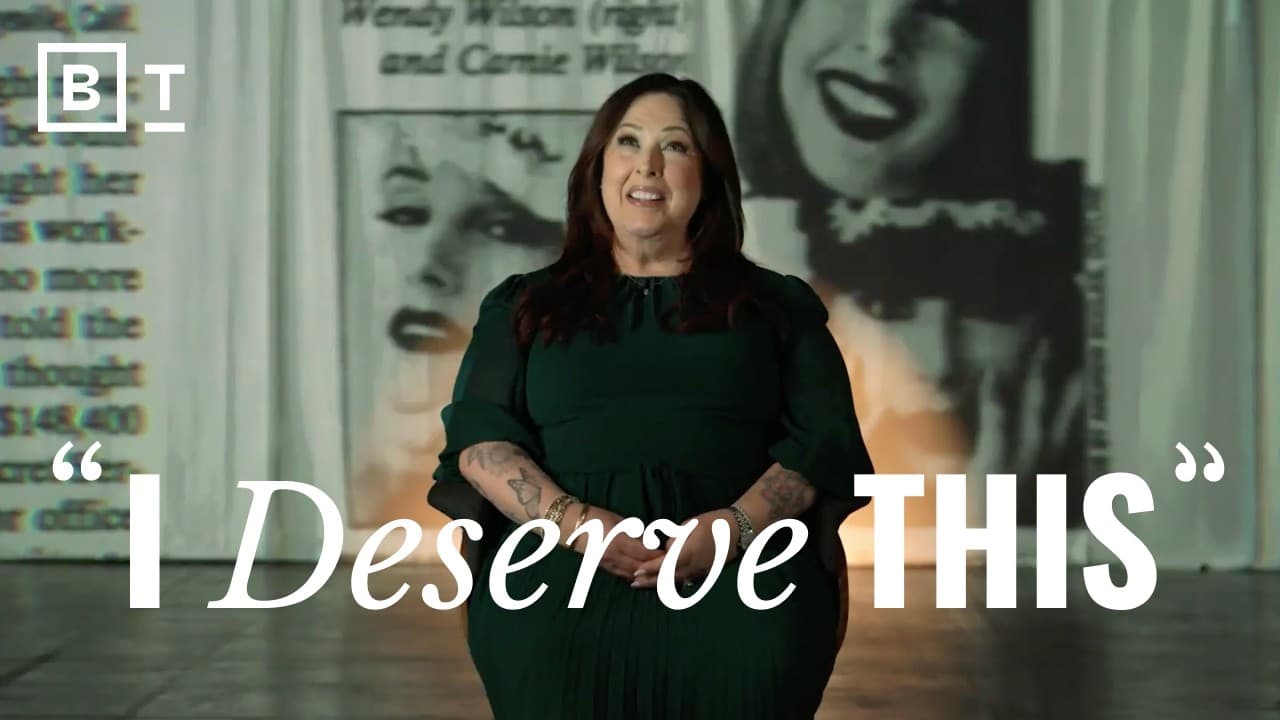
- She expressed a desire to fully embrace and deserve this familial love, affirming that the core family unit will remain a central source of connection and happiness 0s