

The Role of Patient Navigators
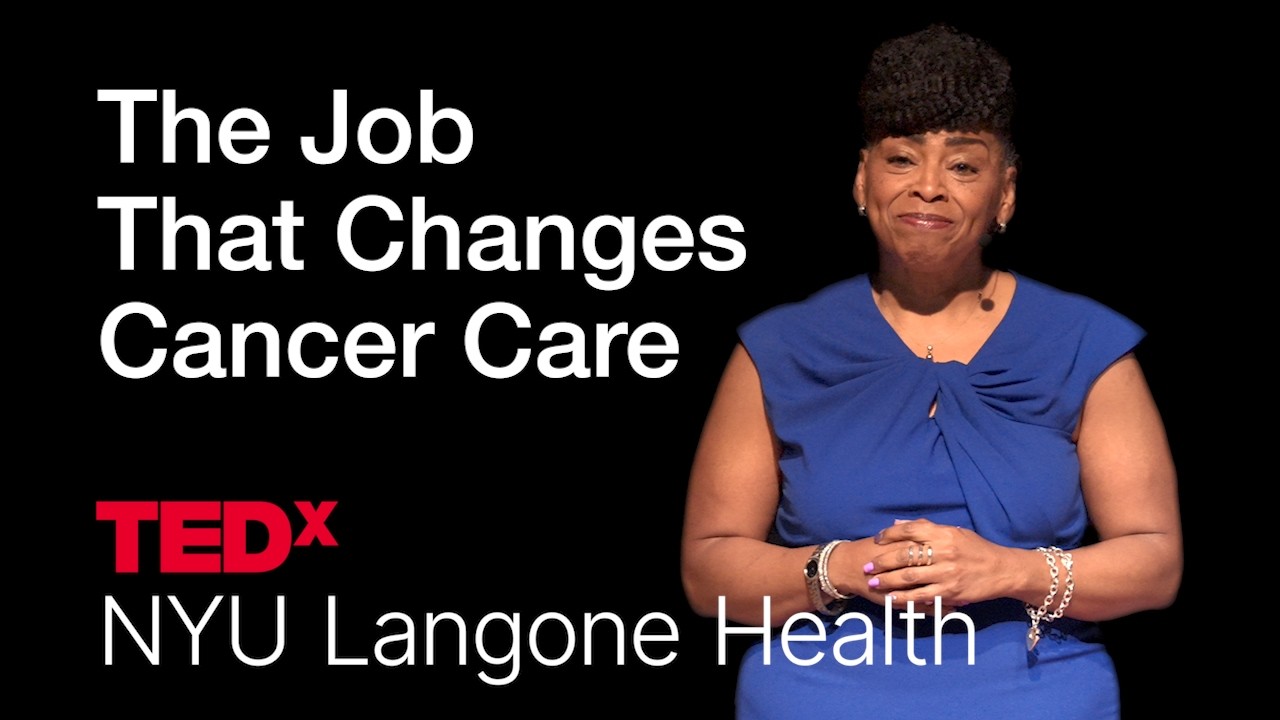
- The acronym MAD stands for "making a difference," a guiding principle for patient navigators who assist individuals in managing their healthcare and navigating the complexities of the medical system 0s.
- Patients often face significant challenges upon diagnosis, including the need to learn new medical terminology, manage insurance forms, coordinate appointments, and make difficult decisions, all while potentially feeling isolated and vulnerable 15s.
- Patient navigators provide essential support by walking alongside patients to help them manage these overwhelming healthcare experiences 42s.
Personal Motivations and Career Path
- The parents of the speaker, Hezekiah and Gertrude, migrated from the segregated South to Brooklyn in the early 1960s at the ages of 22 and 18, respectively, to seek a better life for their family 1m5s.
- A childhood school trip to John F. Kennedy Airport, where a flight attendant treated the speaker with kindness and care, served as a formative experience that highlighted the profound impact of simple compassion on another person's experience 1m25s.
- After working in the financial industry and feeling unfulfilled, the speaker experienced a defining moment of inspiration that led to a career change focused on nurturing and guiding others 2m25s.
- Patient navigators, also known as community health representatives or community health care workers, perform a vital role in the healthcare system that provides the speaker with a sense of purpose and fulfillment 3m5s.
Origins of Patient Navigation
- The concept of patient navigation was pioneered by Dr. Harold P. Freeman, an oncology surgeon who worked at Harlem Hospital starting in 1967 and became the director of surgery there in 1979 3m35s.
- Dr. Freeman identified a significant disparity in breast cancer outcomes, noting that the 5-year survival rate in Harlem was 39%, compared to approximately 75% for the general American population 3m55s.
- Motivated by the high cancer death rates among the predominantly poor, Black community he served, Dr. Freeman committed himself to transforming these statistics and eradicating cancer from Harlem 4m15s.
Legislative History and Standards of Care
- Dr. Freeman initiated free breast and cervical cancer screenings in Harlem but identified a critical gap in care for women who received positive findings and required follow-up imaging or biopsies 0s.
- The patient navigation program was established in 1990 to address the lack of information and support for women needing timely medical follow-up after cancer screenings 35s.
- President George W. Bush signed the Patient Navigation, Outreach, and Chronic Disease Act into law in 2005 53s.
- The Affordable Care Act, signed by President Barack Obama on March 23, 2010, mandates that patient navigators assist Americans in securing health insurance 58s.
- In 2012, the American College of Surgeons established patient navigation as a standard of care for hospitals seeking accreditation in cancer treatment 1m10s.
Outreach and Community Services
- Patient navigators, community health workers, and community health representatives now serve a diverse range of roles within the healthcare system 1m16s.
- At the Beatrice W. Welters Breast Health and Outreach Program at Perlmutter Cancer Center, the primary objective is to assist women aged 40 and older in obtaining screening mammograms 1m30s.
- Patient navigators work with a broad demographic, including corporate executives, insured and uninsured individuals, and those in underserved areas who lack access to breast health information 1m42s.
- Outreach efforts include facilitating breast health presentations in libraries, at conferences, and within correctional facilities 1m55s.
- Mammogram buses travel throughout the five boroughs of New York City to provide access, with navigators assisting in scheduling appointments and coordinating transportation 2m6s.
Support and Advocacy for Patients
- Navigators provide emotional support and resources to patients who face significant barriers to care, such as the fear of job loss, lack of insurance, or insufficient childcare 2m35s.
- The skills acquired through professional patient navigation can also be applied to personal situations, such as advocating for family members within the healthcare system 3m15s.
- Individuals facing health challenges are encouraged to seek assistance from patient navigators, community health workers, or community health representatives for guidance and support 3m55s.
- The presentation concludes with an expression of gratitude following an audience applause segment 0s.