

Podcast Strategy and Team Preparation
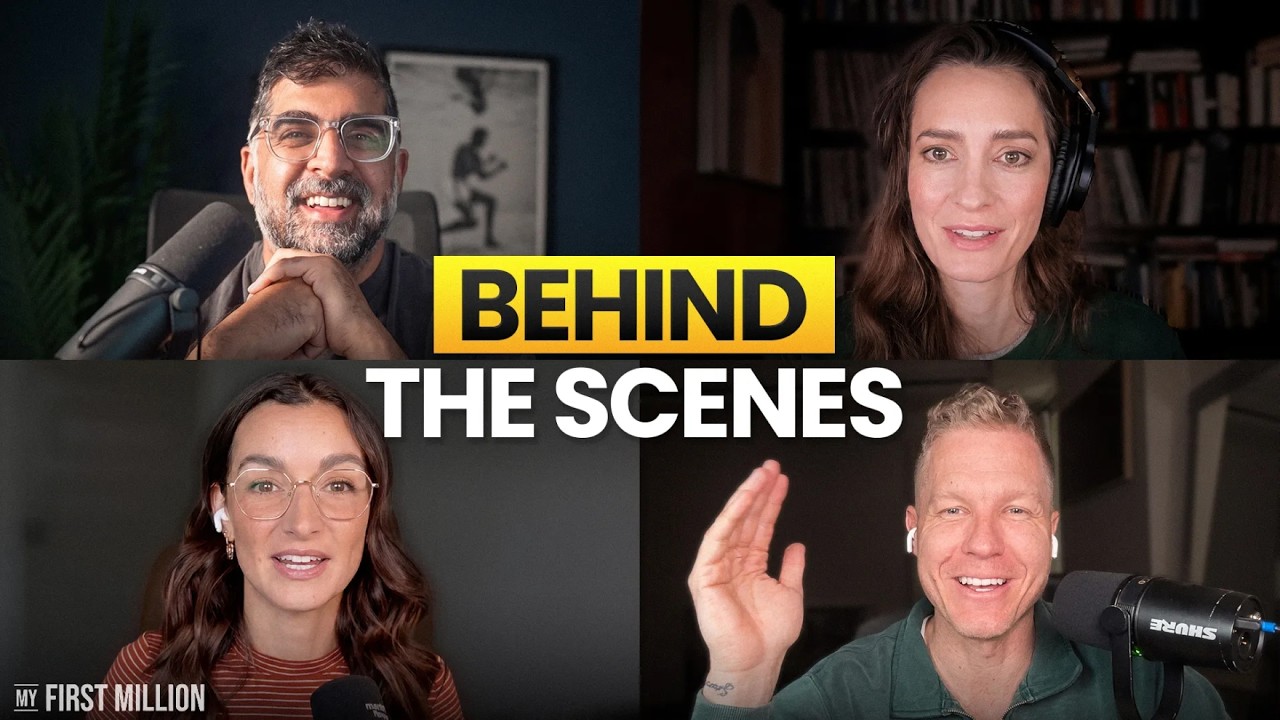
- The team decided to record their strategy meeting live, with members including Sam, Ari, and Cassie, the new team member, to discuss the podcast's strategy and direction 10s.
- Before the meeting, team members were asked to fill out a pre-work assignment with questions such as what's working well with the podcast, what's not, and what are their biggest pet peeves, with Ari acting as the collator of the responses 2m6s.
- The pre-work assignment was designed to make the meeting more valuable and interesting, as most people don't think well on the spot, and it allows for more insightful and honest discussions 2m6s.
- Sam's response to the pre-work assignment included the idea of doing the "selfish thing" and focusing on having fun, learning, and improving himself, rather than trying to appeal to the audience in an inauthentic way 4m42s.
- This idea is reminiscent of the Rick Rubin quote, "the best way to serve your audience is to ignore them completely," and it's noted that when the team focuses on their own interests and passions, they tend to have more energy and enjoyment 6m15s.
Evolution of the Podcast and Content Philosophy
- The team's approach to the podcast has evolved over time, with the first three years focusing on creating content without looking at data, and only occasionally checking metrics such as YouTube numbers, which can sometimes influence episode ideas and create pressure to produce clickbait-style content 8m30s.
- It's observed that when the team creates content that is more authentic and focused on their own interests, they tend to have more energy and enjoyment, and this approach is seen as a key to the podcast's success 10m50s.
- The podcast episodes are often created based on personal curiosity and interest, rather than solely on data-driven decisions, which tends to result in more excitement and energy for the hosts 10s.
Podcast Overview and Growth
- The podcast, "My First Million", has been running for 6 years, with 822 episodes and over 115 million downloads, and is built around a simple concept of sharing interesting ideas and discussions 2m6s.
- The podcast has evolved into a media company, but it lacks a dedicated social media presence, with the hosts often being unaware of their social media accounts, such as Twitter, LinkedIn, and Instagram 4m30s.
Growth Strategy and Social Media Expansion
- A 60-day action plan for growing the podcast's channels was generated using a Claude prompt, which is being made available to listeners who provide their email address in the show notes 6m40s.
- When considering new initiatives for the podcast, the focus is on identifying one or two key changes that could have a significant positive impact, rather than trying to implement a long list of ideas 8m10s.
- The hosts recognize that their core product, the podcast, is strong, but they need to find ways to attract new listeners and make the content more discoverable, such as using clips to give people a taste of what the podcast is like 10m20s.
- The idea of using clips to promote the podcast is inspired by other successful podcasts, such as "Basement Yard", which has a large following and engagement through bite-sized clips shared on various platforms 12m30s.
- The goal is to create clips from the My First Million podcast that are hilarious, inspirational, or feature great banter, and share them on social media platforms where people already are, such as X, Instagram, TikTok, and LinkedIn, to give people a taste of what the show is about 10s.
- The challenge is to take a normal episode, which is about an hour long, and extract three to four moments that are representative of the show, edit them tightly, and make them shareable, so that people can understand what the show is about and get hooked 2m6s.
Clip Promotion and Social Media Execution
- The idea is to post these clips consistently on social media, similar to what other podcasters do, and what Chris Williamson's team did with an episode that featured a guest, which led to Elon replying to one of the stories shared on X 4m42s.
- To achieve this, it's suggested to make the process more like a meeting, where ideas are discussed and strategies are formed, and to encourage team members to speak up and share their thoughts, like Sean does in strategy meetings, who is described as being blunt and to the point 8m10s.
- The team also discusses the importance of creating engaging content and going viral, with humorous suggestions such as having Sam's apartment catch fire during an episode, and the idea of creating a "clipper army" to help share and promote the show's content 10m40s.
- The team recalls a successful experiment where they offered a $5,000 bounty to the person who created the most liked clips, which resulted in 20 million impressions in the first month, and suggests doing something similar to increase the show's online presence 12m10s.
- The team stumbled upon a successful strategy by crowdsourcing content creation and offering a prize, which led to a significant spread and even resulted in one participant creating a successful business, 10s.
- The team is considering reviving this strategy, either by repeating the same approach or by paying a cost per thousand views, with the goal of incentivizing young editors to create clips about their content on social media, 10s.
Building a Clipper Army and Incentivizing Content Creation
- The plan is to raise a "clipper army" over the next 90 days, with a stretch goal to aggressively grow the team and then reassess after the initial period, 2m6s.
- Cassie, the new team member, is tasked with setting a target and leading the effort to build the clipper army, with the freedom to be "stupidly aggressive" and spend more money than necessary to achieve the goal, 2m6s.
- The team is also discussing the possibility of hosting events, with one idea being a two or three-venue tour, but they need to develop a format that would be entertaining and engaging for a live audience, 4m42s.
Event Hosting and Audience Engagement
- Sean expresses interest in hosting an event, but only if it's worth driving an hour for, and he doesn't want to do it solely for money or ego, 6m15s.
- The motivation for creating an event is not about making money or having a large audience, but rather about meeting the top 1% of listeners who are the most interesting and like-minded individuals 10s.
- The idea is to have a curated event with around 100 to 150 people, including friends of the podcast, such as Andrew and Steph Smith, and other guests who would be of interest to the attendees 2m6s.
- The goal is to create a fun and stress-free environment where attendees can meet and interact with each other, rather than having a large and formal live show 4m42s.
- An alternative idea is to create a "Tiny Desk" style event, where a small and intimate group of people can come together and have a more informal and spontaneous discussion, similar to the NPR Tiny Desk series 6m15s.
- This type of event would allow for a more relaxed and creative atmosphere, where attendees can share their problems and ideas, and receive feedback and guidance from the hosts, including Ben Levy 8m30s.
- The event would be designed to provide value to the attendees, and to create a unique and memorable experience, rather than just a formal and structured presentation 10m45s.
Live Event Ideas and Formats
- The idea of hosting live events in different locations, such as New York and San Francisco, where people can share their problems and receive help, is being considered, and the content created from these events can be used to make engaging clips 10s.
- The live events can be curated to create a unique experience, and the content generated from them can be chopped into smaller clips, similar to what Hormozi is doing, to create valuable and shareable content 2m6s.
- There is a preference for hosting events with a more relaxed atmosphere, rather than formal events with high-profile attendees, as it feels more like a "pissing match" and less enjoyable 4m30s.
- The idea of doing solo episodes is not favored, as it feels like "work" and less fun than recording with a partner, but there may be exceptions when discussing a topic of great interest 8m40s.
Recording Preferences and Solo Episodes
- In-person interviews and recordings are preferred over remote ones, as they allow for a more personal connection and better production value, and can lead to more meaningful conversations and content 12m10s.
- There are different preferences when it comes to scheduling recordings, with one person being more flexible and open to recording at any time, while the other has a more structured approach and prefers to stick to a set schedule 15m20s.
- The idea of creating a branded newsletter is being considered, with the goal of making it an asset rather than a liability, and it would require a way to de-risk it and ensure the content is trustworthy and aligns with the brand's taste 10s.
Newsletter Development and Content Strategy
- The newsletter could include takeaways from episodes, such as cool learnings and interesting stories, presented in a plain and straightforward way, without gatekeeping, to make readers want to listen or watch an episode 2m6s.
- The proposed newsletter format would include sections such as "here's what we just did," "here's who's coming up," and a bullet points section for extra content, such as notable achievements or new products, to provide value to readers 4m30s.
- To create the newsletter, it's suggested that Diego, the head of content, who has experience writing in a similar style, could take on the task, which would be worth it if enough people subscribe to the newsletter 6m20s.
- The newsletter would need to become the main place where people are directed to, rather than other platforms like HubSpot, to drive subscriptions and provide consistent value to readers 8m10s.
- Another idea being discussed is creating a community meet-up platform, similar to the previous "river community meet-up type things," where fans of the show can opt-in to meet up with others who share similar interests, potentially in a decentralized dinner club format 10m40s.
Community Building and Meet-Up Ideas
- The idea of creating a platform for people to meet and connect with others in their city who share similar business interests is being considered, with the potential to create meaningful connections and do good karma for the world, but it also comes with liability concerns 10s.
- The concept of hosting meet-ups, which could be called "the other 99%", is being discussed, with some enthusiasm and suggestions for how to make it work, such as showing up to surprise dinner groups and capturing content 2m6s.
- The VaynerX team's experience with hosting branded dinners in different cities, led by Gary Vaynerchuk, is mentioned as an example, although it's noted that Gary Vaynerchuk himself doesn't always attend these events 4m6s.
Guest Selection and Episode Diversity
- The idea of aiming higher when it comes to guest selection for the podcast is being discussed, with a suggestion to focus on super mega popular people who can talk about new and interesting ideas, as well as lesser-known individuals who can provide unique insights 6m6s.
- The importance of having a mix of high-profile and unknown guests is emphasized, with examples of memorable episodes featuring unexpected guests, such as Sean's former chief of staff, Ishaan, and the Amish kid who appeared on Theo Von's podcast 8m6s.
- The approach to running the podcast involves enjoying conversations with a wide range of individuals, from world leaders to people with unique insights and wisdom, regardless of their level of accomplishment, and this approach is something to take pride in 10s.
- There is a particular interest in having older people, 70 years or older, on the podcast, as they often bring valuable life experiences and insights to share 1m42s.
Episode Format Exploration and Content Types
- The podcast has explored various episode types, and there is a desire to identify which types to focus on more, which to abandon, and which new types to try, with a potential interest in topics like raising children, finding passion, or finding happiness 2m6s.
- Having guests like Arthur Brooks or Graham Weaver, who share inspirational stories and insights on living a fulfilling life, is considered a valuable addition to the podcast's content 3m30s.
- A proposed format involves discussing books or research papers that offer data-driven approaches to improving life, such as raising better children or finding happiness, with a goal of exploring these topics in a more structured way 5m15s.
- Another idea is to create a format where the hosts discuss books they have read, either individually or together, to share insights and recommendations, potentially on a quarterly basis 7m10s.
- The hosts are open to exploring different formats and topics, with a focus on finding ways to make the content more engaging and valuable for the audience 9m20s.
Guest Stories and Unique Episode Concepts
- The story of Michelle and her husband, who wanted to run for president, is shared, highlighting the husband's determination and Michelle's initial reluctance, with the husband wanting to be a beacon of hope for young brown kids 10s.
- The idea of incorporating a ritualistic question into the podcast is discussed, similar to what Patrick O'Shaughnessy does, where he asks guests about the kindest thing anyone has ever done for them, and also like Diary of a CEO, where guests write a question for the next guest 2m6s.
- The concept of exploring the backstories of everyday businesses, like Bitchin' Sauce or the Stanley mug, is introduced, and the possibility of creating a standalone package where both hosts study and discuss a specific business is considered 4m42s.
- The idea of creating a standalone package, with a title and thumbnail that makes a promise to the listener, is further discussed, where both hosts would study a business and deliver on that promise by sharing its story, ups, downs, and coolest facts 9m10s.
Business and Product Deep Dives
- The comparison to existing podcasts, such as Acquired and How I Built This, is made, with the suggestion to create a unique format where the hosts nerd out on a specific business and share their findings 6m50s.
- The idea of creating a "make it" style episode is discussed, where the story of how a popular product or company was built is explored, similar to CNBC's "Make It" series on YouTube, which has featured stories like the creation of Yeezy 2m6s.
Guest Insights and Personal Workflows
- The concept of having guests share their screens, such as their calendar or iPhone home screen, is proposed as a way to gain insight into their daily lives and workflows, and to potentially uncover unique and interesting information 4m42s.
- The idea of asking guests to share their Chrome plugins, desktop organization, and other personal preferences is also suggested as a way to learn more about their habits and gain "alpha" or valuable information 6m6s.
- The importance of exploring personal and idiosyncratic aspects of a guest's life is emphasized, such as the story behind a particular item on their desk, as a way to uncover new and interesting stories 8m6s.
- The example of Warren Buffett's desk, which features a box called the "two hard pile", is given as an illustration of how exploring a person's workspace can reveal unique and fascinating information 10m6s.
- The proposal to ask guests to share screenshots of their calendar, home screen, or other personal items before an episode is made, in order to gain a deeper understanding of their daily lives and habits 5m6s.
Handling Guest Controversies and Ethical Considerations
- The responsibility of addressing a guest's checkered past is a challenge, and it is essential to mention it when having someone on the show who has a controversial history, such as Martin Shkreli, to ensure that the topic is discussed and to maintain the show's integrity 10s.
- There have been instances where a guest's past was not thoroughly researched, and it was only discovered during the recording, making it necessary to confront the issue on the spot, which can be uncomfortable and requires a delicate approach 42s.
- The goal is to minimize the number of times this situation arises and to ensure that having a guest with a controversial past is worth it, such as in the case of Martin Shkreli, who is considered an interesting person despite his questionable actions 2m6s.
- Ari plays a crucial role in protecting the show by reviewing the content and suggesting edits or removals of sensitive or potentially offensive material, and her input is valuable in maintaining the show's quality and avoiding potential issues 4m30s.
New Ideas and Implementation Plan
- The team is open to exploring new ideas, such as newsletters, clips, meetups, and discussing topics like happiness and parenting, and Cassie is tasked with building a "clipper army" as a key challenge and responsibility in her new role 8m40s.
- The podcast aims to explore new topics, including those related to the human condition, such as raising kids and happiness, in addition to their usual business and investing discussions 10s.
- The idea of discussing investing and personal growth originated from the hosts' own interests in becoming smarter investors and better parents, and they plan to ask guests for their non-obvious and atypical approaches to parenting 1m42s.
- The hosts want to ask guests questions like what they do differently in terms of parenting, such as taking one-on-one trips with each kid, to gather unique insights and create meaningful conversations 2m6s.
- To improve guest preparation, the hosts plan to ask guests to share screenshots of their workspace, desk, or computer, and to ask questions like "what's the kindest thing anyone has ever done to you" to create a sense of tradition and closeness 4m10s.
- The hosts have decided to focus on implementing these new ideas for 90 days before considering adding more features, such as meetups, to their podcast 6m30s.
Conclusion and Public Transparency
- The conversation was intentionally held in public to give listeners a glimpse into the behind-the-scenes process of creating the podcast and to make it more relatable and interesting 8m10s.