
Introduction to Valerie Gordon and Her Story
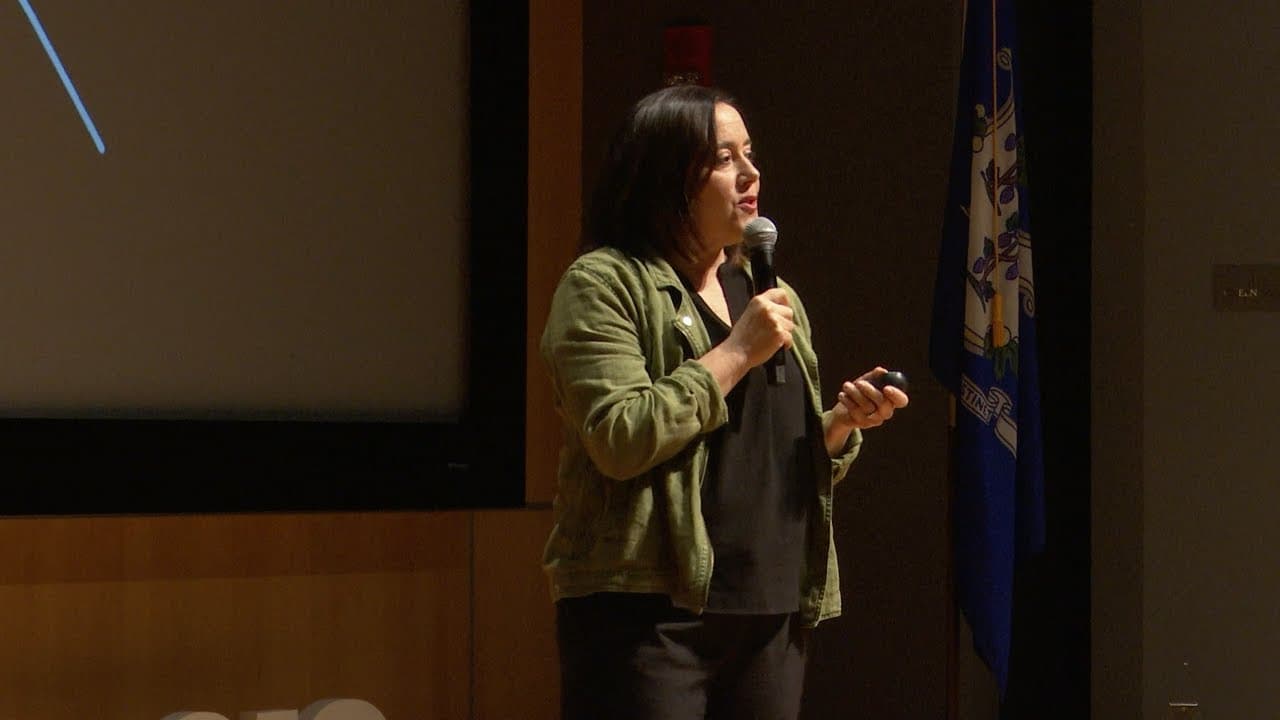
- The next speaker, Valerie Gordon, is introduced as a television producer who has worked with major networks, including CBS News, ESPN, and HBO Sports, and now runs her own consultancy that helps individuals and organizations use storytelling as a tool for leadership, communication, and growth 10s.
- Valerie Gordon shares a personal story about driving home from a conference at night, feeling tired and sensory-overloaded, when another car flashes its headlights at her, causing her to feel irritation, uncertainty, and fear, and she initially thinks the other driver is being aggressive 2m6s.
- As the story unfolds, Valerie Gordon realizes that the other driver is actually trying to warn her that her headlights are off, and she feels a shift from fear to anger to gratitude, and she acknowledges that she was the one who was being reckless and irresponsible 4m42s.
- The story highlights how Valerie Gordon's initial perception of the situation was influenced by her own biases and assumptions, and how the other driver's actions were actually motivated by a desire to help her, demonstrating how different people can have different perspectives on the same situation 6m15s.
Reflection on Perception and Perspective
- Valerie Gordon reflects on how the story she told herself about the situation was not the only possible interpretation, and that the other driver may have had a completely different story about the same events, illustrating the idea that people can have different stories about the same experience 8m10s.
- The story raises questions about how people's perceptions and interpretations of events can be influenced by their own experiences, biases, and assumptions, and how embracing multiple perspectives can transform the way we see the world 9m20s.
The Hero's Journey and Interpersonal Roles
- The concept of the hero's journey, popularized by Joseph Campbell, suggests that individuals are the heroes of their own stories, navigating challenges and obstacles to emerge victorious and grow, and this role is played by each person in their own life journey 10s.
- While people play the role of hero in their own stories, they also play roles in other people's stories, which can range from side character to villain, and these roles are not always chosen or realized 1m14s.
- The stories of different individuals can intersect and conflict, leading to situations where one person's actions, although well-intentioned, can be problematic for someone else, and this highlights the complexity of human interactions and relationships 2m6s.
Internal vs. External Stories and Biases
- There is a distinction between internal and external stories, with internal stories being subjective and based on feelings, while external stories are objective and based on observable facts, and this distinction is important for understanding how people perceive themselves and others 3m30s.
- The internal story is influenced by personal biases and the tendency to look for evidence that confirms existing beliefs, which can lead to a distorted view of reality and the people in it, and this is a common phenomenon that affects many individuals 5m10s.
Multi-Perspectivity and Its Benefits
- Practicing meaningful multi-perspectivity, which involves considering multiple viewpoints and perspectives, can help build objectivity and provide a more nuanced understanding of the world and the people in it, and this can be achieved by actively seeking out and engaging with different perspectives 7m20s.
- The concept of multi-perspectivity is illustrated by the example of the Wicked Witch of the West from the Wizard of Oz, who is traditionally seen as a villain but is reimagined as a hero in the adaptation Wicked, highlighting the importance of considering different perspectives and stories 10m30s.
Multi-Perspectivity in Literature and Business
- Glinda is considered the antagonist to Elphaba's protagonist in their story, but Glinda's ability to grow and understand Oz through Elphaba's eyes makes her a hero as well, demonstrating that their story is a collective one 10s.
- The concept of multi-perspectivity is important, not just in literature, but also in business, as it allows individuals to understand the perspective of others, leading to empathy, productive dialogue, and personal growth, which can be valuable in various situations such as sales, negotiations, and job interviews 1m15s.
The Concept of Sonder and Empathy
- The concept of sonder, described by John Koenig in the Dictionary of Obscure Sorrows, refers to the realization that every person has a life as vivid and complex as one's own, and that they are the star of their own intricate and emotionally layered story, with their own ambitions, fears, and regrets 2m30s.
- Understanding sonder does not require agreeing with everyone, but rather recognizing that everyone has a story that shapes their perspective, and that by truly listening to and questioning one's own inner narrative, individuals can grow their perspective and become better listeners 3m45s.
Curiosity, Compassion, and Inclusivity
- By moving beyond one's own certainty and into curiosity, and allowing that curiosity to build compassion, individuals can improve collaboration, create a more inclusive society, and become better supporters of others in their own stories 5m10s.
- The idea of multi-perspectivity can be applied to various aspects of life, including storytelling, where instead of focusing solely on one's own story, individuals can consider the role they play in someone else's story and how serving as a supporting character can grow their own character 6m40s.
Conclusion: Applying Multi-Perspectivity in Life
- Ultimately, the concept of multi-perspectivity encourages individuals to be more open to others' perspectives, to collaborate, and to create a more inclusive society, by shining a light on what matters most in their collective story 8m20s.