

The Facade of Being Fine
- Individuals often feel overwhelmed or exhausted while simultaneously responding to inquiries about their well-being with the automatic, polite, and learned response of "I'm fine." 0s
- The phrase "I'm fine" frequently functions as a shield or a blanket statement rather than an honest reflection of one's internal state. 35s
- Admitting to not being okay is not a sign of weakness or failure, but rather a potential starting point for healing and self-understanding. 48s
- People often use a "curated" smile as a reflex to perform strength and reassure others, which can hide the reality of their struggles. 1m12s
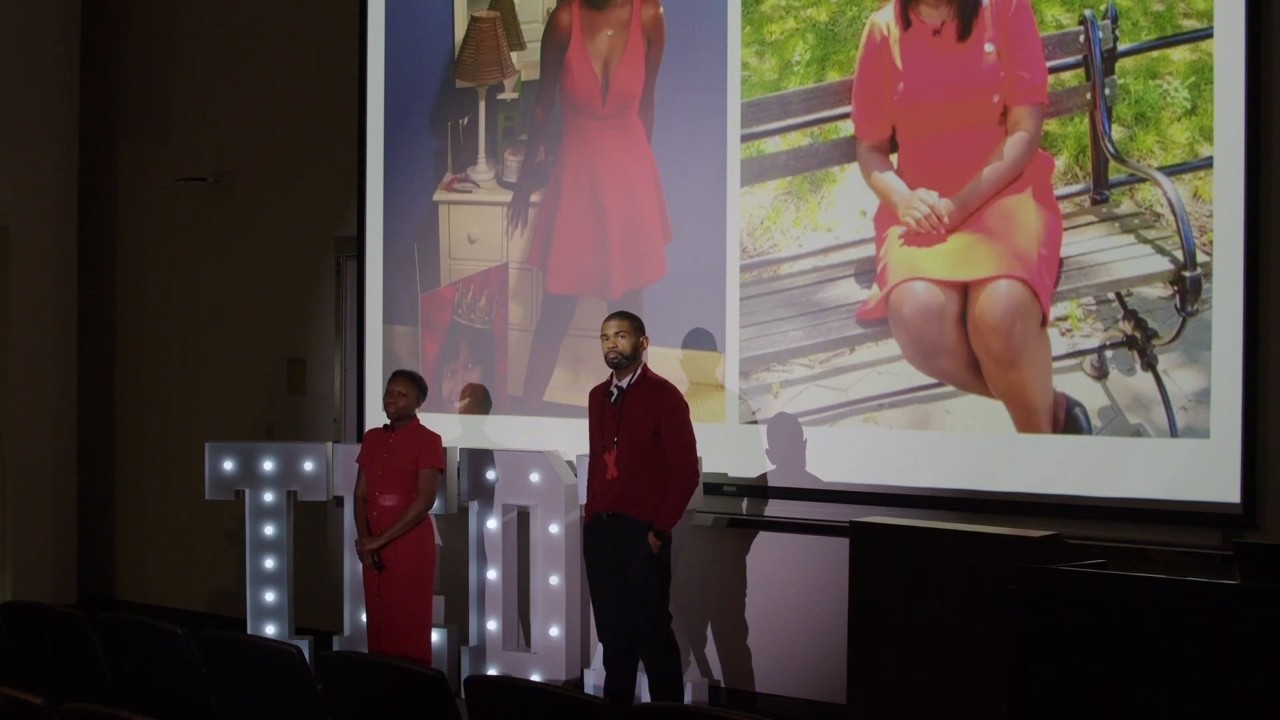
- Photographs often capture a frozen moment of happiness that does not reflect the emotional state of the individual shortly before or after the image was taken. 1m25s
Societal Pressures and Emotional Suppression
- The pressure to meet the expectations of others—such as in roles as parents, household heads, or students—can lead individuals to believe that showing vulnerability is equivalent to failure. 1m50s
- Silence is sometimes mistaken for strength, while exhaustion is misidentified as responsibility, causing people to bury their true feelings. 2m12s
- According to the Mental Health Foundation, the average adult says "I'm fine" 14 times per week, but this statement only accurately reflects their true feelings 19% of the time. 2m23s
- Using "I'm fine" can serve as a form of protection, performance, or a learned response to discomfort, which eventually leads individuals to hide their truth from themselves as well as others. 2m35s
- Acknowledging that one is not okay is a necessary step toward identifying personal needs and beginning the process of healing. 3m0s
Learned Silence and Personal Burdens
- Honesty about personal struggles is often hindered by concerns regarding the safety of the person being addressed or the appropriateness of the setting. 0s
- Learned behaviors from childhood, such as observing a mother who suppressed her own visible distress while maintaining a supportive public persona, can influence how individuals handle their own emotional challenges. 15s
- A significant influence on the decision to remain silent was a 2005 experience involving an aunt who requested that her cancer diagnosis be kept secret from her sister to avoid causing her worry. 35s
- The belief that one should not burden others with personal struggles leads to silence, which can negatively impact both mental and physical health. 55s
Personal Struggles During the Pandemic and Beyond
- During the COVID-19 pandemic, the pressure to maintain a facade of normalcy—such as sharing photos of family activities—masked feelings of fear and isolation while managing the demands of remote teaching and childcare. 1m15s
- Emotional eating served as a coping mechanism for stress during the pandemic, resulting in a weight gain of over 35 pounds. 1m55s
- In November 2022, a mammogram led to a medical scare involving calcification and the possibility of cancer, which occurred during a period of professional and personal success. 2m15s
- Despite advocating for the importance of saying "I'm not okay" during a speaking engagement in January 2023, the fear of burdening others prevented the disclosure of the ongoing cancer scare to a trusted colleague. 2m55s
Navigating Medical Uncertainty and Disclosure
- The process of waiting for follow-up mammograms every six months resulted in prolonged periods of dread and uncertainty. 3m20s
- In June 2025, it was confirmed that there was no cancer, allowing for a return to annual screening exams. 3m35s
- When the cancer scare was finally disclosed to a close friend, the friend expressed gratitude for the positive outcome but also frustration at being excluded from the experience, highlighting the conflict between the desire to protect others and the need for support. 3m45s
The Power of Authentic Communication
- A request to be honest about not being okay serves as a contrast to previous experiences where silence was encouraged 0s.
- Silence and the suppression of emotions lead to pain rather than providing protection 25s.
- Stating that one is not okay is not a sign of weakness or a request to be fixed, but rather an invitation to be authentic 36s.
- Daily struggles such as stress, pressure, mistakes, and unspoken expectations can wear individuals down over time 46s.
- Attempting to be the "strong friend" prevents individuals from receiving necessary support 56s.
Deepening Connections Through Vulnerability
- Naming one's struggles allows defenses to lower and masks to be removed, which deepens personal connections 1m3s.
- Being open about one's own truth creates an environment that encourages others to share their own experiences 1m17s.
- Parent-child relationships can become strained due to a dynamic where the child wants to be seen as capable while the parent wants to be acknowledged as a human being with their own imperfections 1m35s.
- Pride and the fear of being misunderstood often prevent people from expressing hurt, leading to feelings of resentment, bitterness, and silence 1m53s.
Resolving Intergenerational and Relational Conflicts
- Initiating a conversation about childhood experiences and upbringing is not intended to assign blame, as parents often do the best they can with the resources they have 2m15s.
- When a difficult conversation does not yield an immediate response, it may be necessary to wait for the other person to process the information and return to the discussion 2m43s.
- Impact is distinct from intention, and even when people do their best, honest communication is required to move forward 3m5s.
Embracing Honesty as a Path to Care
- Telling the truth about one's current state creates the conditions necessary for care 3m25s.
- Struggles are not meant to be carried alone, and individuals are not burdens 3m35s.
- Honesty is not a performance or an obligation, but a gentle offering of one's presence 3m48s.
Courageous Transparency and Connection
- Admitting that one is not okay is an act of courage rather than a sign of defeat or weakness. 0s
- Expressing that one is not okay serves as an opening for connection, care, and the opportunity to present one's full self to others. 5s
- Individuals are encouraged to pause and provide an honest answer when asked how they are doing to see what possibilities may arise from that transparency. 12s
- Dr. Andrea Smith and Justin Stewart identify themselves and state that they are not okay. 16s
- The interaction concludes with a question asking how the other person is doing. 20s