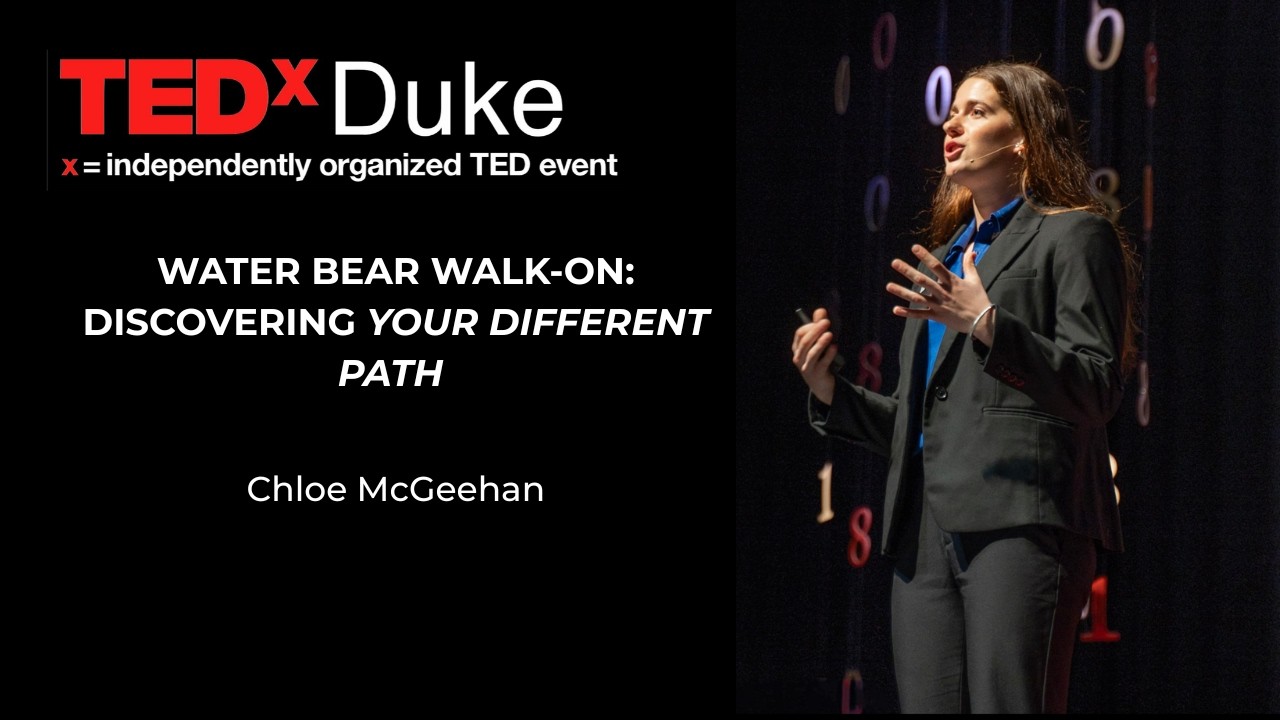


Barriers and Pathways in Division 1 Athletics
- Advancing to Division 1 athletics requires significant investments of time, money, and resources, as well as parental support and an understanding of the system 0s.
- Youth sports has become a $40 billion industry, leading to early specialization models that often restrict participation to children who can afford year-round training before the age of 12 15s.
- Peyton Manning and Steph Curry launched an ESPN campaign titled "Take Sports Back" to address the exclusionary nature of early specialization in youth sports 25s.
- Common pathways to becoming a Division 1 athlete include being a scholarship recruit, a preferred walk-on, a tryout walk-on, or a transfer athlete 1m15s.
- These traditional categories of Division 1 athletes share a common thread of continuity, where the athlete has prior experience and muscle memory in their specific sport 1m45s.
Transitioning from Running to Rowing
- Competitive running was accessible because local programs like Boaz Running required minimal equipment, allowing participation regardless of socioeconomic background 2m25s.
- After serving as a high school track and cross-country captain for three years, an attempt to walk on to the Duke track team was unsuccessful after the coach stated they were not accepting tryout walk-ons 3m15s.
- Following the rejection from the track team, time was spent participating in club running and working as a sports performance strength training intern for various Duke athletic teams 4m5s.
- A conversation with a parent during sophomore year prompted the consideration of rowing, which maintained a tryout process for potential athletes 4m45s.
The Water Bear Walk-on Philosophy
- Water bears are microscopic, eight-legged creatures recognized for their extreme resilience, including the ability to survive without water, exposure to radiation, and contact with molten lava 0s.
- A "water bear walk-on" is defined as an individual who ambitiously pivots into new environments without prior experience, rejecting a limited self-perception to pursue challenging paths 25s.
Physical and Technical Demands of Rowing
- The transition to collegiate rowing involved a significant physical and technical shift, requiring a change from running forward to rowing backward and learning to operate rowing machines known as ergs 1m15s.
- Division one athletes face substantial demands, including 6:00 a.m. wake-up calls, managing injuries, navigating hectic schedules, and missing classes for competitions 1m45s.
- The daily routine of a rowing walk-on includes waking up at 5:30 a.m., traveling to a lake, and performing technical tasks such as using wrenches to attach metal frames called riggers to boats 2m15s.
- Rowing involves physically demanding tasks, such as carrying boats weighing hundreds of pounds from the boathouse to the dock 2m45s.
- During rowing sessions, a coxswain steers the boat and provides instructions through a speaker system using specialized terminology, while athletes must manage physical challenges like bleeding hands and erratic breathing 3m0s.
- Coaches may require athletes to close their eyes while rowing to better perceive the movement and flow of the boat 3m30s.
Building Credibility and Trust as a Novice
- Initial experiences as a walk-on often involve feelings of isolation and the awareness of being a burden to more experienced teammates who must adjust their pace 3m45s.
- Transitioning from a position of established leadership, such as a track captain, to a novice athlete without a performance record requires building trust through alternative means 4m15s.
- Leveraging prior running experience, a walk-on can establish credibility and trust by consistently performing at the front of the group during stadium stair workouts 4m45s.
- Mutual respect and camaraderie develop when a walk-on sets a reliable standard that teammates can use to push their own performance 5m15s.
- Commitment to a team is demonstrated by a willingness to persist despite challenges, including navigating academic and athletic environments across different institutions like Duke and UNC 5m30s.
Academic and Athletic Balancing Challenges
- Students participating in the exchange program between Duke and UNC are required to live and attend classes at one institution while commuting to the other for athletic commitments 0s.
- A rigorous schedule involving a 4:00 a.m. wake-up call for practices at Duke or Lake Michie led to academic struggles, including a failed exam and a contaminated laboratory experiment 7s.
- The experience of failing prompted a realization that the Robertson Scholarship principle of personal responsibility is fundamentally rooted in vulnerability rather than just respect 23s.
- Athletes often feel pressured to make difficult tasks appear effortless, but communicating through personal weakness proved necessary for team stability 35s.
Collective Success and Personal Growth
- The concept of a "water bear walk-on" describes individuals who rely on curiosity, grit, and the ability to create their own opportunities rather than possessing innate talent or head starts 45s.
- Diverse communities that include water bear walk-ons are characterized by increased success 1m5s.
- The Duke women's rowing team utilizes the philosophy of "standing on each other's shoulders," where those who do not make the championship boat still contribute by forcing teammates to improve their performance to meet higher standards 1m12s.
- This approach to competition shifts the focus from individual rivalry to collective success, aiming to cross the finish line as a unified group 1m35s.
- Participation in the Duke women's rowing team led to personal growth, including becoming a double major in biology and economics and serving on the board of trustees to influence Duke science and technology 1m45s.
- After one year on the team, the transition from being a spare for the ACC Championship to securing a seat in the championship boat marked a significant personal transformation 1m55s.
Embracing Growth and the Unknown
- The term "suspension" can represent a growth medium in science, similar to how being suspended from a college track career allowed for a shift to rowing, which expanded rather than abandoned athletic goals 2m8s.
- Addressing societal challenges requires individuals to embrace the unknown and utilize their inner "water bear" to build a better future 2m25s.