

Reflecting on Past Identity and Trauma
- The program "The Me I Used To Be" focuses on reflecting on past life experiences and how those moments shaped beliefs about the world, others, and oneself through a concept called the "Perception Box." 5s
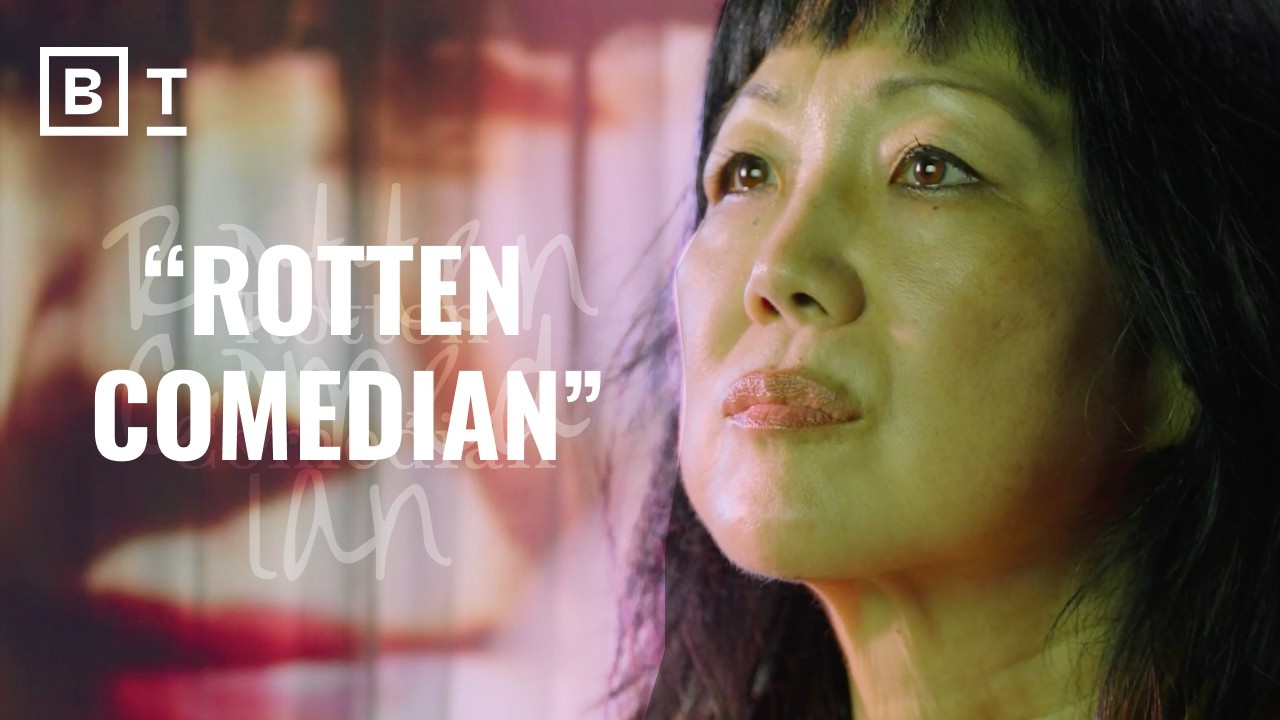
- Margaret Cho observes that her younger self as a stand-up comedian spoke with a higher-pitched voice and frequently ended sentences with questions like "Do you know what I mean?" to seek agreement or assurance. 35s
- The younger version of Margaret Cho struggled with feelings of being out of place, unlovable, unwanted, and not needed. 55s
- Margaret Cho identifies an "original wound" stemming from her father being deported when she was born, which led to her being taken to Korea while her mother remained in America, causing a tragic separation. 1m5s
Early Life Challenges and Comedy
- Growing up in a gay bookstore during the AIDS crisis, where many people around her died and rhetoric suggested gay people were responsible for the epidemic, contributed to a persistent feeling of being unwanted on Earth. 1m20s
- Despite experiencing trauma, including rape and sexual assault at a very young age, Margaret Cho found comedy to be a place of power and safety where an audience could provide protection. 1m55s
The Manifestation of Trauma and Substance Use
- Margaret Cho notes that the trauma from her childhood did not take full effect until later in life. 2m35s
- Later in life, the trauma manifested as a continual need to escape from all feelings and emotions, which she describes as a prison of sensation wrapped in shame and fear. 2m40s
- To remove these sensations, Margaret Cho engaged in heavy drinking and drug use, noting that even comedy can serve as a deflection of emotion. 3m0s
- Humor can function as a distraction or a commotion to prevent individuals from examining their internal state 0s.
Body Image and Professional Pressures
- Looking back, there is a sense of appreciation for one's physical appearance that was absent during youth, a time when feelings of being unattractive or overweight were prevalent 12s.
- The critical inner voice experienced in the past was largely shaped by external pressures, including demands from television show producers to lose weight 26s.
- Societal perceptions of Asian women as petite, quiet, and exotic conflicted with a personal identity that was more crass and suited for comedy rather than family-oriented television 36s.
- The cancellation of the television show All American Girl caused significant distress and worry 55s.
Addiction and the Path to Sobriety
- During the 40s, severe addictions exerted significant control over daily life 1m13s.
- A suicide attempt occurred while under the influence of drugs and alcohol, but the attempt was unsuccessful due to the failure of the shower curtain rod 1m18s.
- Sobriety was achieved through a 22-month stay in a treatment facility 1m36s.
- Sobriety requires the daily confrontation of personal demons and past traumas, such as sexual abuse, rather than using substances to numb or avoid them 1m44s.