

Flaws in the Current Healthcare System
- The current healthcare system is flawed as it focuses on sick care rather than health care, and even when health care is practiced, it is often an archaic process that relies on population averages rather than individualized treatment 10s.
Introduction to Remote Health Monitoring and Wearable Devices
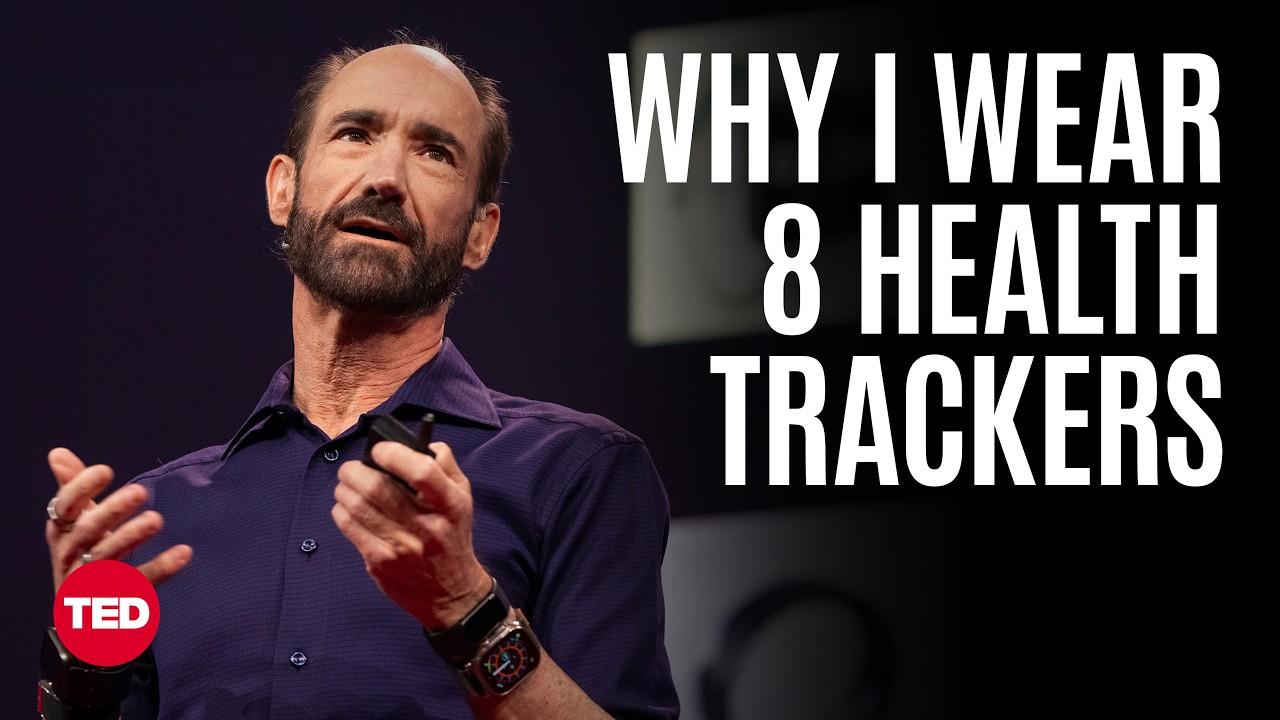
- Remote health monitoring is an area that can be improved, and this can be achieved through the use of wearable devices, such as smartwatches and rings, which can measure various health metrics like resting heart rate, heart rate variability, and blood oxygen levels continuously 2m6s.
- These wearable devices can track health metrics in real-time, allowing for early detection of illnesses, and they have been shown to be effective in detecting conditions like Lyme disease, respiratory viral infections, and COVID-19, often before symptoms appear 4m30s.
Real-Time Detection Systems and Their Applications
- A real-time detection system was built to follow an individual's baseline health metrics and send alerts when there is a significant change, which has been shown to be effective in detecting COVID-19, with a detection rate of 80 percent and a median detection time of three days before symptoms appear 8m20s.
- The detection system is not specific to COVID-19 and can also detect other viral infections, as well as other stressors like workplace stress, and it has the potential to be used as a mental health detector to identify anxiety and depression 10m40s.
Expanding Capabilities of Wearable Devices in Health Detection
- Wearable devices can also be used to detect other health conditions, such as a-fibrillation, a heart condition that can be treated if caught early, and they can even measure red blood cell count, blood glucose, and hemoglobin A1C levels, which are important for diagnosing conditions like anemia, hydration, and diabetes 12m50s.
The Role of Continuous Glucose Monitors in Diabetes Management
- Continuous glucose monitors are powerful devices that measure glucose levels every five minutes, which is crucial in addressing the diabetes epidemic that affects 11.6 percent of people in the US, with 20 percent of them being unaware of their condition, and 38 percent of people being pre-diabetic, with 80 percent of those individuals also being unaware 10s.
- Glucose spikes are associated with cardiovascular disease, which is the number-one killer in the US, and it is essential to catch glucose dysregulation early to prevent diabetes, with some people being normal, having good glucose control, while others are moderate or severe glucose spikers 42s.
Individual Variability in Glucose Response to Food
- Different people spike to different foods, such as bread, pasta, bananas, or rice, with rice being worse than ice cream for most people, and individual results can be determined through experiments where people eat identical amounts of different carbohydrates 2m6s.
- The heterogeneity of type 2 diabetes is due to the complexity of glucose regulation, which involves the pancreas, liver, muscle, brain, and various biochemical pathways, including insulin, GLPs, and other hormonal systems 2m6s.
- Subtypes of glucose dysregulation can be identified through typing for muscle insulin resistance, hepatic insulin resistance, beta-cell defects, and incretin defects, and each person's subtype is unique, determining the foods they will spike to and how to mitigate those spikes 2m6s.
Identifying and Managing Subtypes of Glucose Dysregulation
- The subtype of glucose dysregulation can be determined by drinking a shot of glucose and analyzing the shape of the curve, or using machine learning, which can now be done for $50, and this information can help individuals make informed decisions about their diet and lifestyle 2m6s.
- Knowing one's subtype is essential, as it determines the foods that will cause glucose spikes and the most effective ways to mitigate those spikes, such as eating fat and fiber before consuming certain foods, which can help individuals manage their glucose levels and reduce their risk of developing diabetes 2m6s.
Lifestyle and Dietary Influences on Glucose Levels
- Researchers used continuous glucose monitors and smartwatches to track the effect of lifestyle on glucose levels and discovered that eating the biggest meal in the morning results in lower glucose, while eating it at night leads to higher glucose, and that starchy vegetables cause higher glucose levels than fruits and less starchy foods 10s.
- It was also found that sleeping longer can lower glucose levels, and knowing one's subtype is crucial in determining which lifestyle changes can mitigate glucose-related problems, as well as which medications are most effective, such as those that promote insulin release from the pancreas 42s.
Advancements in Personalized Health Monitoring Through Blood Analysis
- A method was developed to measure 7,000 different molecules from a single drop of blood, allowing for experiments such as tracking the response of 32 people to a common shake, which showed that everyone's response was different, with some experiencing a decrease in carbohydrates, others an increase, and some no change 2m6s.
- The research also showed that inflammation levels varied in response to the shake, with some people experiencing a decrease and others an increase, highlighting the importance of understanding individual responses to food, especially for people with digestive issues 2m6s.
Long-Term Health Correlations and Future Goals of Remote Monitoring
- An individual took a micro sample every hour for seven straight days to correlate their activities with their physiology and biochemistry, revealing thousands of associations, including a correlation between alpha-synuclein, involved in dementia and Parkinson's, and certain stresses 2m6s.
- The ultimate goal of this research is to create a world where people can use remote monitoring technologies, such as sensors and microsampling, to track their health and stay healthy, especially in underserved populations, and to combine these technologies with genome sequencing and other advances to better predict disease risk and manage health 2m6s.