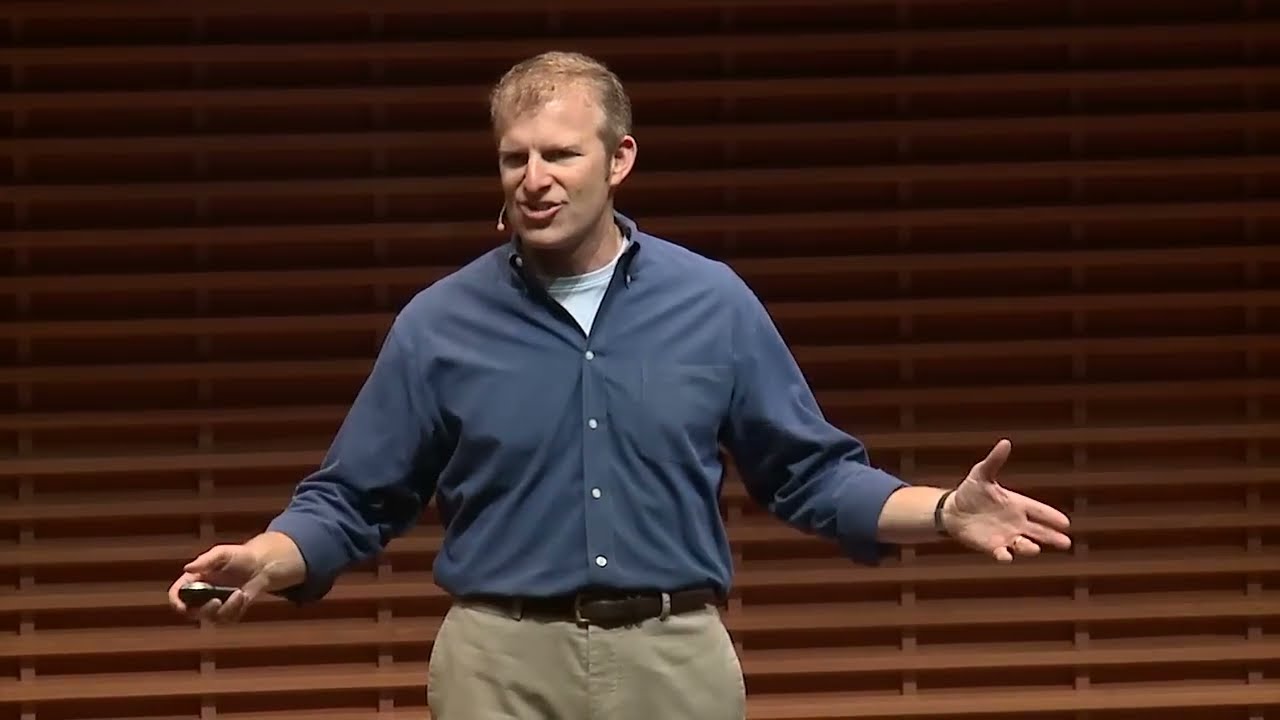


Spontaneous Speaking is More Stressful
- Workshop created to help students respond to cold calls
- Cold calls are when a professor asks a question and students must respond on the spot
- Cold calls cause panic and silence
- Workshop created to address this issue
- Spontaneous speaking is more prevalent than planned speaking
Techniques to Improve Spontaneous Speaking
- Use the "Acknowledge-Reframe-Answer" technique
- Acknowledge the question and show understanding
- Reframe the question to buy time and clarify
- Answer the question confidently and concisely
The Power of Pausing
- Pausing can be an effective tool in communication
- Pausing allows you to gather your thoughts and formulate a response
- Pausing can also create anticipation and engagement from the audience
- Pausing helps to create a more impactful and coherent message
Nonverbal Communication
- Nonverbal cues are important in communication
- Use gestures and facial expressions to enhance your message
- Maintain eye contact to establish connection and build trust
- Body language should be confident and open
Practice Makes Perfect
- Practice spontaneous speaking in low-stake situations
- Gradually increase the difficulty and pressure of the situations
- Practice helps to build confidence and improve communication skills
- Seek feedback and learn from each experience
Be Authentic and Genuine
- Be yourself when speaking spontaneously
- Don't try to be someone you're not
- Show vulnerability and share personal stories
- Being authentic builds trust and credibility
Summary
- Spontaneous speaking is more stressful than planned speaking
- Use the "Acknowledge-Reframe-Answer" technique to respond to cold calls
- Use pausing effectively in communication
- Nonverbal cues are important for conveying your message
- Practice and seek feedback to improve your skills
- Be authentic and genuine when speaking
SPONTANEOUS SPEAKING IS MORE COMMON THAN PLANNED SPEAKING 3m42s
- 85% of people feel nervous when speaking in public.
- It is important to manage anxiety when communicating.
- Making the audience comfortable is the communicator's responsibility.
- Techniques for managing anxiety include acknowledging and greeting it, reframing the speaking situation as a conversation, and becoming present-oriented.
GROUND RULES 15m22s
- Four steps are critical to effective communication.
- Ground rules:
- Be open to learning.
- Participate and engage.
- Create a safe and respectful environment.
- Keep an open mind.
Getting out of our own way [03:22]
- We often hinder our own spontaneous speaking by trying to be perfect and give the right answer.
- We need to get ourselves out of the way and let go of perfectionism.
- One way to practice getting out of our own way is to play a game called "Shout the Wrong Name."
Seeing the situation as an opportunity [10:37]
- Spontaneous speaking situations should be seen as opportunities rather than challenges or threats.
- By reframing the situation as an opportunity, we can be more open and authentic in our responses.
- A game called "Exchange Imaginary Gifts" can help us practice seeing spontaneous speaking situations as opportunities.
Slowing down and listening [17:59]
- To be an effective communicator, we need to slow down and listen to understand the demands of the situation.
- We should be in service of our audience and respond to their needs.
- A game called "Spell What You Say" can help us practice focusing, listening, and responding.
Telling a story [26:43]
- The fourth part of the process is being able to tell a story.
- When telling a story, it is important to have a clear structure and engage the audience.
- We can use the storytelling technique of "show, don't tell" to make our stories more vivid and engaging.
TELL A STORY 38m50s
- Responding in a structured way is key to successful communication.
- Structure increases processing fluency, making information more effectively and efficiently processed.
- Using structure helps with memory recall, just like chunking phone numbers into a structure.
- Introduces two useful structures: problem, solution, benefit and what? so what? now what?
USEFUL STRUCTURE #1 40m14s
- Problem, solution, benefit structure is persuasive and effective.
- Helps the speaker remember and the audience understand the message.
- Provides structure to keep the audience engaged and on track.
- Can be reframed as an opportunity instead of a problem.
USEFUL STRUCTURE #2
- Another useful structure is the what? so what? now what? structure.


