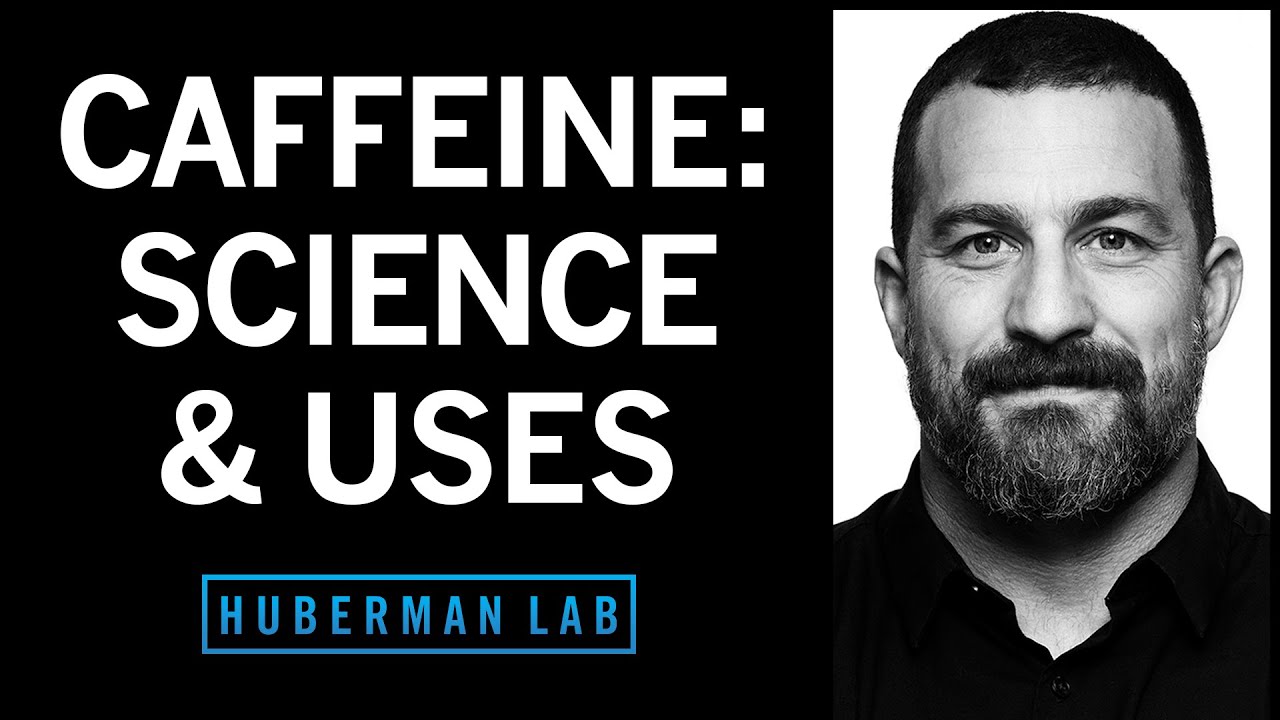


Caffeine 0s
- Caffeine is used by over 90% of adults and about 50% of children.
- Apart from alertness, caffeine reinforces preferences for certain foods, drinks, and even the associated social context.
- Positive effects include neuroprotection, mood improvement, and enhancement of mental and physical performance.
- Negative aspects include the potential for influencing food and drink choices based on caffeine content.
- The discussion is aimed at explaining how caffeine works and how to use it effectively or avoid it for health and performance benefits.
Tool: GLP-1, Yerba Mate, Satiety & Weight Loss 2m58s
- GLP-1, present in the brain and body, is a peptide that reduces hunger by affecting the hypothalamus and the gut.
- It was first found in Gila monsters, which can go long periods without eating due to high levels of GLP-1.
- Yerba maté tea notably stimulates the release of GLP-1 and thus can aid in weight loss by reducing appetite.
- GLP-1 also promotes thermogenesis by converting white fat cells to metabolically active beige and brown fat cells, raising basal metabolic rate.
- Sources of GLP-1 stimulation include yerba maté tea, certain exercises, and prescription GLP-1 analogues.
- The discussion suggests yerba maté as a potentially useful weight-loss tool due to its effects on GLP-1 release.
Levels, Eight Sleep, ROKA, Momentous Supplements 11m6s
- The podcast acknowledges sponsors as part of an effort to share science information at no cost.
- Levels offers a continuous glucose monitoring program to assess the impact of diet on blood glucose.
- Eight Sleep provides smart mattress covers with temperature control for optimal sleep quality.
- ROKA produces high-performance eyeglasses and sunglasses designed for clarity and lightness.
- Momentous is a partner offering a growing library of supplements mentioned in the podcast.
Caffeine Benefits for Mental & Physical Performance 15m23s
- Caffeine is consumed daily by most adults, with noticeable effects if intake timing changes.
- Regular caffeine consumption has neuroprotective effects and increases alertness, motivation, and drive through neuromodulators like dopamine and norepinephrine.
- There is an inverse relationship between caffeine intake and depression, but whether this is due to direct or indirect effects is unclear.
- Caffeine improves mental and physical performance, evidenced by tens of thousands of studies.
- Ingestion of caffeine leads to increased alertness within five minutes, peaking around 30 minutes, and lasting up to 60 minutes.
- Caffeine can be consumed at regular intervals to enhance mental and physical performance during tasks.
- Caffeine notably reduces reaction time, increasing speed and accuracy in response to stimuli and recalling information.
- It activates neural circuits related to learning and memory, making caffeine a powerful performance-enhancing compound.
Caffeine in Nature & Positive Reinforcement 20m23s
- Caffeine in nature acts as a powerful reinforcer of experience, not just alertness or memory.
- It reinforces the association with the context of consumption, like the drink, mug, and company present.
- Reinforcements can be conscious rewards or subconscious, where caffeine releases chemicals that subconsciously enhance preferences.
- A study titled "Caffeine and floral nectar enhances a pollinator's memory of reward" demonstrates caffeine's reinforcing nature.
- Caffeine originates from plants and is present in low concentrations or masked by other flavors.
- Caffeine enhances foraging behavior in bees by making them more alert without affecting their taste preference.
- These reinforcing effects are subconscious, pushing preferences and habitual behaviors.
Caffeine Effects on Brain; Reward Pathways 26m44s
- Caffeine stimulates the release of dopamine and acetylcholine, increasing focus, alertness, and feelings of well-being.
- Unlike typical reward pathways associated with addiction, caffeine affects the forebrain, linked to cognition and alertness.
- Regular caffeine consumption increases dopamine receptors in the brain, enhancing the response to various positive stimuli and experiences.
- Four key ways caffeine affects us:
- Acts as a reinforcing agent, increasing engagement in activities or consumption.
- Boosts dopamine and acetylcholine in the forebrain enhancing cognitive flexibility.
- Increases the number and effectiveness of dopamine receptors in reward pathways, amplifying feelings of pleasure.
- Acts as an adenosine antagonist, offsetting sleepiness from prolonged wakefulness.
Caffeine as a Reinforcing Agent 29m55s
- Caffeine acts as a reinforcing agent, subconsciously compelling humans and animals to consume it.
- Honeybees prefer nectars that contain caffeine, which benefits the symbiosis between them and the flowers.
- Human consumption of caffeine is typically not for the benefit of the plant but for personal benefits.
- Despite caffeine making users feel good, the reinforcing effects are largely subconscious and not fully realized by the consumer.
- In contrast, aversive agents can cause a negative response, leading to avoidance without a conscious understanding of the cause.
- Caffeine leads to the repeated consumption of certain beverages and foods, reinforcing the preference for their taste, even if initially disliked.
- Caffeine influences positive associations with its taste, causing individuals to invest time and finances to obtain it.
- Its direct actions include increasing the release of dopamine and acetylcholine, improving clarity of thought and the ability to rule switch.
- Caffeine increases the number of dopamine receptors in the reward pathway, enhancing feelings of well-being.
- As an adenosine antagonist, caffeine reduces feelings of lethargy and fatigue by blocking the receptors that adenosine would normally activate to induce sleepiness.
AG1 (Athletic Greens) 36m47s
- This supplement drink provides foundational nutritional needs including probiotics for gut health.
- Gut microbiota, crucial for overall health, communicate with various biological systems including the brain and immune system.
- Athletic Greens contain probiotics that support optimal microbiotic health along with vitamins, minerals, and adaptogens ensuring foundational nutrition.
- The speaker personally uses this product, enjoying its taste and convenience, particularly while traveling.
- Sponsorship provides an offer for Athletic Greens, including free travel packs and a year's supply of Vitamin D3K2, through a specific link.
Caffeine, Adenosine & Reduced Sleepiness 38m1s
- Caffeine, a bitter methylxanthine alkaloid, acts as an adenosine receptor antagonist, leading to reduced sleepiness.
- By binding to adenosine receptors in the brain and body, caffeine prevents adenosine from promoting sleepiness and fatigue.
- This results in increased cyclic AMP and a temporary boost in energy perception.
- Consuming caffeine does not create new energy but delays feelings of tiredness by changing the timing of when one feels energetic versus sleepy.
- Caffeine was a transformative discovery that allowed humans to have more flexibility over their sleep-wake cycles, independent of the natural light/dark cycle.
- Shift work became possible with the widespread use of caffeine, but there are known health risks associated with working against the natural circadian rhythm.
- Adenosine accumulation is inevitable and directly proportional to the amount of time awake; caffeine consumption simply postpones the onset of sleepiness by blocking adenosine's effects.
- Caffeine use has become a strategy for most people to manipulate their sleepiness despite it being impossible to fully eliminate adenosine.
- The release of adenosine, a pro-sleep molecule, is a consistent biological process that can only be 'cleared' through sleep, napping, non-sleep deep rest, morning sunlight exposure, or certain forms of intense, brief exercise.
Tool: Caffeine Dosage, Caffeine Adapted 45m16s
- The appropriate dosage of caffeine varies by individual and relates to body weight.
- A general rule is 1 to 3 milligrams of caffeine per kilogram of body weight.
- For example, a person weighing 100 kilograms might ingest between 100 to 300 milligrams of caffeine safely.
- Beginners or those unaccustomed to caffeine should start at the lower end of the suggested dose range.
- Calculation of caffeine intake should focus on individual doses, not total daily consumption.
- Drinking caffeine at different times of the day should be spaced out to avoid excess accumulation.
- Individuals may have a genetic predisposition or a developed tolerance that affects their sensitivity to caffeine.
- Some people are "caffeine-adapted," meaning they can feel both alert and relaxed after consumption.
- Others may feel anxious or experience little effect even at lower doses.
- Beverages from popular vendors may contain unexpectedly high amounts of caffeine, contributing to irritability and headaches if not consumed.
- Consistently high caffeine intake can lead to anxiety, electrolyte depletion, microvasculature disruption, and dependency-related irritability.
- It's important to become aware of one's actual caffeine consumption and consider if it aligns with the healthy range based on one’s body weight.
Tool: Delayed Caffeine Intake, Afternoon Crash & Sleep 53m44s
- Delay caffeine intake until 90 to 120 minutes after waking to optimize alertness and avoid the afternoon crash.
- Consuming caffeine immediately after waking may lead to a dip in energy levels in the early afternoon due to adenosine build-up.
- Caffeine ingested in the afternoon can disrupt nighttime sleep quality, even if it doesn't prevent falling asleep.
- To offset negative effects if caffeine is needed in the afternoon, other strategies can be used.
- Delaying caffeine intake promotes a natural clearance of adenosine and an increased cortisol peak, which enhances alertness and focus.
- Getting morning sunlight increases the cortisol peak by 50%, helping to clear residual adenosine.
- Physical activity in the morning further enhances cortisol levels and helps clear adenosine.
- Drinking caffeine right after waking prevents the full natural increase of cortisol, hindering the clearance of adenosine.
- When caffeine intake is delayed, lower doses are often sufficient, and it can enhance wakefulness throughout the day without additional consumption—leading to better sleep and reduced adenosine levels.
- These practices collectively improve sleep quality and subsequent daytime alertness.
Overall, the guidance is to manage caffeine consumption by delaying it until mid-morning while leveraging natural light and possible physical activity to naturally spike cortisol and clear adenosine, resulting in sustained alertness and better sleep.
Morning Exercise & Residual Caffeine Effects 1h4m46s
- Ingesting caffeine just prior to intense exercise in the morning is acceptable.
- Expect increased early afternoon fatigue due to combining early caffeine intake with morning exercise.
- Regular exercise is crucial, and there are programs that combine resistance, cardiovascular, and flexibility training.
- Delaying caffeine intake 90 to 120 minutes after waking can prove beneficial, but gradually adjusting to this delay might be needed.
- To avoid an afternoon crash, consider having half your caffeine upon waking and the other half an hour later.
- Caffeine has a quarter-life of about 12 hours, so late consumption can disrupt sleep.
Tool: Theanine & Jitteriness; Fasting, Intermittent Caffeine Use 1h7m56s
- Caffeine on an empty stomach is more potent and can cause jitteriness.
- Theanine, at 100 milligrams, can reduce caffeine's jitteriness effect.
- Energy drink and coffee manufacturers add theanine to beverages to mitigate jitteriness and boost consumption.
- Consuming caffeine on an empty stomach can enhance stimulant effects, which is useful if exercising without prior food intake.
- Regular consumers should take a 2-3 day break from caffeine for the most dramatic performance-enhancing effects.
- Intermittent caffeine use, defined as 2-4 times per week, maximizes physical and mental effects.
- To manage mood, alertness, and mitigate jitteriness, consume water with a pinch of salt or electrolytes along with caffeine.
- Hydration with a bit of sodium can prevent jitteriness often mistaken for low blood sugar, which is actually due to sodium excretion from caffeine.
Theanine: Effects & Dosage 1h13m0s
- Theanine is an amino acid found in green tea and available as a supplement.
- It stimulates the glutamate and glutamine pathway and competes for receptors of excitatory neurotransmitters like glutamate, reducing alertness.
- Commonly used to offset caffeine jitteriness, theanine is taken at doses between 200 and 400 milligrams.
- Up to 900 milligrams per day is considered safe, although high doses might increase sleepiness.
- Theanine shows promise in reducing symptoms of depression and anxiety and can enhance blood vessel function.
- It enhances sleep quality, depth, and duration except for individuals prone to vivid dreams or sleep disturbances, who should reduce or eliminate it.
- Theanine's peak effects occur about an hour post-ingestion, so it's not necessary to match its intake with each caffeinated drink throughout the day.
InsideTracker 1h18m41s
- InsideTracker is a personalized nutrition platform analyzing blood and DNA for health optimization.
- It helps interpret blood and DNA tests, suggesting interventions to improve health markers.
- InsideTracker offers a 20% discount through insidetracker.com/huberman.
Other Effects: Osteoporosis, Hormone Levels, Depression 1h19m45s
- No direct relationship between caffeine intake and osteoporosis if adequate calcium is ingested.
- Myths about caffeine decreasing testosterone or estrogen are unfounded; no consistent hormonal changes found.
- Studies on humans are challenging due to prevalent caffeine use and other lifestyle factors.
- Caffeine increases sex hormone binding globulin (SHBG) slightly reducing free testosterone and estradiol levels; effects are minor.
- Caffeine's impact on SHBG should be considered, with consumption not to excess to avoid blunting action of sex steroid hormones.
- Testosterone and estrogen can influence gene expression, hence maintaining their free levels is critical.
- Proper dosages of caffeine appear to have mental and physical performance benefits and can improve hormone profiles.
- Studies, including one titled "Inverse association between caffeine intake and depressive symptoms in US adults," show that caffeine may protect against depressive symptoms.
Afternoon Caffeine & Sleep 1h27m41s
- Sleep is essential for physical and mental health, superior to all other health-promoting tools.
- Aim for quality sleep on 80% of nights; avoid caffeine 12 hours before sleeping.
- Caffeine quarter life is 12 hours, which affects sleep quality by disrupting slow-wave sleep and emotional processing.
- Limiting caffeine consumption to early in the day is recommended.
- Deep sleep, or slow-wave sleep, is crucial for growth hormone release, tissue repair, metabolism, and immune function.
- Caffeine and performance are linked, but the focus should be on timing and moderation to avoid sleep disruption.
Tool: Caffeine & Mental/Physical Performance; Cortisol & Caffeine Abstinence 1h31m45s
- Caffeine has been recognized as a performance enhancer for mental and physical tasks since the 1930s.
- Intake of 1 to 3 milligrams of caffeine per kilogram of body weight can improve reaction time, coordination, memory, mood, alertness, focus, physical dexterity, power output, endurance, and feelings of well-being.
- There is also evidence that caffeine can enhance memory performance when taken after exposure to material.
- Most adults consume caffeine, making it challenging for researchers to find control groups.
- Studies often measure the effects of caffeine in those who are deprived of it and possibly experiencing withdrawal symptoms, potentially exaggerating its benefits.
- The timing of caffeine consumption is critical, with consumption shortly after an early-morning cortisol peak being beneficial.
- A study showed that daily caffeine intake reduces but doesn't eliminate cortisol responses to caffeine.
- Abstaining from caffeine for five days and then consuming it around 90-120 minutes after waking can amplify its alertness-promoting effects.
- Periods of caffeine abstinence can enhance the performance effects of caffeine, especially for physical performance.
- A study demonstrated that tolerance to the performance benefits of caffeine can develop over 20 consecutive days of intake, while abstinence resumes these effects.
- Abstinence for even two days can improve the ergogenic effects of caffeine on the third day for regular caffeine users.
- Michael Pollan's book on caffeine describes his own abstinence experience, highlighting the substantial impact caffeine had on his day-to-day functioning.
- Individuals not accustomed to caffeine should avoid it on important mental or physical challenge days due to potential negative effects like anxiety or jitteriness.
- It's advised to experiment with caffeine's effects during training to establish a practical abstinence routine before a significant mental or physical challenge.
Caffeine, Performance & Menstrual Cycle 1h46m4s
- Research indicates caffeine boosts peak aerobic cycling power regardless of menstrual cycle phase.
- Two studies explored caffeine's effects: the relation to menstrual function, and its ergogenic effects.
- No menstrual cycle phase-dependent effects of caffeine on performance were found.
- 3 mg of caffeine per kilogram of body mass is suggested as an ergogenic aid.
Tool: Memory & Caffeine Timing; Adrenaline & Cold Exposure 1h47m27s
- Caffeine (1-3 mg/kg body weight) taken before studying or learning can enhance retention and focus.
- Adrenaline spikes after learning have been shown to greatly enhance memory retention.
- Historical practices utilized adrenaline spikes (e.g., cold water exposure) to improve memory.
- Adrenaline and catecholamines solidify memories when they spike after an experience.
- Adrenaline can be increased through caffeine consumption, deliberate cold exposure, or intense exercise.
- Using caffeine post-learning rather than during can enhance memory for the material.
- To boost memory encoding, it's suggested to abstain from caffeine prior to learning, then consume caffeine afterward.
- Combining caffeine with cold exposure or intense exercise post-learning may enhance memory retention further.
- Research supports that increased catecholamines after an experience improve memory encoding.
Caffeine & Naps 1h54m8s
- The "nappuccino" (caffeine before napping) trend contradicts with advised early-day caffeine intake.
- Caffeine in the afternoon can disrupt sleep and is less recommended compared to napping or non-sleep deep rest (NSDR).
- Naps should be 90 minutes or less; NSDR can improve mood, focus, and alertness without caffeine.
- Caffeine before a nap or NSDR can diminish the restorative effects of these practices.
- Feedback is requested from listeners who have benefited from the nappuccino to share their experiences.
Tool: Exercise, Caffeine, Dopamine & Positive Reinforcement 1h56m34s
- Caffeine enhances physical performance by reinforcing positive associations with activities such as exercise.
- A study titled "Blood dopamine level enhanced by caffeine in men after treadmill running" supports the reinforcing effects of caffeine.
- Exercise increases healthy levels of cortisol, neurotransmitters like dopamine, and hormones that benefit the musculoskeletal and cardiovascular system.
- Combining caffeine intake (3 mg/kg body weight) with exercise boosts dopamine levels further than exercise alone.
- This increase in dopamine from caffeine improves focus, alertness, and motivation, during and after exercise.
- Caffeine makes the exercise experience more enjoyable and rewarding, encouraging a positive feeling towards physical activity.
- Caffeine's reinforcing properties are subconscious and not limited to physical performance but extend to mood and overall well-being.
- It can help those who are less inclined to exercise by making it a more positive experience and thereby improving consistency in exercising.
Dopamine Stacking 2h1m55s
- Dopamine stacking involves combining activities and substances that increase dopamine release.
- While dopamine can be increased by positive surprises, wins, or certain substances, it can also lead to a crash below baseline levels when stacked excessively.
- Regularly stacking dopamine highs, like intense workouts with caffeine and other stimuli, can lead to decreased motivation and mood once effects wear off.
- Cautious use of caffeine before exercise is suggested, paying attention to mood levels after the dopamine increase from caffeine subsides to prevent negative effects.
- Occasional caffeine use before exercise is fine but should not become a consistent habit in order to protect baseline dopamine levels.
Scheduling Caffeine to Maximize Its Effects 2h6m4s
- Consuming caffeine on an every-other-day basis can maximize its positive effects while avoiding withdrawal symptoms or tolerance.
- An every-other-day schedule aligns with caffeine's half-life and its impact on dopamine and performance without the drawbacks seen with daily consumption.
- The idea is to use caffeine on resistance training days, which are spaced to allow for rest.
- This schedule is based on literature review and is considered a scientifically grounded approach to leverage caffeine's benefits.
- It is encouraged for individuals to share their experiences with this protocol to broaden the understanding of its effectiveness.
Pro-Health Effects of Caffeine 2h8m33s
- Caffeine has well-understood health benefits, but disrupting sleep with caffeine intake can undermine these benefits.
- Regular caffeine consumption may help reduce the risk of developing Parkinson's and Alzheimer's by increasing neurotransmitter release and receptor robustness.
- Enzymes associated with dopamine neuron health are made more robust through regular caffeine ingestion.
- Caffeine enhances the number of dopamine receptors, aiding the effect of remaining dopamine neurons in aging or Parkinson's.
- It also has beneficial effects on acetylcholine systems disrupted in Alzheimer's dementia.
- Additionally, caffeine has been found to diminish headaches when taken with aspirin and temporarily alleviate asthma symptoms.
- Consumption of caffeine improves focus and alertness, especially in individuals with attention-related disorders like ADHD, due to its impact on dopamine transmission in the prefrontal cortex.
Tool: Sugar Cravings & Reinforcing Effects of Caffeine 2h13m38s
- Caffeine has reinforcing effects that can influence preferences for certain foods or beverages.
- Studies show caffeine can create preferences even when the individual cannot distinguish taste differences, as with children preferring flavored yogurts with caffeine.
- Caffeine-associated reinforcement can be leveraged to increase or decrease appetites for certain foods, such as reducing sugar cravings by avoiding concurrent caffeine intake.
- It can also be used intentionally to create preferences for healthier options, exemplified by someone using caffeine tablets to develop a liking for herbal tea.
- Caffeine's versatility includes offsetting sleepiness, increasing VO2 max, muscle contractability, and enhancing focus, mood, and mental and physical performance.
- Understanding caffeine's reinforcing properties allows individuals to use it strategically to meet their health and performance goals.