

Free Will and Determinism
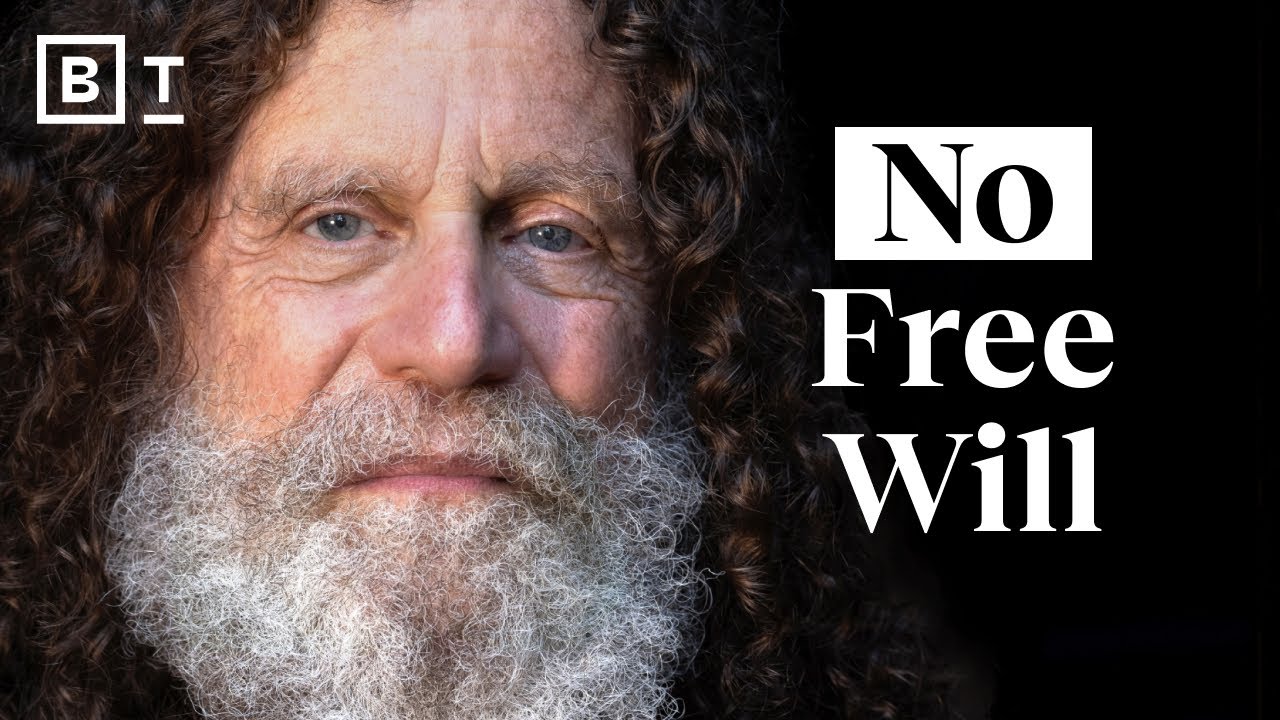
- Dr. Robert Sapolsky argues that our behavior is the product of past experiences and interactions with the environment, and that there is no room for the everyday intuitive notion of free will.
- The concept of 'distributed causality' explains the multitude of factors that influence human actions and decisions, including neural activity, environmental stimuli, hormone levels, brain plasticity, childhood experiences, fetal life, genes, and ancestral culture.
- Various factors can influence decision-making, including hunger, tiredness, fear, stress, environment, time of day, and even a person's skin color or gender.
- The criminal justice system should focus on protecting society from harmful individuals rather than blaming or punishing them.
The Complexity of Free Will
- The concept of free will is complex and involves the idea that we can change our behavior and learn from our experiences.
- The emergence of artificial intelligence raises questions about free will, as these systems can exhibit behaviors that feel intentional.
- The notion that free will is an emergent property of complex systems is problematic because it requires the emergent level to alter the behavior of the simple component parts.
Cultural and Environmental Influences
- Cross-cultural differences, such as collectivist vs. individualist cultures, can impact neural patterns and psychological traits.
- Different cultures have different child-rearing practices that shape children's brains and behaviors.
- Environmental factors such as geography and climate can also influence cultural values and child-rearing practices.
Implications for Society
- Blame and punishment, as well as praise and reward, are not logically sound concepts in a world where everything is determined by biology and environment.
- Society needs to protect people from incompetent individuals performing difficult tasks by ensuring they receive proper training and motivation.
- Motivating individuals to excel without creating a sense of entitlement or superiority is a challenging problem.