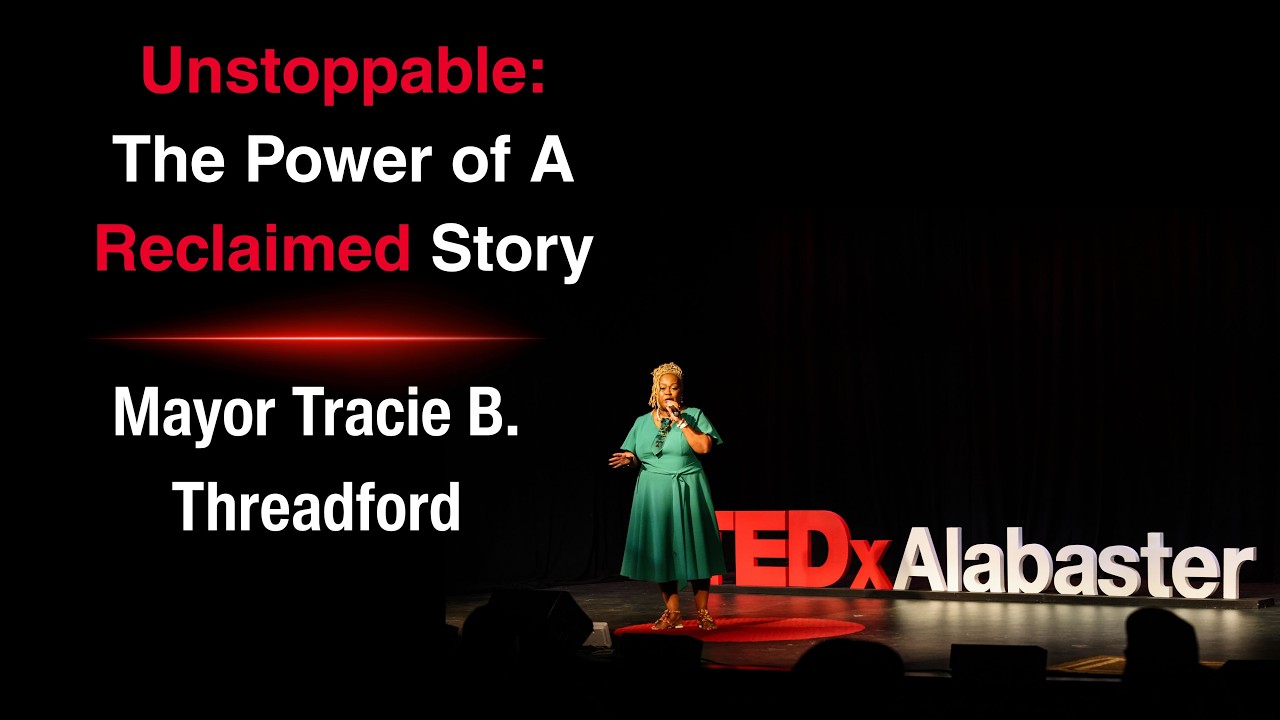


The Mayoral Campaign Scandal
- An individual experienced a situation where someone attempted to use their past against them to prevent them from achieving a goal. 0s
- During their 20s, the individual worked as an exotic dancer to provide for their five children. 42s
- Information regarding this past employment, which the individual had previously made peace with, was shared in confidence but subsequently turned into a pamphlet by another party. 55s
- This pamphlet was strategically distributed throughout the city where the individual was running for mayor, with the specific intent of causing voters to doubt their candidacy and disqualify them. 1m15s
- The individual learned about the distribution of the pamphlet on a Sunday afternoon in August, just days before the election. 1m50s
- Despite the attempt to use their past as a weapon, the individual successfully won the mayoral election. 1m30s
Principles of Narrative Reclamation
- The individual emphasizes that a story reclaimed on one's own terms can become a source of personal power rather than a tool for destruction. 2m15s
- Three key principles for reclaiming one's story include granting oneself permission to stop managing the narrative in secret, recognizing that the past is a credential rather than a disqualifier, and finding the practical courage to reclaim the story. 2m30s
Processing the Breach of Trust
- Before entering the political arena, the individual had experienced various mistakes and difficult seasons, leading them to become adept at curating and editing the version of their life presented to the world. 2m50s
- The individual clarifies that they were never ashamed of their past, but rather felt violated by the breach of trust that occurred when their story was exposed without their consent. 3m30s
- The core issue was not the information itself, but the loss of the right to choose when and how to share their own history. 4m5s
- Upon the exposure of their past, the individual briefly considered giving up, as feelings of doubt and inadequacy were triggered by the situation. 4m20s
- The individual ultimately chose to continue their path because they remained committed to their purpose and felt supported by community members who valued their presence and dedication. 4m45s
The Power of Authentic Storytelling
- Choosing to reclaim one's own narrative rather than allowing a weaponized version of a personal story to prevail can lead to unexpected, positive outcomes 0s.
- When a person is exposed, others often respond with empathy rather than rejection because they recognize the individual's humanity, resilience, and authentic strength 15s.
- Reclaiming a story involves asserting the right to be the sole narrator of one's own experiences 42s.
- Shame is described as a locked door that loses its power as a weapon when an individual chooses to open it on their own terms and in their own voice 53s.
Overcoming the Burden of Secrecy
- Many people expend significant energy managing, hiding, or deflecting from past experiences that they fear others might discover 1m8s.
- Focusing on keeping a "door" to the past shut prevents individuals from moving forward, as the struggle itself is a credential rather than a disqualifier 1m35s.
- People are more likely to trust and follow leaders who demonstrate vulnerability and honesty about their struggles rather than those who only present a "highlight reel" 1m52s.
- The first step to reclaiming a story is to stop managing it in secret, as the effort required to curate a public image is exhausting and hinders personal growth 2m18s.
Steps to Reclaiming Personal History
- The second step is to recognize that sharing a difficult chapter of one's life can provide evidence and hope to others who are currently experiencing similar challenges 2m42s.
- The third step is to reclaim the narrative out loud, ensuring that the story is told with clarity and context to prevent it from being used as a weapon by others 3m2s.
Transforming Shame into Resilience
- A story told in shame can be used against an individual, whereas a story told with purpose serves as personal armor 3m20s.
- Trust is built on truth, specifically when a leader admits to not having everything figured out but remains committed to the process 3m35s.
- The attempt to use a story to destroy an individual can instead end a hidden, weaker version of that person, allowing a more resilient version to emerge 3m52s.
- A story that was intended to break an individual can, when reclaimed, serve as preparation and make that person unstoppable 4m15s.