

The Limitations of Long-Term Goal Setting
- Leila Gomez, a single immigrant Cuban mother, taught the importance of winning as a core life lesson. 0s
- Personal shortcomings are attributed to individual choices, while positive qualities are credited to the influence of a mother who passed away from cancer. 0s
- The concept of discussing long-term goals, such as college applications, on the first day of kindergarten is presented as an absurd expectation for a five-year-old. 42s
- While long-term goals can serve as a "North Star," they possess an inherent flaw because they take a significant amount of time to achieve, which can impact the likelihood of success. 1m35s
The Progress Principle and Small Wins
- Early childhood education utilizes a gamified approach where small, frequent rewards—such as stickers or lollipops—are given for minor achievements like spelling a name or identifying colors. 2m6s
- As individuals age, the focus shifts away from these small, immediate rewards toward prioritizing long-term goals. 2m6s
- The primary factor contributing to success in business and other life areas is the relentless pursuit of short-term goals over an extended time horizon. 2m35s
- Research from Harvard Business School, which analyzed nearly 12,000 daily diary entries from hundreds of employees, identified "progress" as the single greatest motivator, surpassing money, relationships, and fame. 2m55s
- The "progress principle" suggests that small, consistently repeated wins can significantly enhance motivation, creativity, productivity, and long-term performance. 3m15s
- Long-term goals remain necessary for endeavors like building a business, raising a family, or improving health, but they are insufficient for navigating difficult daily challenges. 3m30s
- Stacking small wins is essential for maintaining momentum during periods when life is difficult and progress feels stagnant. 3m45s
Foundational Victories and Public Perception
- Successful people are often only recognized for their final achievements, such as starting in a garage, rather than the incremental steps taken to reach that point. 4m5s
- Public perception of success often focuses on major milestones, such as building a million-dollar company, while overlooking the thousands of small, unseen victories that precede them 0s.
- Early-stage entrepreneurial efforts, such as securing initial customers, paying bills on time, or persisting through difficult days, often feel insignificant at the time but are foundational to long-term success 25s.
- Success is not a single, giant breakthrough but rather the result of stacking tiny victories that compound over time 55s.
Psychological Benefits of Incremental Progress
- According to the National Library of Medicine, achieving small goals triggers the release of dopamine in the brain, which reinforces behavior and encourages continued effort 1m5s.
- Small wins provide psychological evidence of capability and progress, which makes consistency easier to maintain over time 1m35s.
- Relying on motivation is often unreliable, whereas building systems that make winning habitual fosters the discipline and sustained action necessary for long-term success 2m5s.
- Short-term goals are essential because they create momentum and facilitate a shift in identity, moving an individual from someone who is "trying to succeed" to someone who "does succeed" 2m25s.
- When training for a long-term goal like a marathon, focusing on incremental, attainable steps—such as simply putting on running shoes or running for a short duration—is more effective than focusing solely on the final outcome 2m45s.
- Success in long-term endeavors is often driven by the ability to experience wins throughout the training process rather than waiting to celebrate only at the end 3m20s.
Sustaining Motivation Over Long Horizons
- A common obstacle in goal setting is the tendency to overestimate what can be accomplished in the short term, such as one or two months, while underestimating what can be achieved over a five-year period 3m45s.
- Five years of consistent effort can lead to significant changes, such as gaining extensive knowledge through daily reading, transforming one's body through exercise, or strengthening relationships through intentional action 0s.
- It is difficult for humans to emotionally sustain a five-year commitment if they only permit themselves to feel successful at the final conclusion 15s.
- Human beings require reinforcement and proof of progress to maintain motivation 23s.
Case Studies and Practical Application
- In 1981, researchers Albert Bandura and Dale Schunk conducted a study on children struggling with mathematics to compare the effectiveness of different goal structures 33s.
- The study divided children into two groups: one group worked toward a single goal over a six-month period, while the second group received constant daily rewards 42s.
- While the benefits of constant rewards may seem obvious, people often lose sight of the importance of celebrating small steps while pursuing long-term objectives 52s.
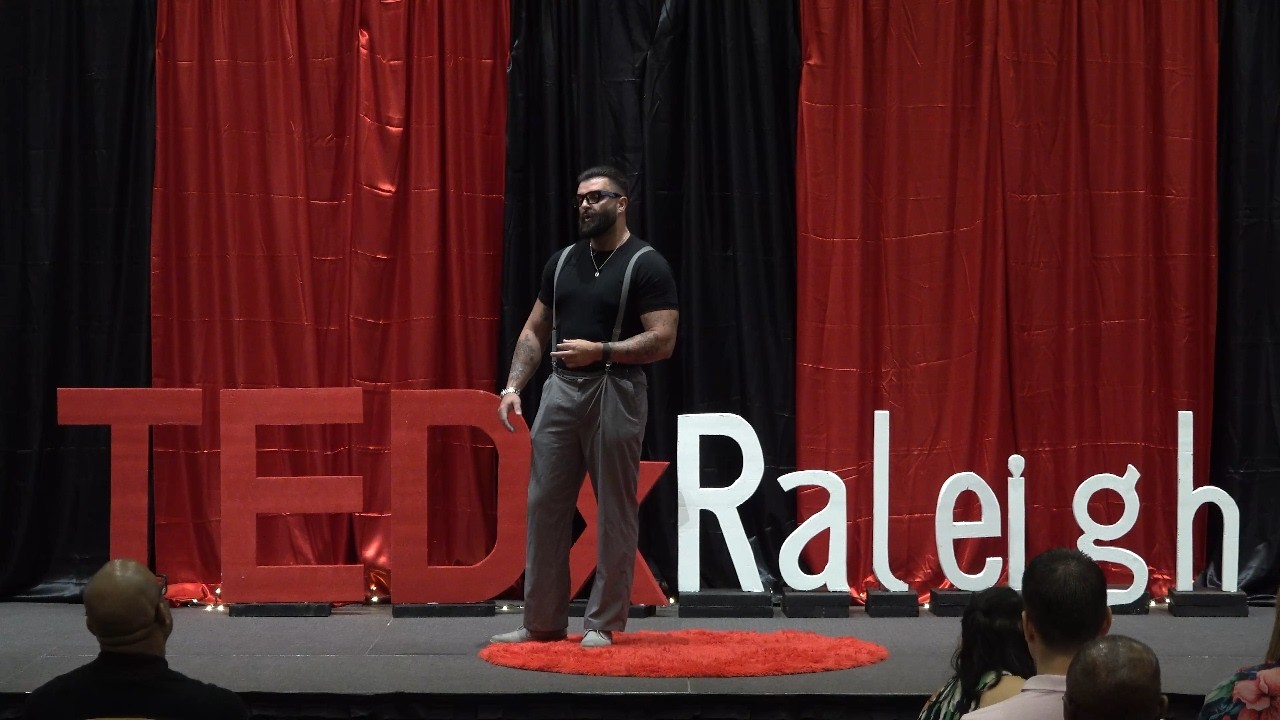
- During the preparation for a TED Talk, an initial focus on the final event in August caused a failure to celebrate smaller milestones, such as writing a satisfactory paragraph or receiving positive feedback from a friend 1m2s.
The Necessity of Celebrating Small Victories
- Obsessing over a distant end goal can lead to a feeling of stagnation, where one feels as though no progress has been made during the intervening time 1m15s.
- Regardless of the context—whether in romance, business, science, or school—humans have an innate desire to feel like winners, though they often lose the ability to achieve this as they grow older 1m25s.
- Learning how to "win small" and celebrate those incremental victories is a vital lesson for maintaining progress and motivation throughout life 1m45s.