Digital Organization Principles and Frameworks
- Digital file organization can be improved by conducting an after-action review to determine how a specific file was located and then adjusting the system to enhance future findability. 0s
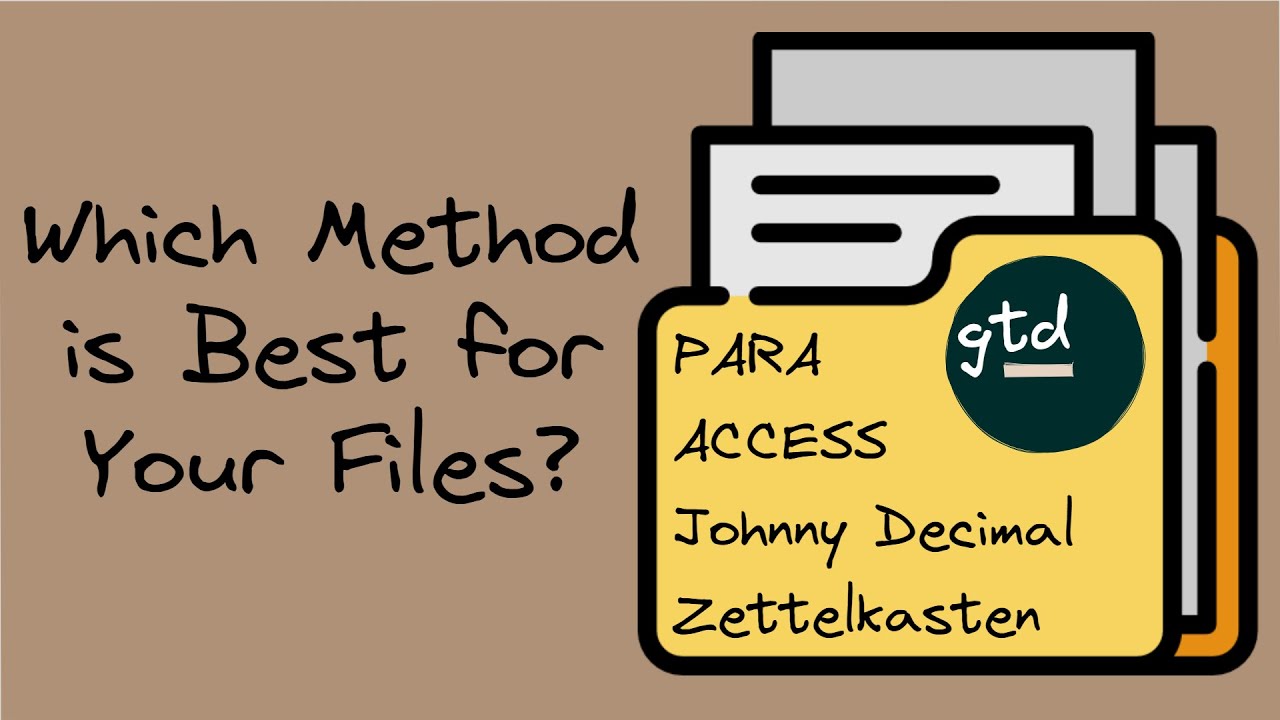
- Five primary systems for organizing digital files include PARA, ACCESS, Johnny.Decimal, Zettelkasten, and GTD (Getting Things Done). 25s
- These organizational systems are compatible with various knowledge management tools, such as Obsidian, Evernote, OneNote, Logseq, and Chrome. 35s
- A effective folder structure should align with an individual's workflow to facilitate easy access to information, reduce clutter, and prevent file duplication. 1m45s
The PARA Method
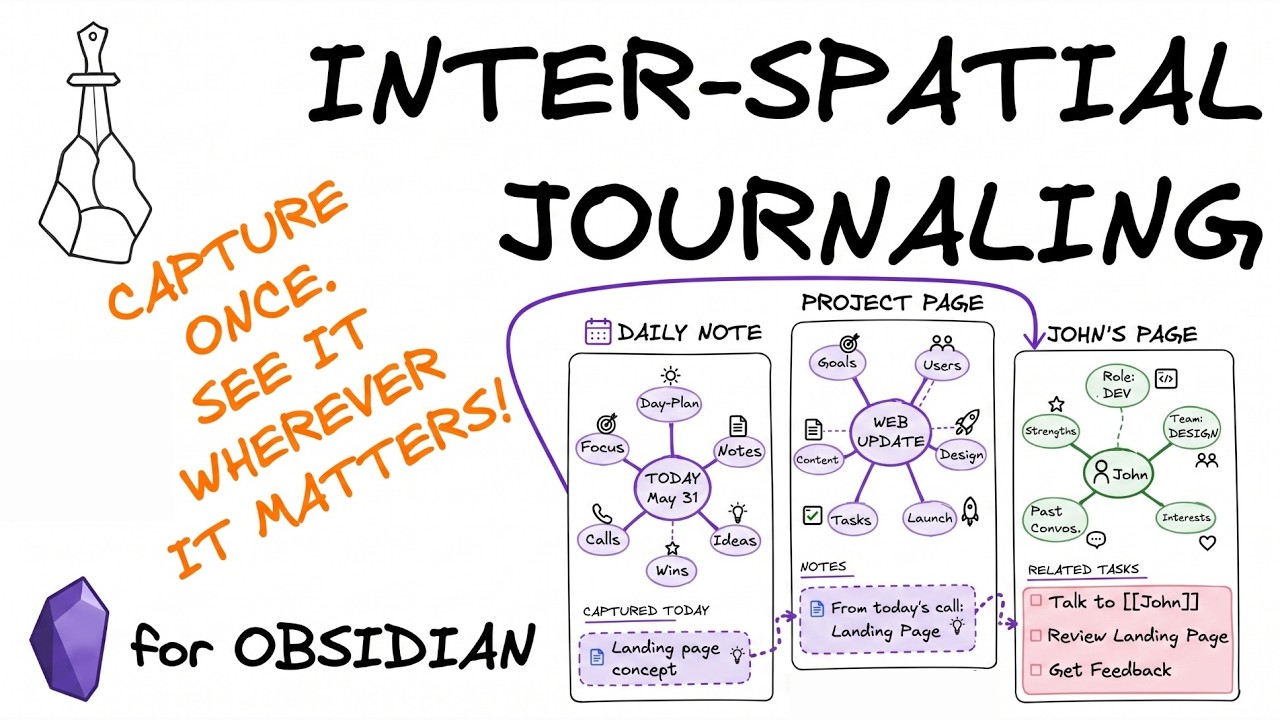
- Nick Milo’s ACCESS system utilizes both links and folders to balance knowledge management with actionable tasks. 2m6s
- The PARA method, developed by Tiago Forte, is a folder-based, action-oriented system that categorizes files into four areas: Projects (immediate tasks), Areas (long-term responsibilities), Resources (topics of interest), and Archives (completed or inactive items). 2m15s
- To categorize files using the PARA method, one should determine if the file is useful for an active project, then an area of responsibility, and finally a resource or archive. 3m15s
The Johnny.Decimal System
- David Allen’s GTD system focuses on organizing reference information in a filing cabinet while tracking actions through the use of lists. 2m15s
- The Johnny.Decimal system, created by John Noble, is a folder-based method that uses a numbering scheme to create a consistent and logical archive. 2m15s
- The first step of the Johnny.Decimal system involves dividing all information into a maximum of 10 broad, high-level areas, each assigned a number from 10 to 90. 4m15s
- Zettelkasten is a link-based system that prioritizes knowledge management and the exploration of ideas. 2m15s
- The Johnny Decimal System organizes files by dividing areas into a maximum of 10 granular categories, each assigned a number from 0 to 9. 0s
- Files in the Johnny Decimal System are named with a descriptive title, the area and category numbers, and a sequential ID number, which can be tracked in a separate index file. 7s
- The Johnny Decimal System can be extended to emails, digital tools like Obsidian or Roam, and multi-project environments by adding a project layer with three-digit ID numbers at the root of the file system. 35s
The ACCESS Framework
- The ACCESS framework, created by Nick Milo, organizes information into seven folders: Atlas, Calendar, Cards, Extras, Sources, Spaces, and Encounters. 1m5s
- Within the ACCESS system, Atlas stores high-level nodes and maps of content, Calendar tracks time-based information, Cards holds ideas and insights, Extras contains support materials, Sources stores external knowledge, and Spaces represents different life areas. 1m25s
- The ACCESS structure is designed to manage both knowledge and action, with knowledge positioned at the top and action at the bottom to provide clear file functions. 2m5s
Flat File Structures
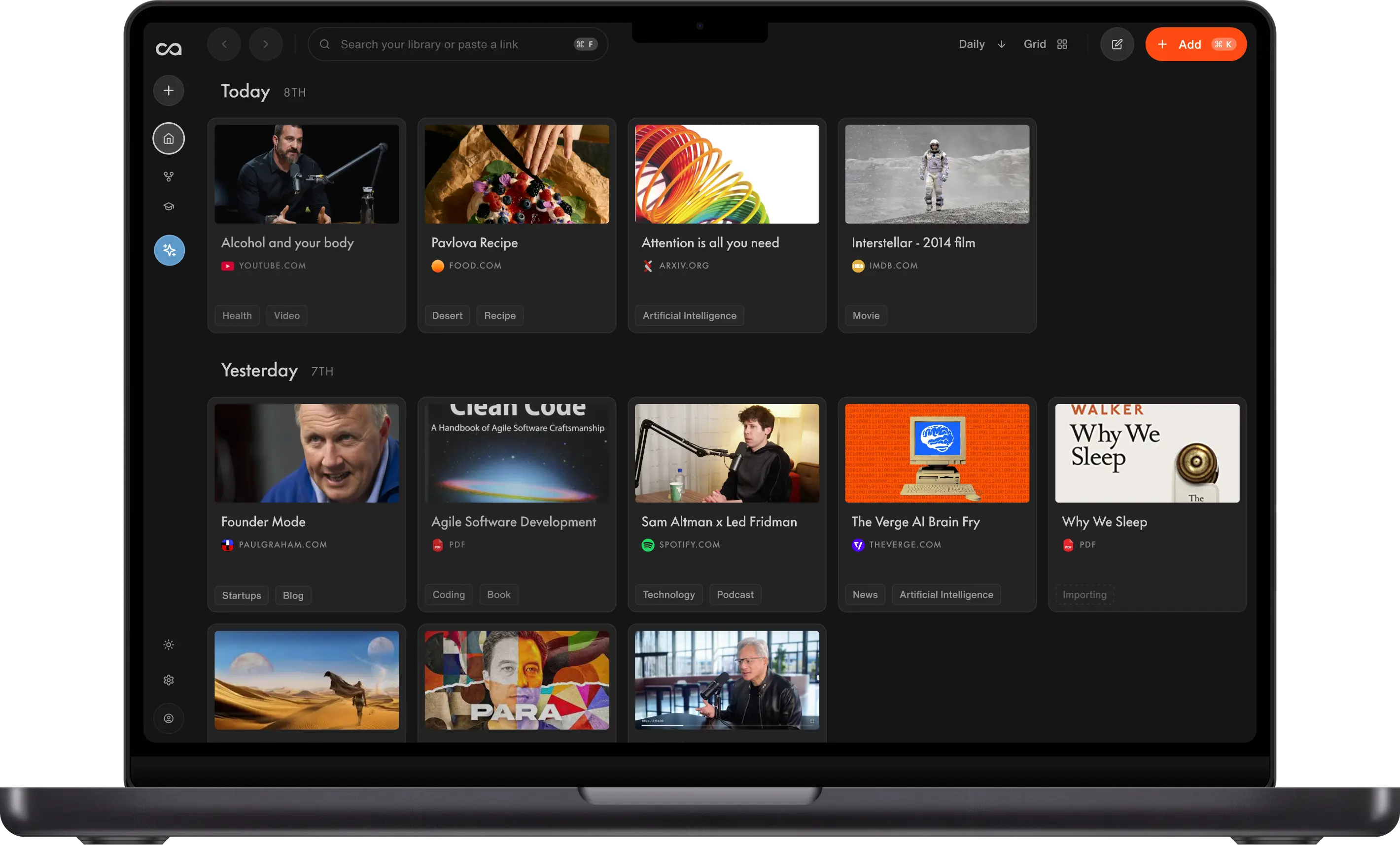
- A flat file structure stores all files and folders at the same level without subfolders, emphasizing file naming and linking over complex hierarchies. 2m21s
- Systems such as The Brain, Roam, and Loxac utilize flat file structures, which can reduce time spent managing folder hierarchies and facilitate easier linking. 2m35s
- In a flat file structure, naming conventions like using the date in a year-month-day format are important, and maps of content files can be used to maintain organization. 2m55s
Advanced Knowledge Management Techniques
- David Allen’s Getting Things Done (GTD) method suggests an alphabetical approach for physical reference documents, where each topic is stored in a labeled folder. 3m12s
- Zettelkasten nodes can be managed in digital systems using tools like the folder node plugin in Obsidian or the automatic folder creation feature in The Brain to store attachments. 3m25s
- Organizing systems like Pera, Johnny Decimal, ACCESS, Zettelkasten, and GTD offer various methods for managing knowledge, actions, and the balance between linking and folder-based organization. 3m45s
- Personal reflections on file organization suggest that reference numbers are useful for cross-platform connections, while flat structures encourage a focus on linking. 4m5s
- Zettelkasten helps prevent orphan notes by requiring new items to be placed within existing chains, and an inbox—such as the Encounters folder in ACCESS or the GTD inbox—is considered a crucial component of a Personal Knowledge Management (PKM) system. 4m25s
Strategies for Effective File Management
- Viewing a file path as a namespace rather than a storage location can be helpful, and using folder notes as maps of content for specific folders is a viable organizational strategy. 4m40s
- Moving files between folders, such as in the Pera system, can be avoided by using metadata, though existing digital environments often contain legacy nodes that limit the implementation of new organizational approaches. 5m0s
- Effective note organization involves more than just folders and file names; it also incorporates tags, links, templates, ontology, maps of content, dynamic lists, geotags, and daily notes. 5m25s