

Family Business Longevity and History
- Research indicates that only 15% of family businesses successfully survive beyond the second generation, often due to marketplace challenges, internal rivalries, or greed 0s.
- The Antinori family of Italy has maintained their wine business for six centuries, currently farming 5,000 acres of vineyards 0s.
- Historically, the Italian wine industry was dominated by men, with women in families like the Antinoris traditionally expected to marry rather than work 35s.
- Albiera Antinori and her sisters, Allegra and Alessia, are the first women in 26 generations to hold significant roles within the family enterprise 42s.
Geographic Reach and Historical Origins
- The Antinori family domain includes vineyards in Tuscany and Umbria, as well as property in California's Napa Valley 1m25s.
- The earliest documented evidence of an Antinori ancestor involved in wine production dates back to 1385 1m33s.
Patriarchal Management and Historical Practices
- Piero Antinori, the 70-year-old patriarch who holds the title of Marchesa, manages family decisions from an antique desk dating to the Renaissance 1m40s.
- In Florence, the family historically operated a small window in their cellar where a cellar master would sell Chianti wine directly to customers, a practice that continued until approximately two centuries ago 1m55s.
Historical Challenges and Family Influence
- Over 623 years, the family business has persisted through various challenges, including war, plague, political intrigue, and changing consumer preferences 2m12s.
- Throughout history, members of the Antinori family have been involved in diverse sectors of Italian life, including business, politics, and the church 2m20s.
- In 1576, an Antinori family member was strangled by the Grand Duke of Tuscany, Francesco de Medici, due to his romantic interest in the Duke's wife, Bianca 2m35s.
- During the 1700s, the family secured Pope Clement XII as a customer, who frequently ordered their wine and commissioned the construction of the Trevi Fountain in Rome 2m45s.
Gender Dynamics and Succession Challenges
- The Antinori family history, documented over 26 generations, contains limited information regarding the women of the family, as historical records often excluded them unless they were considered exceptional 0s.
- Albiera, Allegra, and Alessia Antinori noted that their experience in agriculture education was male-dominated, with only two women in their university program in Milan 25s.
- For six centuries, the leadership of the Antinori business was traditionally passed from father to son 42s.
- Due to the absence of a male heir, the Marchese sold a significant stake in the company to the British firm Whitbread to ensure the business's continuity 48s.
Partnership Conflicts and Return to Family Ownership
- The partnership with Whitbread was unsuccessful due to conflicting philosophies, as the British company prioritized quick profits while the Marchese insisted on traditional, time-intensive winemaking processes 1m12s.
- The Marchese eventually repurchased the shares from Whitbread, returning the company to full family ownership after observing his daughters' interest in the business 1m23s.
Modern Operations and Business Philosophy
- Albiera, Allegra, and Alessia are now actively involved in the growth, promotion, and marketing of Antinori wines 1m40s.
- The company produced 17 million bottles of wine in the previous year, generating 200 million dollars in revenue 1m44s.
- Despite the modern scale of the business, the family identifies primarily as farmers who value the countryside over city life 1m55s.
Palazzo Antinori and Family Traditions
- The family resides and operates their business out of the Palazzo Antinori in Florence, a property they have held since 1506 2m35s.
- Quality control is maintained through regular wine tastings, which often occur during family lunches at the Palazzo 2m22s.
- The family maintains a private chapel, the Cappella Antinori, located near the Palazzo, which houses the tomb of dynasty founder Alessandro Antinori 2m45s.
Winemaking Estates and Production Processes
- The Marchese commutes by air to the Tignanello vineyard, where the family produces their signature red wines 3m5s.
- Successful winemaking for the family requires significant patience, as it can take up to 10 years from the planting of a new vine to the market release of the wine 3m20s.
- In addition to Tignanello, the family owns other estates, such as Castello della Sala, situated between Rome and Florence 3m38s.
Field Experience and Estate Management
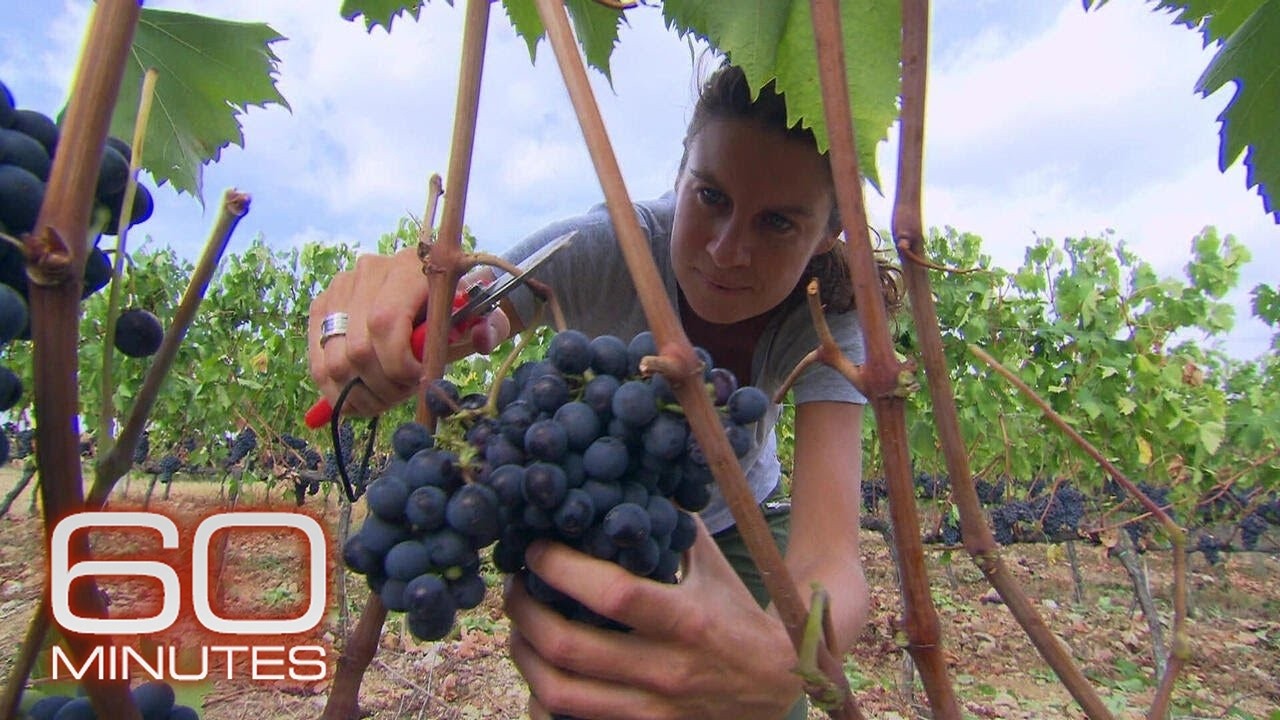
- Albiera began her career in the family wine business after high school by working as a field hand in the vineyards, which allowed her to gain a foundational understanding of the entire production process 0s.
- The Antinori family owns the Guado al Tasso estate on the Tuscan coast, which features a private stable and a horse training track located within the vineyards 15s.
Quality Standards and Long-term Vision
- Albiera acknowledges that she is spoiled by her lifestyle but maintains that the family appreciates the assets they possess 28s.
- The family operates under the principle that nature dictates the quality of the wine, leading them to forgo bottling most of their 2002 crop because it did not meet their standards 36s.
- The Antinori family periodically inspects their wine while it ages in the cellars to determine if it is ready for release or requires further time to mature 52s.
- Despite occasional offers from outside parties to purchase the business, the family chooses to maintain ownership, citing the success of the family-run model since 1385 1m8s.
- The family intends to keep the company under family control for at least another 500 years 1m22s.