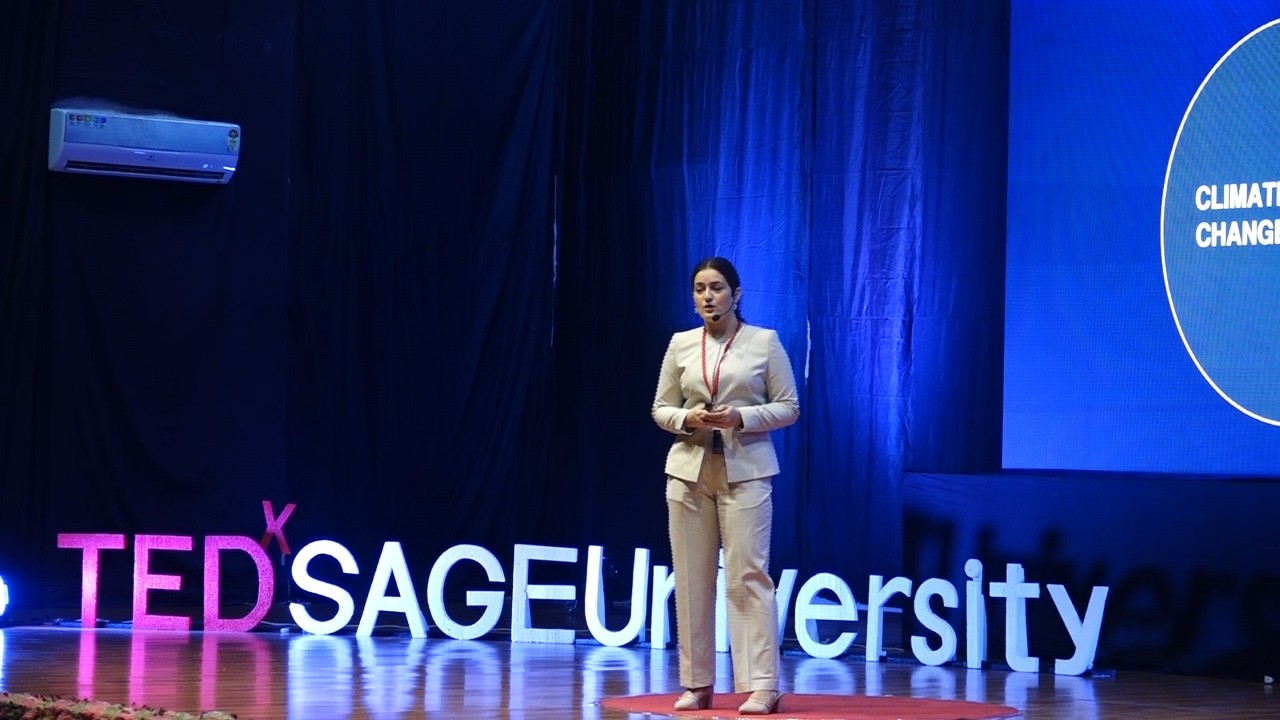


Climate Change and Healthcare Accessibility
- Climate change is often associated with distant, tragic imagery, such as a polar bear on melting ice, but its health impacts are immediate and manifest through unpredictable rainfall, extreme heat, and restricted access to medical care. 0s
- A personal experience in Himachal Pradesh highlighted how severe weather events, such as heavy rainfall, landslides, and snowfall, can create physical barriers that prevent individuals from reaching hospitals during medical emergencies. 1m5s
- While it is not possible to definitively attribute a specific weather event or a single cause of death to climate change, the incident demonstrated that financial accessibility is not the only barrier to healthcare, as physical infrastructure and policy can be rendered ineffective by environmental conditions. 2m15s
Psychological Impacts of Climate Change
- Witnessing recurring environmental disasters, such as landslides and the destruction of homes, can lead to a persistent sense of anxiety regarding the safety of one's own home and loved ones. 3m5s
- Climate anxiety is defined as the fear or worry regarding the future impact of climate change on homes and families, while ecological grief refers to the sadness experienced over what has already been lost. 3m35s
- A 2021 Lancet study of approximately 10,000 young people across 10 countries, including India, found that 59% of respondents were extremely worried about climate change, with 45% reporting that this worry impacted their daily lives. 3m55s
- Climate change influences human psychology, affecting how individuals think, feel, and perceive their future. 4m15s
Environmental Data and Trends
- Data from 1901 to 2018 shows that India’s average temperature has increased by 0.7°C, and in heat-wave-affected areas, the duration of heat waves has increased by 2.5 days over the last 30 years. 4m35s
- Between 1950 and 2015, average extreme daily rainfall in India increased by 75%, indicating that rainfall is becoming more unpredictable and concentrated in shorter durations. 5m5s
- The Hindu Kush Himalayan region, including Himachal Pradesh, has experienced a 1.5°C rise in average temperature between 1951 and 2014, alongside receding glaciers and decreasing annual snowfall. 5m25s
Public Health Risks of Climate Change
- Climate change and public health are interconnected issues rather than separate fields, as demonstrated by experiences in Himachal Pradesh 0s.
- Environmental events like landslides and floods create public health crises by blocking roads, which prevents ambulances from reaching patients and disrupts the supply of essential medicines and healthcare workers 25s.
- Heat waves pose direct health risks, including dehydration, heat stroke, and damage to the heart and kidneys 55s.
- Changes in temperature and rainfall patterns contribute to an increased prevalence of vector-borne diseases such as malaria and dengue 1m7s.
- The World Health Organization estimates that climate change will be responsible for approximately 250,000 deaths annually between 2030 and 2050 1m15s.
Community Knowledge and Disaster Preparedness
- Communities possess inherent knowledge, experience, and potential solutions for coping with climate change 1m35s.
- The Foundation of Living Knowledge (Folk) works with Himalayan communities to document traditional practices, including the use of medicinal plants known as jadi butis 1m45s.
- Documentation efforts also focus on how communities respond to climatic crises, identifying the difficulties faced, areas that become isolated, and the local resources available for support 2m15s.
- Training initiatives for community members cover disaster risk management, first aid, CPR, and the risks associated with local climatic changes 2m35s.
Individual and Collective Climate Action
- Collective community action provides the power and courage necessary to face difficult situations, and individuals do not need to be experts to contribute to climate change efforts 2m50s.
- The "art of noticing" is a foundational step for change, involving observation of personal habits regarding electricity, water, travel, and food consumption 3m10s.
- Preparation for climate events involves tracking warning signs, such as potential landslides or heat waves, and keeping essential items like water, medicine, and important documents ready 3m30s.
- During crises, priority should be given to assisting vulnerable populations, including children, the critically ill, and women 3m45s.
- Connecting with neighbors and local organizations strengthens communities and ensures the dissemination of accurate information during emergencies 3m55s.
Personal Responsibility and Global Accountability
- Individual participation in climate action can include using public transport, cycling, walking, and practicing the rational use of electricity and water 4m15s.
- Essential actions for individuals include preserving trees, protecting natural resources, and supporting organizations dedicated to addressing climate change and public health 0s.
- While individual efforts are insufficient to solve the global problem of climate change, governments, large organizations, and industries hold a more significant responsibility 7s.
- Although no single person can address every aspect of the climate crisis, every individual has the capacity to contribute something meaningful 13s.
Restoring the Concept of Home and Hope
- Home is defined not merely as a geographic location, but as a space characterized by feelings of safety, care, and connection 17s.
- Personal experience with climate change highlights the fragility and transitory nature of the sense of home 24s.
- Community engagement demonstrates that hope remains a more powerful force than fear 29s.
- While it is not possible to prevent every climatic event, individuals have control over their level of preparation, the care they provide to others, and the strength of their social connections during crises 33s.
- Collective action is necessary to restore the feeling of home 43s.