
Core Workflow System Overview
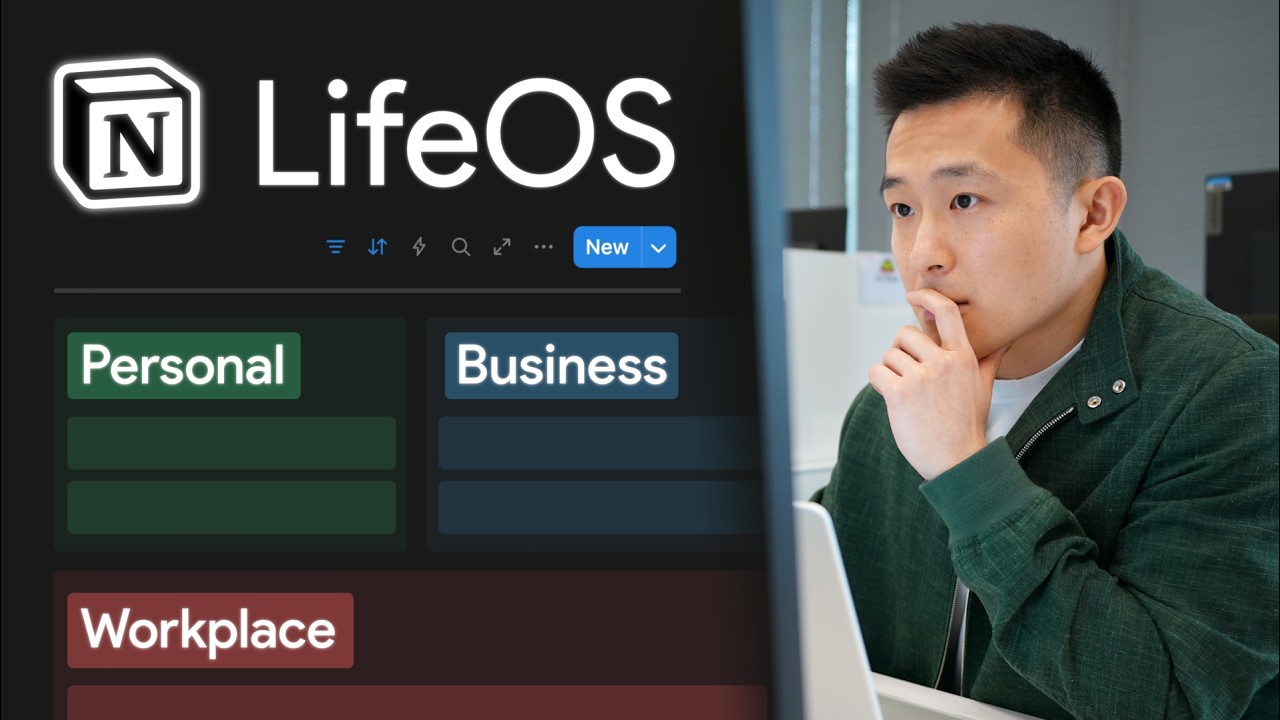
- A core workflow system was developed and taught to over 6,600 Googlers over nine years, integrating productivity frameworks from sources such as Getting Things Done, Make Time, and Building a Second Brain into a corporate environment 0s.
- The system is designed to manage four specific types of workplace information—tasks, ideas, notes, and media—to ensure that no information is lost 35s.
- While the system uses Google tools as examples, it is platform-agnostic and can be implemented using various software, including Notion, Todoist, Apple Notes, or Microsoft products 55s.
- The workflow consists of four steps: capture, organize, review, and engage 1m15s.
Execution of Workflow Steps
- The "capture" step involves immediately recording information, such as a task, into a digital tool to offload it from the brain 1m35s.
- The "organize" step involves assigning attributes like due dates to tasks to prevent them from being forgotten 2m5s.
- The "review" step involves checking task lists and transforming tasks into concrete commitments, such as blocking time on a calendar 2m20s.
- The "engage" step is the execution phase where the actual work is performed during the time previously blocked on the calendar 2m40s.
Psychological Benefits of Systems
- Productivity is framed not as a reliance on willpower or motivation, but as a reliance on systems that function even when an individual is tired or unmotivated 3m15s.
- Adopting a new routine involves short-term discomfort, but this is presented as preferable to the ongoing stress and disappointment caused by a lack of progress on important goals 3m35s.
- Implementing a workflow system is described as a way to redirect mental energy into a reliable structure rather than creating unnecessary extra work 3m50s.
Detailed Workflow Methodology
- The core workflow for managing information consists of four steps: capture, organize, review, and engage. 5s
- The capture phase involves offloading ideas from the brain to an external platform, such as an app or notebook, as quickly as possible to avoid relying on memory. 12s
- Google Keep is recommended for the capture phase because it is designed for quick input rather than long-term storage. 35s
- The organize phase requires a lightweight system to sort information for later processing, such as using labels to categorize items in an inbox. 45s
- Information originating from oneself is categorized as "thoughts," while information from external sources like meetings or videos is categorized as "notes." 1m0s
Review and Processing Procedures
- The review phase involves regularly processing information inboxes to ensure captured data is not forgotten. 1m12s
- Review sessions should be scheduled and protected like formal meetings to avoid relying on willpower alone; three 30-minute blocks per day are suggested. 1m20s
- During the review process, captured items should be acted upon, such as blocking time on a calendar, adding topics to meeting agendas, or moving information to long-term storage tools like Google Docs. 1m35s
- Once an item is processed, the original note should be archived to clear the inbox. 1m55s
Execution and Tool Integration
- The engage phase focuses on the execution of the work, such as finalizing preparation for a task or meeting. 2m5s
- The specific tools or platforms used are secondary to the workflow, which remains effective regardless of whether one uses apps like Todoist, TickTick, Apple Notes, Obsidian, or Notion. 2m30s
- Adopting this system typically becomes second nature after two weeks of consistent practice. 2m22s
- For users of Google Workspace, specific applications like Gmail, Calendar, Drive, Tasks, Keep, Docs, Sheets, and Slides can be integrated into this workflow. 2m45s