

Misconceptions About Teenagers and Their Mental Health
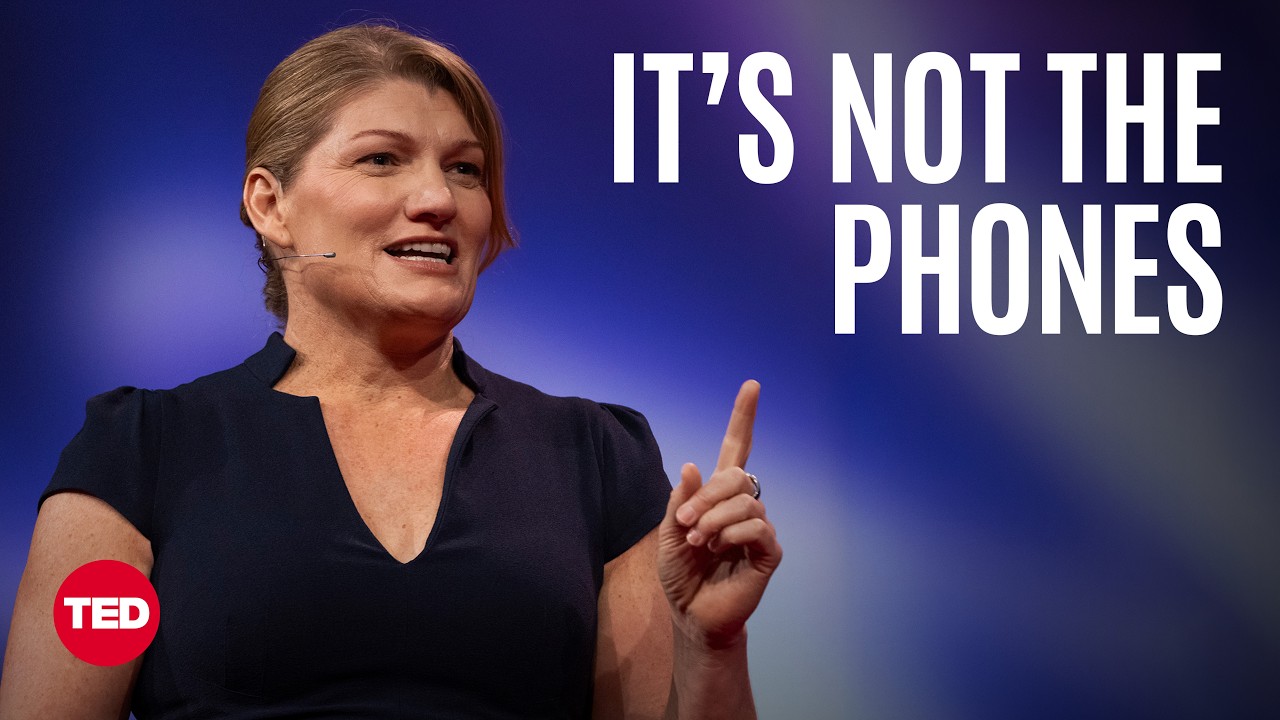
- Teenagers today are often misunderstood by adults, who may view them as lost or worse off due to the influence of smartphones and social media, but this perception does not match the data or what teenagers themselves report 10s.
- A developmental psychologist has been analyzing trends in teen mental health for 25 years, and since 2008, has been working with thousands of 10 to 14-year-olds to gather data on their feelings, activities, and online behavior with their consent 2m6s.
- The data collected from teenagers shows a massive gap between the negative stories often told about them and their actual experiences, which can be attributed to the fact that scary stories sell and are easily believed by anxious parents 4m30s.
- Despite the negative narratives, teenagers today have made remarkable progress on important metrics, such as decreased rates of teen violence, alcohol use, and pregnancy, and increased high school graduation rates 8m40s.
Teen Concerns and Mental Health Stressors
- However, teenagers are also reporting increased concerns about safety at school, climate change, racism, and their future, with conflict in their home and pressure to do well at school being the most frequently reported stressors that predict their mental health 10m50s.
- The mental health of caregivers, particularly parents, is a crucial factor in determining teen mental health, and investing in adult mental health is essential to supporting teenagers 12m10s.
The Link Between Adult and Teen Mental Health
- There has been an uptick in youth suicide risk since 2008, but this trend is not surprising given the dramatic increase in adult suicide rates in the United States since 1999 14m40s.
- The rate of overdoses due to drug use among parents more than doubled between 2011 and 2021, indicating that adults were in distress and parents were dying, which is a significant predictor of child mental health 10s.
Social Media and Teen Mental Health: The Evidence
- Longitudinal studies have found that social media does not emerge as a major predictor of teen mental health, with many studies concluding that social media is one of the "least influential factors" in predicting teen mental health, and for most adolescents, there is no association between social media use and mental health problems 2m6s.
- Despite the lack of evidence, adults are considering banning social media for under-16s as a solution to the youth mental health crisis, but there is no study that has tested whether shutting off social media impacts mental health, and studies among adults have found impacts that are close to or indistinguishable from zero 2m6s.
- The National Academies of Sciences has convened an expert panel that came to the same conclusion, and it is important to note that while there are harms online, social media is not the major driver of teen mental health problems, and instead of cleaning up the online world, adults are punishing victims by kicking them out of online spaces 4m30s.
Proposed Solutions and the Role of Adults
- A social media ban might feel good for adults, but it is not going to work and will push teens into less safe and less regulated spaces, and instead, adults should invest in the adults around children, such as hiring counselors and teachers, and build welcoming and safe spaces for all teens to build the skills they need for the future 6m40s.
- Investing in children and the adults around them is crucial, and spending money on hiring counselors and building digital mental health services, such as the services designed by Stephen Schueller, can help provide the necessary support for young people who need it 8m50s.
- Building a healthy human requires investment in children and the adults around them, and adults should focus on providing support and services instead of just taking things away, and by doing so, they can help teens be well and thrive in a safe and welcoming environment 10m20s.
Supporting Teens Through Expectations and Investment
- Adults should not believe everything they hear about young people today, as this generation is resilient and succeeding despite the challenges they face, and they need high expectations and support to continue succeeding 10s.
- Setting high expectations and providing support is a combination that has always worked in teaching, coaching, and parenting, and it still works with teens today, regardless of the impact of technology 42s.
The Role of Big Tech and Policy Solutions
- Big tech companies should not be let off the hook, and instead, there is a need for more regulation, as well as funding for teachers, community building, and digital mental health services and literacy programs for young people 2m6s.
- To achieve these goals, a tax on tech companies can be implemented to pay for the necessary services and support, which is a viable option, especially from a Canadian perspective 2m6s.
- The primary focus should be on supporting young people, rather than just taking away their technology, as this approach will fail to address their real needs and will neglect the importance of community, education, and mental health services 2m6s.