
Introduction to Steve Jobs' Exile and Return
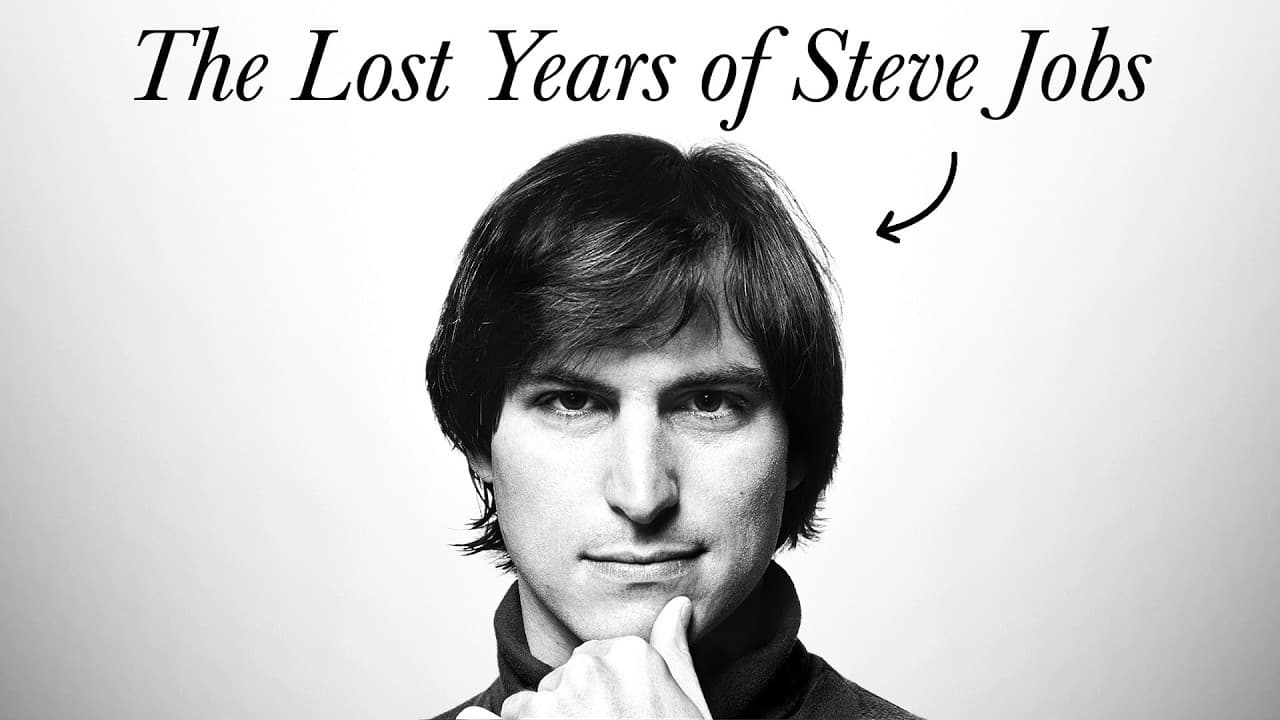
- Steve Jobs' 12-year period of exile from Apple, between being kicked out and returning to the company, is considered the defining point of his life, during which he made numerous mistakes and struggled financially, burning through his fortune 10s.
- The book "Steve Jobs in Exile: The Untold Story of Next and the Remaking of an American Visionary" by Jeffrey Kaine chronicles this period, highlighting Steve Jobs' refusal to quit and his ability to transform into a leader who would eventually deserve to run Apple 42s.
- Before his exile, Steve Jobs had spent every waking moment of his adult life building Apple, but after being stripped of his power and eventually kicked out in September 1985, he decided to disappear and step away from his old life to think and figure out his next move 2m6s.
- During his summer in Paris, Steve Jobs considered living a quiet life with his girlfriend, Tina, but he ultimately couldn't stay away from work and decided to build a computer for the university market, targeting academics, and poached his co-founders to start a new venture 4m30s.
- The story of Steve Jobs' exile and return to Apple is an inspiring one, with few parallels in history, as he was able to engineer a turnaround and refound the company, making him a unique example of a founder who was able to return to their company and achieve spectacular success 1m30s.
Early Exile and the Start of Next
- Steve Jobs' personal transformation during his exile was crucial to his ability to refound Apple, and his story is a testament to his determination and refusal to give up, even in the face of significant challenges and setbacks 3m15s.
- Steve Jobs' departure from Apple led to a lawsuit, with the company suing him, and at that time, he was not yet regarded as a genius in the industry, but rather someone with a poisoned reputation, which made it difficult for him to poach other great Apple engineers, 10s.
- Steve's first move was to hire a filmmaker named John Nathan to film Next's first team retreat, which eventually became a documentary on PBS called Entrepreneurs, introducing him to Ross Perot, who would become one of his major backers, 2m6s.
- In the documentary, Steve told his team that they had 18 months to build a new computer and operating system from scratch, and he repeated his mantra of "great artist ship," while also sharing his ideas on recruiting and building a team, 2m6s.
- Steve was inspired by George Lucas, but wanted to do the opposite of how Lucas built his company, by creating a permanent ensemble of brilliant people who would stay for the long term, rather than assembling a team, completing a project, and then dissolving it, 2m6s.
- Despite his vision of building a long-term team, Steve turned over every single one of his co-founders and almost every single executive at Next, but later built a team at Apple that stayed with him for over a decade, 2m6s.
Leadership Style and Company Culture at Next
- Steve demanded a certain temperament from his team members, respecting talented people who could fight and push back against him, and the culture at Next was intensely combative, with a focus on intellectual warfare, 2m6s.
- Steve became obsessed with the idea of creating a computer in the shape of a cube, believing that a computer's form could deliver emotional satisfaction alongside raw functionality, 2m6s.
- Steve Jobs hired a European design firm to design a perfect cube, but they presented a computer in the shape of a human head, which led to Steve firing the designers 10s.
- Steve then hired Hartmut, the founder of Frog Design, who believed that computers should feel human, intuitive, and sensual, with the mantra "form follows emotion" 1m42s.
- Steve also hired Paul Rand, a respected figure in American design, to create a logo for Next, with Paul charging a monumental sum of $100,000, which Steve agreed to pay 2m6s.
- Paul Rand was known for his iconic logos for companies like IBM, UPS, and ABC, and he believed that a logo should convey a company's essential values 2m6s.
Financial Mismanagement and Excessive Spending
- Steve's decision to pay $100,000 for the logo was an example of his excessive spending, which was a result of having too much personal money and investor funding, leading to a high burn rate for the company 3m30s.
- The $100,000 logo fee became a joke among the Next staff, with a new unit of financial measurement called the "Millie logo" being created, where one Millie logo was equivalent to $100 5m30s.
- Steve's actions and words did not match, as he spoke about the importance of cost control but continued to spend excessively on things like a New York ad agency, a top-tier public relations firm, and a full marketing staff 6m20s.
- Companies that control costs and increase revenue have a competitive advantage, with the median company running on Ramp cutting expenses by 5% and growing revenue by 16% 10s.
- Steve Jobs was known for his unpredictable and sometimes harsh feedback, which could be both praising and criticizing in a short amount of time, creating a "hero roller coaster" effect for those working with him 2m6s.
- According to the book "Creative Selection" by Ken Kosienda, Steve Jobs' behavior and approach to giving product feedback changed when he returned to Apple, and he became easier to understand, but during his time at Next, his volatility was a concern 4m6s.
- Paul Rand, the logo designer, called out Steve Jobs on his behavior, advising him to be nice to people because as the CEO, he was the product, and his behavior set the tone for the entire company 5m6s.
- Steve Jobs was criticized for his spending habits at Next, with $100,000 becoming the standard spending unit, and he later realized that his motivations for starting Next were misguided, driven by a desire for revenge against Apple rather than a focus on building great products 6m6s.
Motivations and Personal Reflections
- Steve Jobs' motivations and priorities at Next were reflected in his actions, including running ads in the Wall Street Journal taking shots at Apple, which was seen as a waste of time and resources, and it wasn't until later that he realized the importance of motivations and building great products 8m6s.
- About a year into his time at Next, Steve Jobs sat down for an interview, and it was during this period that he began to reflect on his motivations and the direction of the company 10m6s.
- Steve Jobs thought of himself as a person who builds neat things, rather than a businessman, and believed that having a single-minded tunnel vision was necessary to accomplish significant things, especially for a creative person 10s.
- He had a unique idea of building a Next manufacturing facility in Fremont, California, to have tighter control over the manufacturing process and to create an elaborate buying experience for customers, similar to Ferrari, but this idea was not practical for computer sales 2m6s.
Investment and Strategic Moves
- Despite the company's cash reserves dwindling rapidly, Steve Jobs got a lucky break when Ross Perot, who had seen a documentary about entrepreneurs, left him a voicemail offering to invest in Next, leading to a deal where Perot would invest $20 million for a 16% stake in the company 42s.
- As part of the deal, Steve Jobs had to invest an additional $5 million of his own money, and Perot also made a secret deal to mobilize his government networks and salesforce to sell the Next computer, which would not be publicly disclosed 42s.
- Steve Jobs' perfectionism and micromanaging style caused the company to bleed tens of millions of dollars, as he was unable to stop perfecting the product and would not allow anyone else to make decisions, leading to delays and increased costs 2m6s.
- The pursuit of perfection devoured the timeline, and every revision and debate over components pushed deadlines further back and drove costs higher, while competitors were able to catch up with the technology, making it less novel 2m6s.
- Steve Jobs' ability to execute was a major issue, and he would often shift the blame to others and fire them, creating a cycle of churn through people at NeXT, with the company's VP of manufacturing, Linda Wilin, being a notable example who was fired due to Steve's frustration with the factory schedule slipping 10s.
Challenges in Product Development
- The development of the NeXT computer was plagued by delays, with Steve's perfectionism about the chip's appearance being a major factor, and engineers would often lie about the timeline to avoid his frustration, telling him it would take one more month to finish the design 42s.
- Steve created a "deep list" of existential threats to the company, which he would use to motivate engineers, including Big Dave and Little Dave, to solve problems, but this approach ultimately backfired when they announced they had solved the issues and were given bonuses, only to leave the company 2m6s.
- The final chip design that was shipped to Japan did not work, resulting in a delayed release schedule and no revenue for the company, with the release schedule being pushed back a full year 2m6s.
- As time went on, Steve's "deep list" became more like a personal wish list, with him adding features, increasing costs, and making last-minute demands, which was advised against by an advisory council that included academics who warned that the computer's price should not exceed $3,000 4m30s.
- Despite the company burning through $1 million a month, Steve made bizarre decisions, such as focusing on the company's logo and distributing an 18-page brochure about it, rather than showing a prototype or discussing the product's price 6m15s.
- However, Steve was able to secure a deal with IBM to license NeXT's operating system, with IBM agreeing to pay $30 million on signing the contract, another $30 million on shipping, and royalties on every copy shipped, which was a significant investment in the company 8m40s.
Financial Struggles and Operational Issues
- Nex's financial situation was precarious, with $25 million in the bank but requiring $27.5 million to survive the year, and the team struggled to get a single computer to boot up properly, with a goal to sell 16,000 machines by year's end, which seemed unattainable 10s.
- Steve Jobs decided to outfit Common Spaces with expensive furniture, including $2,000 chairs and $10,000 sofas, and high-quality phones priced at $450 each, despite the company's financial struggles, in 1988 42s.
- One of the co-founders, Daniel Leuen, wrote a memo to Steve Jobs, warning that the company was over a year late, the competition had progressed more than expected, the product was twice as expensive as imagined, and the computer was still not working, urging Steve to reset expectations 2m6s.
- Steve Jobs eventually realized the severity of the situation after spending time with the computer on his desk, which took several minutes to boot and crashed every hour or two, and he began to understand the concerns that Daniel Leuen had been raising for months 2m6s.
- The sales team had a term for Steve's tendency to push for more, called "go north," which referred to his relentless drive to move forward, even when it seemed unrealistic, and this approach was starting to worry the team and investors 4m0s.
- Ross Perot, the company's largest investor, was losing patience with Steve Jobs and the company's lack of progress, and he began to ask tough questions about the company's strategy and ability to ship products, which worried the team 6m0s.
- The company finally started manufacturing computers, but the price came in much higher than expected, at $10,500 or $12,500, which was more than the average year of tuition at a private university, and by the end of the year, Next had only shipped 205 computers 8m0s.
- Steve Jobs' perfectionism and design changes added complexity to the manufacturing process, making it nearly impossible to run the factory efficiently, and the company struggled to meet even rock-bottom production targets, with problems such as microscopic air bubbles in the magnesium casing 10m0s.
- Next was experiencing significant issues with its products, including a high return rate due to defective parts, and the company lacked a system for tracking the reasons for these returns, leading to a predicted depletion of funds in three months 10s.
Team Dynamics and Leadership Challenges
- Despite these challenges, Steve Jobs was focused on other aspects of the business, and at one point, he appeared in an executive's office, expressing concern that they were selling everything they could make, although the company was only producing eight computers per day 42s.
- Steve Jobs believed in the importance of building a team with high-performing individuals, quoting that "a small team of A players can run circles around a giant team of C and B players," which is a principle applied by companies like Apploving 2m6s.
- Apploving's advertising platform, Axon, connects businesses with over a billion potential customers, offering full-screen video ads with high retention rates, and allows for quick launch and scaling without complex setup 2m6s.
- Another tool, Vanta, helps companies prove their security to customers, automating compliance, monitoring controls, and providing a single source of truth for compliance and risk, with the average customer reporting a 526% return on investment 2m6s.
- Steve Jobs demonstrated his deal-making ability by convincing Canon to invest $100 million in Next in exchange for a 16.67% stake in the company, with Canon also receiving a board seat 2m6s.
- The company faced underlying problems, including a lack of truthful feedback to Steve Jobs, and the absence of key roles such as a COO and HR manager, leading to the hiring of an HR manager, Phil, who met with the executive team to discuss company culture issues and frustrations with Steve 2m6s.
- Steve Jobs walked into a room where his team had been discussing their grievances about him, but when given the opportunity to share their thoughts, they all remained silent, with Phil attempting to break the ice by asking each team member to speak up, but no one did 10s.
- The team's harsh feedback had been conveyed to Steve through Phil, which took him aback, and Daniel Leuen was the one who fought back against Steve's decisions, including the plan to sell 25,000 computers despite the operating system not being finished 42s.
- Steve decided to fire Daniel from his role as head of marketing after Daniel refused to place an order for 25,000 computers, and later stripped him of his role as the company's primary spokesman after Daniel had to explain his demotion to the press as a promotion 2m6s.
Marketing and Public Relations Missteps
- The company, Next, was in deep trouble, and they continued to make mistakes, such as running an ad in the Wall Street Journal for a life-sized brochure shaped like the cube, which turned into a blunder due to the brochure not fitting into standard envelopes and requiring custom envelopes and postage 4m30s.
- By 1990, the company felt they had to scrap the cube and start over with a more advanced machine, with options to lose $54 million, retreat and retrench, or sell the company, as every operating assumption they had made had been proven wrong 6m15s.
- Steve announced a new IBM deal that would give the company $30 million, but the deal fell through after Steve failed to show up to a presentation in Dallas, which was perceived as a lack of commitment to the relationship, and he later learned a lesson from this experience about not overplaying his hand 8m45s.
- The collapse of the IBM deal was a significant blow to the company, and Steve's actions were seen as reckless, especially given the company's financial situation, with a projected loss of $54 million for the year 10m50s.
Investor Relations and Strategic Decisions
- Steve Jobs decided not to sign a deal with the government, which could have unlocked hundreds of millions of dollars in government contracts, after months of negotiations, and this decision led to Pat Her, the CEO of Perot Systems, leaving without a deal 10s.
- Ross Perot, who had invested in Next, called to speak to Steve Jobs but was told he was unavailable, and instead spoke to Daniel, expressing his concern about not being able to talk to Steve and questioning why he couldn't, given his connections with high-level officials 42s.
- Ross Perot had studied Next's fundamentals and was concerned about the company's financial situation, including burning $39 million while planning to lose only $3 million, and employing 69 manufacturing staff despite barely shipping any products 2m6s.
- Steve Jobs had forecasted sales of 11,000 computers for the year, which Ross Perot considered unrealistic, and Ross realized his mistake was giving Steve too much money, leading to unnecessary spending on items like floating staircases and $10,000 chairs 2m6s.
- In the summer of 1991, Steve Jobs invited Andy Grove, co-founder of Intel, to a Next off-site retreat, where Andy asked the senior leadership team what business they were in, and they were unable to provide a clear answer, revealing a lack of direction and clarity within the company 4m10s.
- Next's leadership was using an accounting trick called channel stuffing, where they counted machines given to distributors as sales, even though no money had changed hands and no actual customers had purchased them, which made the company appear successful on paper but hid the reality of poor sales 6m0s.
- When distributors failed to sell the machines, Next was owed over $10 million, and the company was on the precipice of bankruptcy, having burned through a $100 million cash injection from Canon, and Steve had alienated Ross Perot and IBM, making it difficult to raise more money 8m0s.
Pivot to Software and Strategic Shifts
- Canon agreed to give Next another $40 million in loans, but Steve continued to cycle through manufacturing leaders, blaming them for his decisions, and the company's leaders began to consider abandoning high-cost hardware in favor of selling high-margin software 10m0s.
- Steve Jobs was not initially on board with the plan to pivot Next to a software company, as he was attached to hardware, but he eventually acknowledged the potential of their operating system, NextStep, which allowed corporate America to build custom apps five to ten times faster than other operating systems 10s.
- Next developed a great operating system despite the chaos and dysfunction, and Steve Jobs learned to transform failure into fuel, but he struggled to accept that the company needed to stop selling hardware and focus on software 42s.
- Steve Jobs tried to recruit a chief operating officer, referred to as PVC, who eventually tried to sell Next behind Steve's back, and it took a significant financial crisis for Steve to accept that the company needed to change its approach 2m6s.
- The financial situation at Next became so dire that Steve Jobs had to call Canon for more funding, and in exchange for $20 million, Canon would purchase Next's hardware division, allowing the company to survive and focus on its software operation 2m6s.
- This failure marked a turning point for Steve Jobs, as he was forced to relinquish his love of building hardware, and those around him noticed a change in his behavior and attitude, with his emotional swings becoming less extreme and his ability to cope with betrayal improving 2m6s.
- The media reported on Steve Jobs' failure, with some questioning whether he was a visionary or a snake oil salesman, but Steve took the lesson to heart and learned to adapt to changing circumstances, ultimately leading to success when Next focused on its software strengths 2m6s.
Media Perception and Company Turnaround
- As Next pivoted to enterprise software, Steve Jobs' attention wandered, and he began stepping away from the company, allowing others to manage it, which was a major shift for him, a known micro-manager 10s.
- The company achieved its first profit of $1 million on revenues of almost $50 million after 9 years of losses, and this was partly due to the advice of Larry Ellison, who had joined Next's board the previous year 42s.
- Larry Ellison advised Next to start a professional services group to ensure the success rate of their projects was 100%, which led to the establishment of an internal group to consult on company projects, providing valuable insights and ideas for new products 1m6s.
- Next developed a technology called Web Objects, which was a revolutionary idea in 1995, as it allowed for the creation of dynamic web pages without the need for hand-coding, making it possible to build the online future 2m6s.
Innovation and Web Objects
- Steve Jobs announced that the internet would be the most important technology transformation of the next 15 or 20 years and that Next would focus on Web Objects, following Larry Ellison's playbook by deploying teams of consultants to work with clients 3m6s.
- This approach generated much higher revenue per customer and deeper client relationships, with big customers lining up for meetings, including Michael Dell, who wanted to build a website to allow customers to configure their PCs online 4m6s.
- Next was able to deliver the website in one week, whereas IBM had quoted a 2-year timeline, and within a year, Dell's Web Objects-powered online sales exploded, growing to $3 million a day 5m6s.
- Ed Catmull, the co-founder of Pixar, worked with Steve Jobs for 24 straight years and had developed a unique approach to working with him, avoiding explosive confrontations by understanding how Steve's mind worked and providing him with facts to base his decisions on 6m6s.
Leadership Evolution and Personal Growth
- Ed had a disagreement with Steve Jobs that lasted for three months, but instead of escalating the situation, Ed would present his case and wait, eventually leading Steve to admit he was wrong, demonstrating a transformation in Steve's personality and leadership style 10s.
- By November 1995, Steve had become a humbled leader who people wanted to follow long-term, and he made statements such as "If you don't treat talented workers right, they can go get another job in 10 minutes," showing a significant change in his approach to leadership 2m6s.
- At the same time, Apple was struggling financially and was considering buying another operating system, with CEO Gil Amelio realizing they needed to make a change, and Apple's product lineup was described as a "mess of middling products" with names like Cyberdog and HyperCard 4m30s.
Apple's Crisis and the Acquisition of Next
- A product manager at Next, Garrett Rice, read that Apple was planning to spend millions on an operating system called Be, and he suggested that Apple should consider buying Next's technology instead, leading him to call Ellen, the CTO of Apple, and pitch her on the idea 6m20s.
- Garrett's call led to Steve Jobs being invited to meet with Gil Amelio to make his case for why Apple should acquire Next, and Steve presented a new strategy built around Next's innovative features, demonstrating a more pragmatic and precise approach to leadership 8m40s.
- During the meeting, Steve allowed Avie Tevanian, the head of software engineering at Next, to handle the technical demo, showing that he was willing to let others take the lead and showcase their expertise 10m50s.
- At a time when most personal computers struggled to play a single video file smoothly, NextStep demonstrated its capability to handle multiple tasks, including productivity apps, games, QuickTime movies, and 3D models, all at the same time, which left a strong impression on the Apple team 10s.
- Steve Jobs acknowledged the concerns of Apple engineers, suggesting that they were solvable engineering problems that accompany all technological advances, and he was able to demonstrate his product superiority through working code 10s.
- The founder of another company, referred to as the founder of B, took a different approach by not bringing a laptop or preparing a presentation, and instead relied on entitled assumptions, which was in contrast to Steve's demonstration of his product 42s.
- Steve invited Gil to his home to start negotiations to purchase Next, and he opened with an offer of $12 a share, which would have made the total acquisition price $500 million, but Gil countered with a possible $10 per share 2m6s.
- The negotiation between Steve and Gil was speedy and unconventional, taking place in a kitchen rather than a corporate boardroom, and the whole pricing discussion took only 5 minutes 2m6s.
- Despite warnings from his allies that Steve's return might mean the end of his own leadership, Gil didn't understand the extent of Steve's abilities and thought he could harness his power, but others believed that Steve would ultimately take control 2m6s.