

The Impact of Future-Oriented Expectations
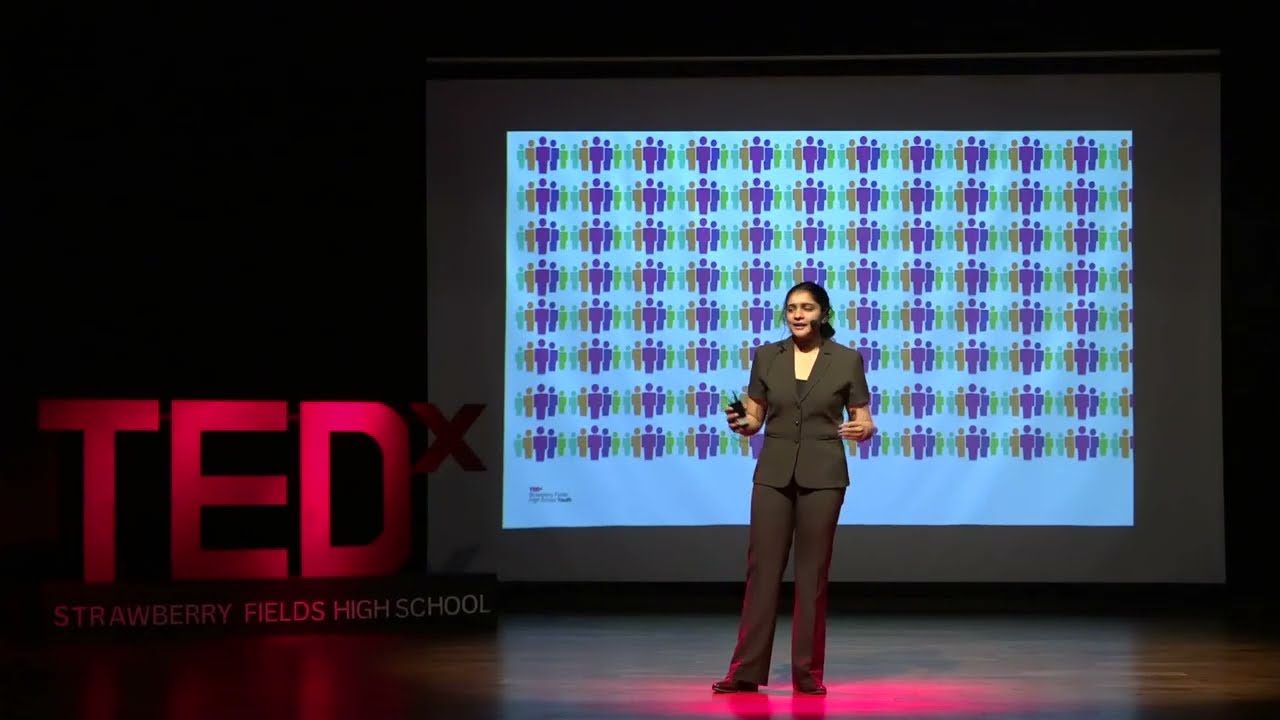
- A teacher once told Sumayah Mittal that she would "go far," a sentiment that was later echoed in various forms such as "you're going to change the world" or "you're going to do amazing things" 0s.
- The word "going" became a point of fixation, leading to the realization that societal conversations about youth frequently focus on future potential rather than current capabilities 1m5s.
The Pygmalion Effect and Teacher Influence
- The 1968 "Pygmalion in the classroom" study demonstrated the impact of teacher expectations on student performance 1m45s.
- In the study, teachers were falsely told that certain students (Group A) were "intellectual bloomers" expected to experience a growth spurt, while others (Group B) were not 1m25s.
- Despite the students being chosen at random and the IQ test results being fabricated, Group A students gained an average of 27.4 IQ points over the year, compared to 12 points for Group B 1m55s.
- The study suggests that teachers provided more encouragement, attention, and challenges to the students they believed were smarter, which ultimately led those students to achieve more 2m25s.
Societal Conditioning and Delayed Action
- Expectations shape outcomes, and the teacher's compliment, while well-intentioned, carried an implicit expectation that Mittal's greatest achievements were reserved for the future 2m55s.
- When this mindset is applied to an entire generation, it creates a culture where young people are conditioned to wait for the future to pursue their goals 3m15s.
- This pattern of waiting manifested in personal experiences, such as delaying the creation of a psychology toolkit despite having the necessary resources, design, and professional contacts, because of the belief that a degree was required first 3m35s.
- A personal project, described as a toolkit, remained unfinished in a notes app because of a self-imposed belief that more knowledge, degrees, or experience were required before starting 0s.
- Fear often manifests as a sense of needing more preparedness, leading to the internal justification of "not yet" rather than an outright refusal to act 18s.
Challenging the Myth of Youthful Inexperience
- Upon turning 18, it became evident that many young people are already achieving significant milestones, such as 14-year-olds running nonprofits for 80,000 people, 15-year-olds publishing research, 16-year-olds building apps with a million users, and 17-year-olds securing funding for startups 33s.
- Witnessing these achievements initially caused feelings of annoyance and sadness rather than inspiration, as these peers were not adhering to a pre-conceived timeline 55s.
- The tendency for young people to delay action is a collective, societal issue rather than an individual one, resulting in lost ideas, unbuilt innovations, and missed opportunities 1m7s.
- Society often reacts with admiration when a 12-year-old pursues a goal, offering encouragement and celebration without demanding resumes or qualifications, yet individuals often fail to extend that same generosity to themselves 1m35s.
Overcoming the Habit of Waiting
- A shift in mindset involves catching oneself when using phrases like "I'm going to, but not now" or "I could, but not yet" 2m6s.
- By choosing to reach out to founders and creators despite lacking a degree or experience, it was discovered that the opportunities remained the same, but the willingness to ask and the relationship with the concept of "not yet" had changed 2m26s.
- Out of eight founders contacted, six replied, three provided real opportunities, and one resulted in a lasting connection 2m35s.
- The focus should shift from asking why youth are not stepping up to questioning why societal encouragement often inadvertently teaches young people to wait 2m50s.
- Young people are encouraged to recognize that they are allowed to try now rather than later, and to replace the habit of waiting with the question, "Why not now?" 3m2s.