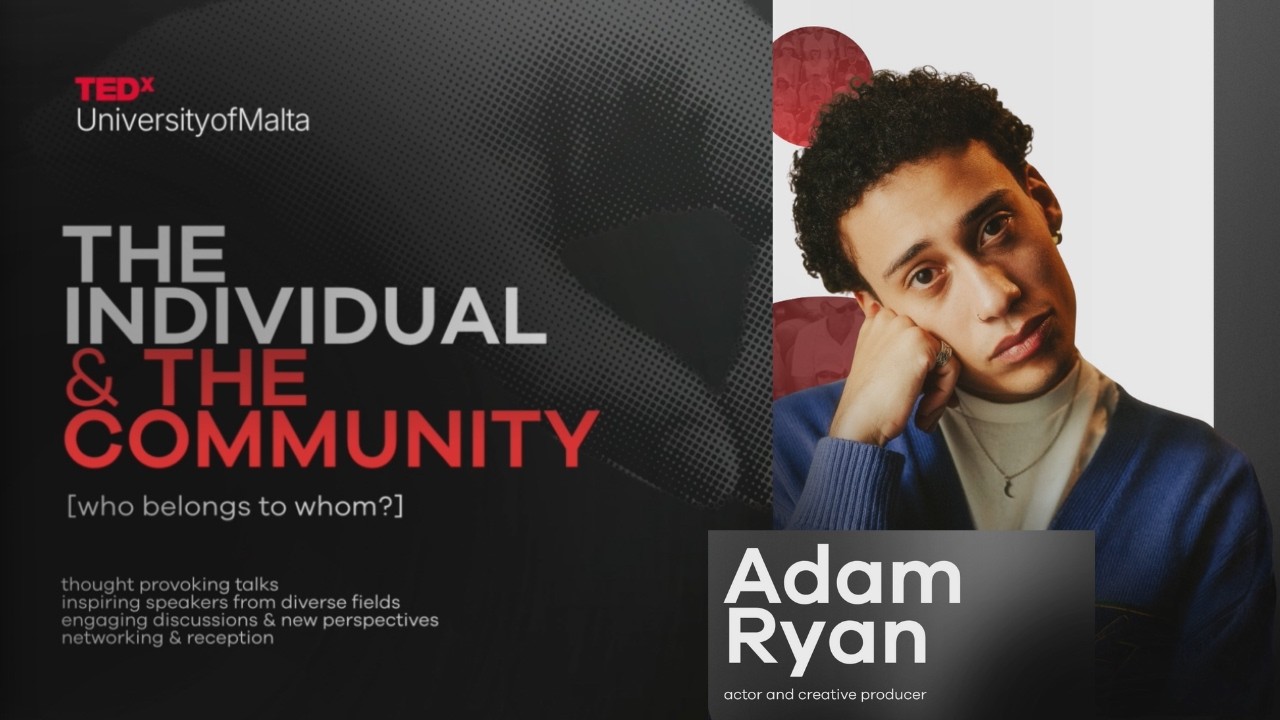


Defining Culture and Creativity
- Creativity and the arts are not rare abilities reserved for professionals, but are tools used by everyone on a daily basis to shape the world. 0s
- A personal memory from the summer of 2009 involves a seven-year-old boy and his father stuck in traffic in a car without air conditioning, sharing a moment of laughter while listening to the song "Loving Each Day" by Ronan Keating. 42s
- The term "culture" is derived from the Latin word "colere," meaning to cultivate, which originally referred to land but evolved to encompass the cultivation of people, ideas, and ways of living. 2m6s
- Culture is defined as everything that people grow together, rather than being limited to traditions, theater, or art. 2m6s
Personal Narratives and Mental Health
- The initial story about the car ride was incomplete, as the father had moved to the United Kingdom a few months prior to that event. 2m45s
- The memory of the car ride represents a connection that the narrator spent the following 15 years wishing to replicate. 2m45s
- The narrator began attending therapy at age 11 to cope with the loss of a close relationship with his father, who was largely absent due to living in the United Kingdom. 2m45s
- Creative work often focuses on themes such as comedy, mental health—particularly regarding men—and subjects that are typically difficult to discuss openly. 3m25s
- Humor is frequently used as a mechanism to facilitate difficult conversations, acting as a "spoonful of sugar" that makes addressing personal problems easier. 3m25s
- Observing others in therapy, such as a 40-year-old man, highlights the shift in societal norms where men are increasingly willing to seek help despite traditional expectations that they should not discuss their struggles. 3m25s
The Stages and Impact of Storytelling
- The purpose of storytelling and art is to allow audiences to connect with universal feelings, such as longing, nostalgia, warmth, and the relief of feeling comfortable with another person. 4m5s
- The process of storytelling and its impact on society can be categorized into three stages: personal, shared, and societal 5s.
- A personal experience, such as a lighthearted moment between a father and son, serves as the starting point for a narrative 15s.
- When a personal memory is transformed into art, such as a play or film, it becomes a gateway for an audience to relate to the experience, regardless of whether they share the exact same history 30s.
- On a societal level, the collective consumption of these stories reinforces cultural ideas, such as the value of humor and family connection, which can eventually shape societal expectations of relationships 1m5s.
Accessibility and Universality in Theater
- The musical Botchi demonstrated how theater can be made accessible by utilizing local cultural elements, such as the game of botchi, and performing in non-traditional spaces like local pitches 1m45s.
- The Maltese translation of Paula Vogel’s How I Learned to Drive illustrates that stories regarding complex human emotions like power, shame, and loss remain relevant across different time periods and cultures 2m15s.
- The repetition of classic stories, such as those by Shakespeare, occurs because the human emotions they explore are universal and the lessons within them are not yet fully exhausted 2m35s.
- While theater is often perceived as elitist or inaccessible, it can be defined broadly as any space where an audience, performers, and a story exist, including courtrooms, lecture halls, and football pitches 3m5s.
Art as a Societal Reflection and Reaction
- Art forms are not limited to traditional categories like film or painting but also include deeply ingrained cultural practices such as culinary arts, lace making, and local festivals 3m35s.
- Art functions not only as a reflection of society but also as a reaction to it 3m55s.
- Following World War II, Japan utilized manga as a medium to address collective trauma and censorship by disguising narratives about war, loss, and humanity through fantasy elements like robots and pirates 0s.
- Broadway musicals in America frequently follow a recurring narrative structure where an outsider reinvents themselves to become extraordinary, reflecting the American dream 25s.
- British cinema, including films like This Is England, Billy Elliot, and Trainspotting, focuses on themes of social class, identity, and lineage, which are long-standing concerns in British society 48s.
- Art serves as a reflection of a society's current struggles, pride, shame, and unspoken truths 1m6s.
- Authoritarian regimes, such as those in Nazi Germany and North Korea, have historically opposed art due to its significant influence 1m17s.
- Art functions as both a mirror that reveals identity and a tool that influences future development, impacting scales ranging from national processing of war to local community activities 1m23s.
- Art and theater possess the capacity to tell all types of stories, as the act of one person reflecting or influencing others can shape generations and cultures 1m36s.
The Universal Nature of Creative Expression
- Creativity is not an elite or rare ability, but rather the act of bringing something new into existence or perceiving things from a unique perspective 1m46s.
- Creative expression is not limited to formal theater but includes everyday actions such as having conversations, writing notes, or finding new ways to navigate daily life 2m1s.
- Every individual possesses unique experiences, opinions, and emotions that they are already cultivating, with the primary choice being whether or not to share those expressions 2m15s.
- Personal memories, even those that seem small or insignificant, contribute to the shared human experience that defines the purpose of art 2m27s.